
Reviewed · KIGALI TOURS
Kigali: Traditional Kubumba Pottery Making with Local Women
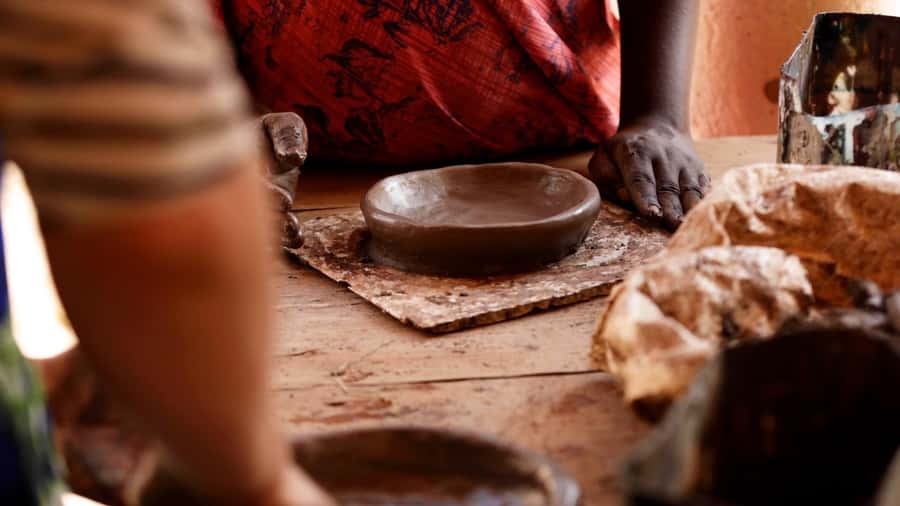
Kigali’s Kubumba pottery session puts wet clay in your hands and local women in the teacher’s seat. You learn by shaping, molding, and decorating a small piece rather than watching a demonstration from the sidelines. Mariam and Gloria are among the artisans connected with this experience, and their patient, friendly teaching has been a major strength.
I like the genuine hands-on work and the fact that your $30 supports local community initiatives through NuttinTODO and Go Rwanda Now. I also like the easy one-hour format, which fits neatly into a Kigali morning or afternoon. The main catch is practical: your pottery may need about three days to harden, so you might not be able to carry it away that day.
Key points at a glance
- You work with the clay yourself: Learn shaping, molding, and decoration instead of simply buying a finished pot.
- Local women lead the session: Mariam and Gloria are named among the artisans who guide visitors with patience and care.
- The finished piece may need time: Plan for as much as three days of drying before your souvenir is ready.
- Good for children: An 8-year-old twin pair enjoyed the activity with careful, age-appropriate help.
- A useful Kigali cultural stop: The one-hour session adds a local craft experience without taking up half your day.
- Community benefit is part of the price: Your booking supports NuttinTODO and related sustainable tourism work.
What Kubumba means in this Kigali workshop
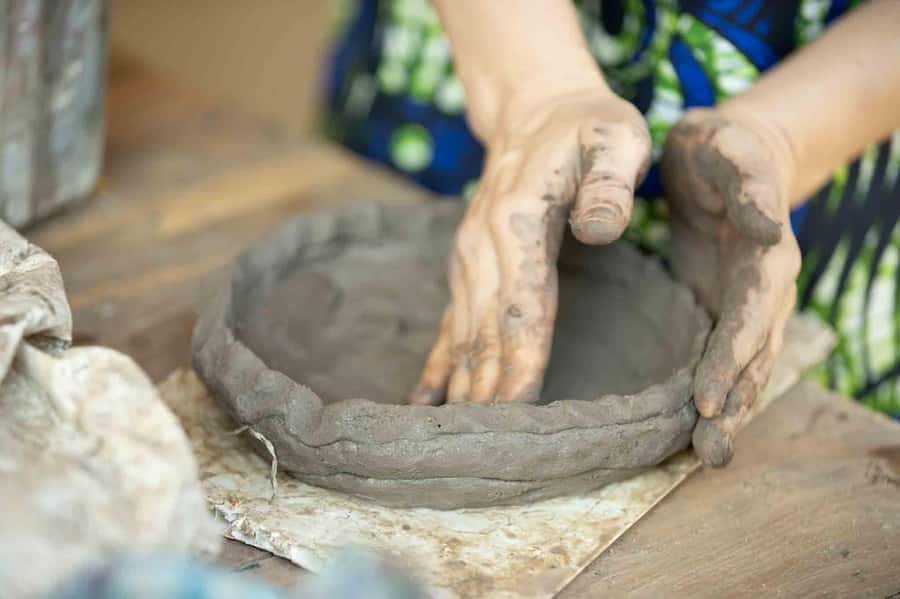
Kubumba refers to traditional pottery making, and this session gives you a short, practical introduction to the craft. You begin with context about the cultural importance of pottery in Rwanda, then move quickly to the clay itself.
That order matters. Without a little background, pottery can feel like a generic craft class. Here, the opening explanation helps you understand why the technique belongs to Rwandan culture and why handmade objects still matter as a form of local expression and income.
The experience is not presented as a long museum lecture. It is a compact activity built around making something. If you want a detailed academic history of Rwandan ceramics, this is not the right format. If you want a personal encounter with a living craft, the balance works well.
More cultural visits around Kigali:
- Kigali: Mount Kigali and Cultural Village Tour with Snacks
★ 4.8 · 62 reviews - Kigali: Traditional Coffee Experience ( Bean to Brew)
★ 4.8 · 54 reviews - Kigali: Traditional Basket Weaving in a Garden
★ 4.8 · 41 reviews
Shaping clay with Mariam and Gloria
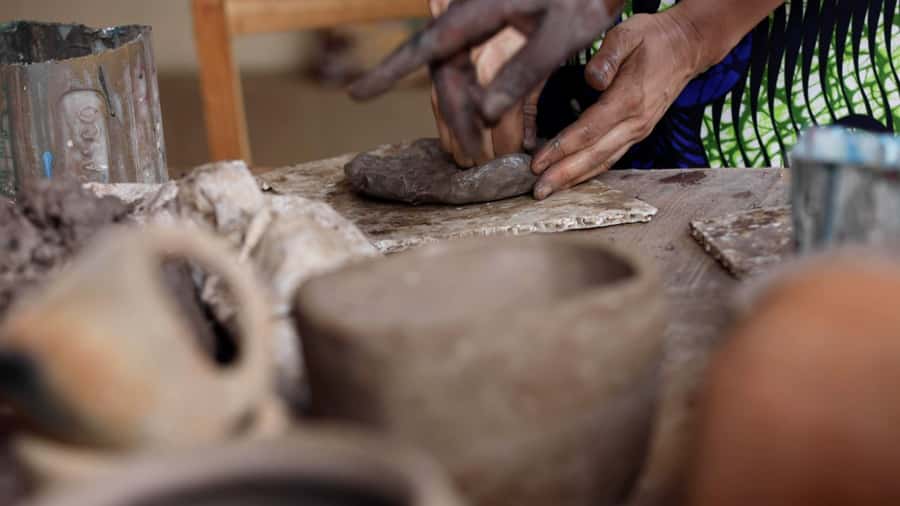
The heart of the session is the worktable. You handle the clay, learn how to form it, and receive help as you go. The process includes shaping, molding, and adding decoration, so you are not limited to copying a finished example.
That hands-on approach is the best reason to book. I would rather spend an hour making a slightly lopsided pot than spend the same hour hearing a polished explanation while keeping my hands clean. The imperfections are part of the souvenir’s charm, and the finished item carries a clearer memory of Kigali than a shop-bought object.
The teaching style appears to be particularly strong for beginners. Mariam is described as patient and kind, and one family found the guidance excellent for two 8-year-old girls. The children were allowed to work on their own pieces while still receiving enough help to make attractive keepsakes.
That is a useful sign for families. Children can take part without needing advanced art skills, while adults can still enjoy the session as a creative activity rather than a children-only workshop.
The named teachers also make the experience feel more personal. Instead of interacting with an anonymous studio, you meet local women whose own skill gives the class its character. Your time and money support their work directly through the wider community program.
A one-hour itinerary that keeps moving
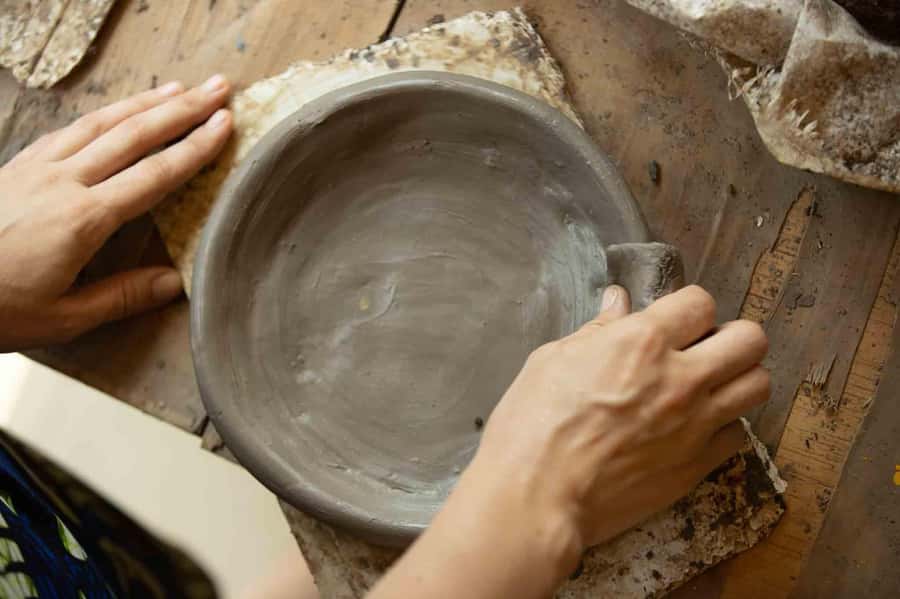
The listed duration is one hour. Expect the session to follow a simple pattern:
- A short introduction to Kubumba and its cultural role
- Instruction in handling and shaping the clay
- Time to form your own pottery piece
- Guidance with molding and decoration
- A finished piece to keep, subject to drying time
The hour is long enough to create something but short enough for a busy Kigali schedule. You can fit it between other activities without giving up an entire morning. At the same time, one hour leaves little room for a slow, detailed study of every stage of pottery production.
You should arrive ready to work rather than expecting a broad city tour. Transportation to and from the studio is not included, and no meal or refreshment is part of the standard activity information. You will need to arrange your own way there and back.
One important detail is the location described in a family account: the activity takes place at a pleasant coffee shop with paintings from several artists. A complimentary drink was included in that booking, with a value of up to 3,500 Rwandan francs. Since the general inclusions do not list refreshments, I would confirm the drink arrangement before booking if it matters to you.
The souvenir problem: drying takes time
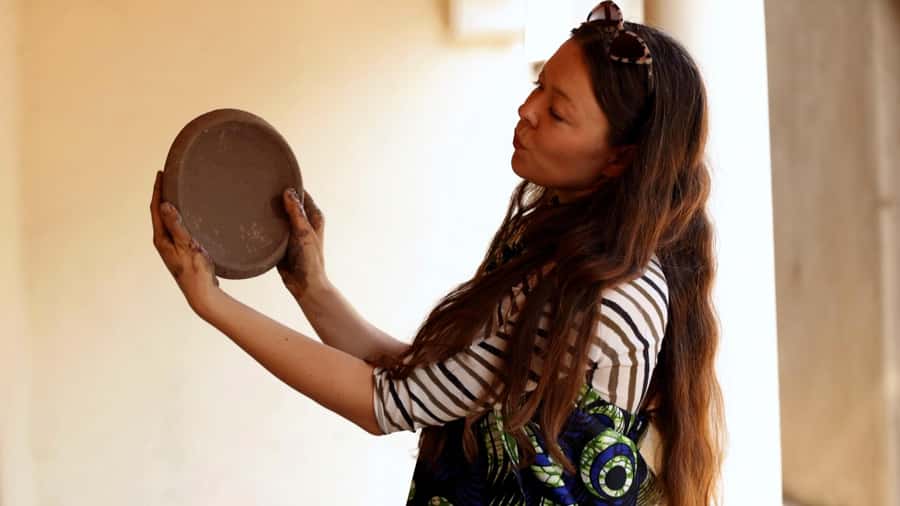
The pottery piece is included, but take home does not always mean carry it home immediately. One person had to leave Kigali before the piece had hardened, and another found that rainy-season drying took too long.
This is the biggest practical weakness of the activity. Fresh clay needs time to dry, and the waiting period may be around three days. If your schedule keeps you in Kigali for several days, that may be easy to manage. If you are leaving the city the same day, ask how the piece will be collected or delivered before you begin.
Rainy conditions can make the wait longer. That does not reduce the value of the lesson, but it changes what you receive at the end. You may leave with a handmade object still waiting to become a finished souvenir.
I would treat the piece as a bonus and the making as the main experience. That mindset prevents disappointment. If getting a finished pot into your luggage is essential, confirm the drying and pickup plan in advance.
A few more Kigali days to weigh up
- Kigali City Tour
★ 5.0 · 452 reviews - Kigali: Walking Tour with a Local Guide
★ 4.9 · 234 reviews - One-day Akagera National Park Game Drive with a Choice 4×4
★ 5.0 · 105 reviews - Private Full-day Kigali City Tour with Pickup and Lunch
★ 5.0 · 79 reviews
Why the $30 price can make sense
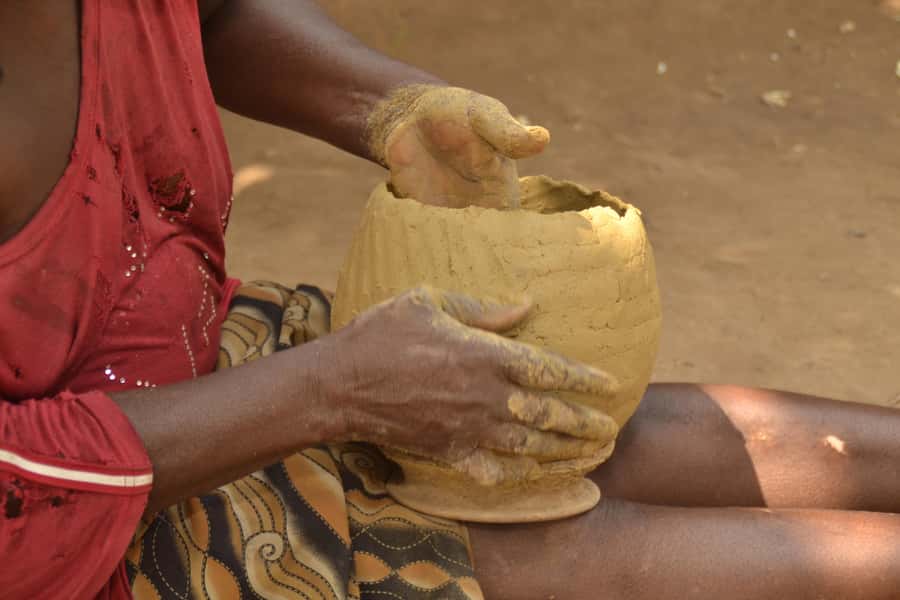
At $30 per person, this is not the cheapest way to spend an hour in Kigali. The value comes from more than the raw materials. Your fee covers instruction from local artisans, clay and other supplies, cultural explanation, and a personal piece made during the session.
There is also a community purpose. The activity is connected with NuttinTODO, and the information provided says participation contributes to community development through Go Rwanda Now. That gives the price an added reason beyond the pottery itself.
Still, value depends on what you want. If you mainly want a finished object, a local gallery or craft shop may be simpler and possibly less expensive. If you want to meet artisans, learn basic techniques, and make something yourself, the workshop offers more than a purchase.
The quality of the teaching matters greatly at this price. Strong guidance makes an hour feel full. Weak translation or limited attention would leave the session feeling thin. One account described a poor experience in which the translator spent much of the hour watching videos on a phone and gave little explanation. That appears to be an exception rather than the usual pattern, but it is a fair reminder to expect active instruction and ask questions if the teaching is too quiet.
Language, communication, and teaching style
Instruction is offered in English and Swahili. That makes the activity accessible to many international visitors, but the quality of communication still depends on the people leading your particular session.
Most of the positive accounts focus on kindness, patience, and practical help. Those qualities are especially valuable when you are learning a craft through your hands. A good teacher can show you how much pressure to use, where a piece is becoming too thin, and how to fix a shape before it collapses.
Do not be shy about asking for cultural context while you work. The activity is designed to include insight into Kubumba, but a one-hour session cannot cover every detail unless you take part in the conversation. Ask what the decoration means, how the technique is traditionally used, and how the local women learned the craft.
This is also an activity where the teacher’s attention changes the outcome. If you are working in a family group, explain that each person wants a chance to shape the clay. The strongest account from parents praised the way the instructor gave the children room to work while offering help at the right moments.
A pleasant setting with more than pottery
The coffee shop setting adds another layer to the hour. One family enjoyed its coffee, smoothies, and pastries, while also noticing paintings by several artists in the gallery area. This makes the pottery session feel connected to a wider creative community rather than isolated from local art.
Because refreshments are not consistently listed as included, do not book this as a meal stop. Think of the café as a possible bonus setting, not a guaranteed part of the price. If the drink allowance is available for your booking, it can make the stop feel better value, especially for families.
The setting may also help companions who are less interested in making pottery. However, the supplied information does not promise a separate program for nonparticipants, so everyone booking should expect the main focus to be clay work.
Who will enjoy this most
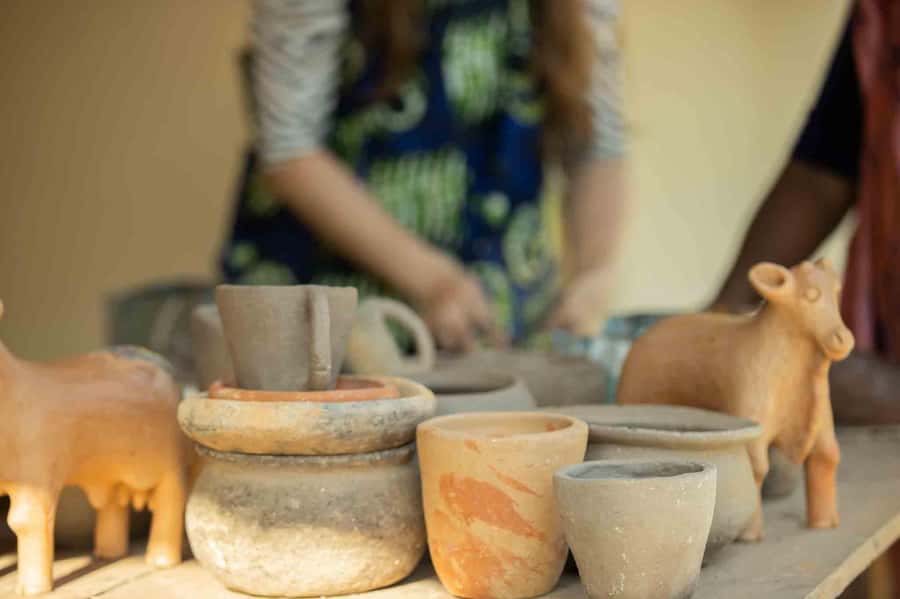
I would recommend Kubumba Delight to several types of visitors:
- First-time visitors to Kigali who want a direct cultural activity rather than another sightseeing stop
- Families with children who can benefit from patient, guided creative work
- Couples and friends looking for a shared souvenir-making activity
- Art lovers who enjoy meeting makers and seeing other local artwork
- Responsible tourists who want their spending to support local initiatives
- Short-stay visitors who need an experience that lasts only one hour
It is less suitable if you need a guaranteed finished pot immediately, want a long technical pottery course, or prefer a fully planned outing with transportation and refreshments included.
The activity also suits people who do not consider themselves artistic. You are not expected to produce gallery-quality ceramics. The point is to learn the basic process, enjoy the material, and leave with something that shows your own hand.
Practical planning before you book
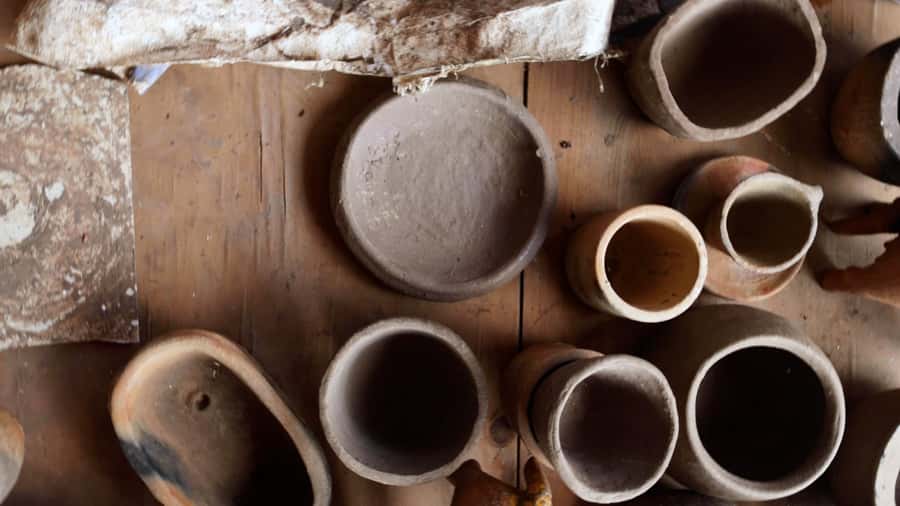
The $30 price is per person, and the session lasts one hour. Starting times depend on availability, so check the schedule before arranging the rest of your day.
Transportation is not included. Make your own plan for reaching the pottery studio and returning afterward. If you are booking a taxi or arranging another activity, allow enough time around the one-hour class rather than scheduling your next stop immediately afterward.
Ask three practical questions before you pay:
- Can I collect the piece after it dries?
- How long will drying take in the current weather?
- Is the café drink included with my booking?
These questions are especially important during rainy periods or on a short Kigali visit. The pottery may remain at the workshop while you continue your trip, so a clear arrangement matters.
Cancellation is flexible: you can cancel up to 24 hours in advance for a full refund. You can also reserve now and pay later, which helps if your Kigali plans are still moving around.
My take on the teaching and atmosphere
The strongest part of this experience is the human contact. Accounts of Mariam and Gloria describe women who are warm, patient, and happy to help people make their own pieces. That personal attention is what turns a basic craft session into a worthwhile cultural meeting.
The setting also receives praise for its beauty and artwork. Add the chance of a coffee or smoothie, and the hour can become a pleasant break as well as a lesson.
But you should keep your expectations realistic. This is a short workshop, not a full pottery apprenticeship. Communication may vary, and the finished piece may not be ready when you leave. One poor account also shows why it is sensible to speak up if you are not receiving enough explanation.
I would judge the experience by the quality of the interaction and the chance to make something yourself, not by the perfection of the pot. A crooked rim can be a better souvenir than a flawless one if you remember exactly how you made it.
Should you book Kubumba Delight?
Book it if you want a short, personal Kigali activity led by local women, and if you like the idea of supporting community work while making your own souvenir. The patient teaching, child-friendly format, café setting, and one-hour length give it broad appeal.
Think twice if your schedule leaves no time for drying, collection, or a possible change in the final pottery piece. Confirm the practical details first, especially during rainy weather.
For most people, the best way to see this $30 experience is as a cultural workshop with a handmade extra, not as a quick pottery purchase. If that sounds right, it is a friendly and worthwhile addition to a Kigali stay.
FAQ
How long does the Kubumba pottery activity last?
The pottery session lasts one hour.
How much does the experience cost?
The listed price is $30 per person.
What does the activity include?
It includes a guided Kubumba pottery session, the needed materials, cultural information about Kubumba, and a personal pottery piece. The activity also supports community development through the stated local initiatives.
Are transportation and meals included?
No. Transportation to and from the pottery studio is not included, and meals and refreshments are not listed as standard inclusions.
Can I take my pottery home immediately?
Not always. The piece may need about three days to harden, and rainy weather can make the drying period longer. Confirm collection arrangements if you are leaving Kigali soon.
What languages are available?
The instructors provide the activity in English and Swahili.
Is the activity suitable for children?
Yes. An account from a family with two 8-year-old girls described the activity as suitable, with the instructor giving them both independence and careful help.
Can I cancel the booking?
Yes. You can cancel up to 24 hours in advance for a full refund. You can also reserve the activity and pay later.
Just added around Kigali
- Kigali City Tour and Sightseeing★ 5.0 · 3 reviews
- From Kigali: 8 Hour Day-trip Lake Kivu Cruise Experience★ 4.5 · 3 reviews
- 3-Day Rwanda Gorilla Safari★ 4.5 · 3 reviews
- Home staying experience★ 5.0 · 3 reviews
- 2 Days Gorilla Trekking Rwanda★ 5.0 · 3 reviews
- 1 Day Gorilla Trekking Safari in Rwanda Volcanoes National Park★ 5.0 · 3 reviews
- Kigali: Guided City Tour let us learn, enjoy together ❤️★ 3.6 · 3 reviews
- Private Memorial Day Tour Ntarama and Nyamata★ 5.0 · 3 reviews
Kigali Tours, compared.



One-day Akagera National Park Game Drive with a Choice 4×4
Read our review →
Private Full-day Kigali City Tour with Pickup and Lunch
Read our review →


Private 1 Day Akagera Big Five Safari with pick up and lunch.
Read our review →
Mount Kigali and Cultural Village Tour with Snacks
Read our review →Browse the lists this tour appears in