
Reviewed · KIGALI TOURS
Home staying experience
A rural Rwandan home stay gives you something a standard sightseeing tour cannot: time inside the daily world of a family. You may stay in a mud or brick home, share food, see the outdoor kitchen and animal stalls, and take part in a traditional wedding ceremony. I like the genuine family setting and the chance to see how a rural home is arranged.
I also like the Lake Ruhondo views, with five volcanoes rising beyond the water and bird-spotting along the shore. The main point to clarify is the timing: the experience is described as an overnight stay, yet it is also listed as roughly four hours with a 3:00 pm start. Ask Beyond the Gorillas Experience exactly what length and transport plan apply to your booking.
Key points to know before booking
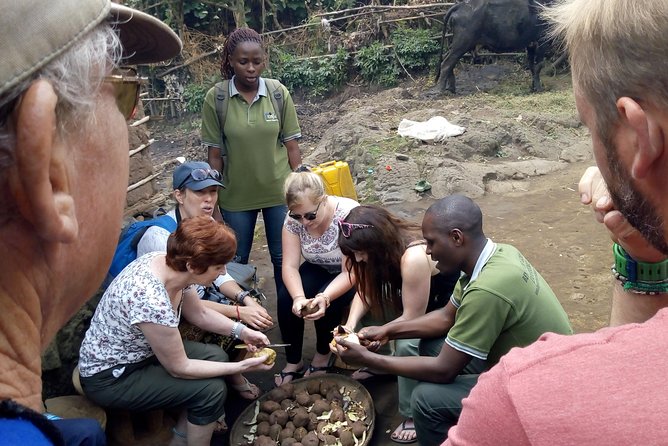
- A real family home: You may spend time in a mud or brick house with a front receiving room, smaller bedrooms, an outdoor kitchen, animal stalls, and a bathing outhouse.
- Traditional wedding customs: The program can include the choice of the bride, the gusaba ceremony, and the final marriage ceremony.
- Five volcano views: Lake Ruhondo provides one of the experience’s most memorable settings, with good chances for bird-spotting.
- Meals are included: Breakfast, lunch, dinner, and bottled water are covered, though local beer and food connected with the ceremony are optional.
- Small group size: The activity accepts no more than six people, which suits an experience built around conversation and participation.
- Clarify the schedule: The description combines an overnight home stay with a four-hour activity, so confirm whether your booking is short or overnight.
A home visit rather than a quick photo stop
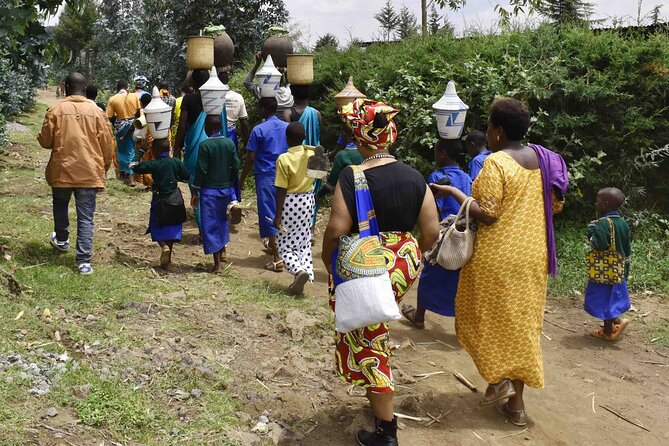
The value here is not a long list of monuments. It is the chance to slow down and see a rural household from the inside.
The host families live in homes made from mud or bricks. A larger front room is used for receiving people, while the family sleeps in smaller bedrooms. Behind the house, you can expect an enclosed work area with an outdoor kitchen, a pit latrine, a bathing outhouse, animal stalls, and space for family chores.
That arrangement gives you a useful lesson in how a home works beyond its walls. Cooking, washing, animal care, family work, and social life all happen close together. You are not simply looking at rural life from a vehicle window. You are being shown the practical spaces that support it.
Rwandan culture treats a guest as a blessing, and that spirit is central to the visit. You should arrive ready to be welcomed into a family setting, not expecting hotel-style privacy or polished facilities. The experience is strongest when you are comfortable with simplicity and willing to listen.
Most host families have about four children at home. That does not mean every visit will feel the same. Family size, the condition of the house, and the exact activities can vary, so it is best to treat the visit as a personal encounter rather than a fixed museum display.
A few more Kigali days to weigh up
- Kigali City Tour
★ 5.0 · 452 reviews - Kigali: Walking Tour with a Local Guide
★ 4.9 · 234 reviews - One-day Akagera National Park Game Drive with a Choice 4×4
★ 5.0 · 105 reviews
The journey from Kigali to the village
The experience begins from Kigali, with pickup offered. The supplied details also say private transportation is not included, so you should confirm whether pickup means transport arranged by the operator, a meeting arrangement, or a separate transport charge.
The drive or walk continues to a nearby rural village with your BGE guide. The wording suggests that the village may be close enough for some visitors to walk, but no exact distance is provided. Ask about the route if you have concerns about hills, heat, or road conditions.
A guide matters here. You are entering a family home and a local community, so a guide can explain customs, introduce you properly, and help you understand what is appropriate during ceremonies. The provider is Beyond the Gorillas Experience, but no guide’s personal name is given in the available information.
The group limit of six is a practical advantage. A smaller group is less intrusive in a family home, and it gives you more room to ask questions or take part in conversation. It also matters during a wedding ceremony, where a large organized group could change the feel of the event.
The listed start time is 3:00 pm. That points to an afternoon arrival, though another part of the description says you depart after breakfast and may continue through dinner. This is the clearest issue to resolve before paying. The experience is called an overnight home stay in one place, but the duration is also listed as approximately four hours.
Seeing a Rwandan home from the inside
The first stage is the welcome from your rural community hosts. Expect an introduction to the household and a chance to understand how the family uses its rooms and outdoor spaces.
The larger front room is the social center. In a Rwandan home, this is where visitors are received, so it is likely to be the most natural place for introductions and conversation. The smaller bedrooms are family spaces rather than visitor facilities, and the description does not promise a private bedroom or a particular sleeping arrangement.
Behind the house, the outdoor kitchen offers a practical look at food preparation. The enclosed pit latrine and bathing outhouse are important details to consider. They make the experience more authentic, but they also mean you should not expect the plumbing and privacy of a city hotel.
Animal stalls and family work areas show how closely household life is connected to daily labor. The visit can help you understand that rural life is not a staged cultural display. It is a working home, and your presence should be respectful of the family’s routines.
Photography is allowed freely during the wedding ceremony according to the activity details. Still, good manners matter. Ask before photographing children, private spaces, or people who are not part of the ceremony. Your guide can help you judge when a picture is welcome and when it is better to put the camera away.
Following a traditional Rwandan wedding
The wedding portion is one of the more unusual parts of the experience. You may follow the ceremony from the choice of the bride through the gusaba ceremony and on to the marriage itself.
The description presents this as a traditional wedding sequence, not simply a short dance performance. That makes the order of events important. You can expect your guide to help explain what is happening as the ceremony moves from one stage to the next.
The choice of the bride gives the event a cultural frame that may be unfamiliar to you. The gusaba ceremony is another key stage, followed by the final marriage ceremony. Since the details of the ritual are not fully explained, ask the guide to interpret the symbolism and roles involved rather than trying to guess what each action means.
Participation is part of the plan. You may join the ceremony, take pictures, and taste local food and beer. The food and local beer are optional, which is helpful if you have dietary, medical, religious, or personal reasons to avoid them.
Keep in mind that a real ceremony may not run on a tidy schedule. The advertised four-hour length may be an estimate, and the overnight wording suggests that a longer arrangement is possible. Confirm how much of the wedding you will see and how your visit fits around the family’s own event.
Same base, a completely different day out:
- Private Full-day Kigali City Tour with Pickup and Lunch
★ 5.0 · 79 reviews - Kigali Walking Tour
★ 4.5 · 78 reviews - Kigali E-Bike City Tour with Breakfast
★ 4.9 · 73 reviews - Private 1 Day Akagera Big Five Safari with pick up and lunch.
★ 5.0 · 72 reviews
Food, beer, and included meals
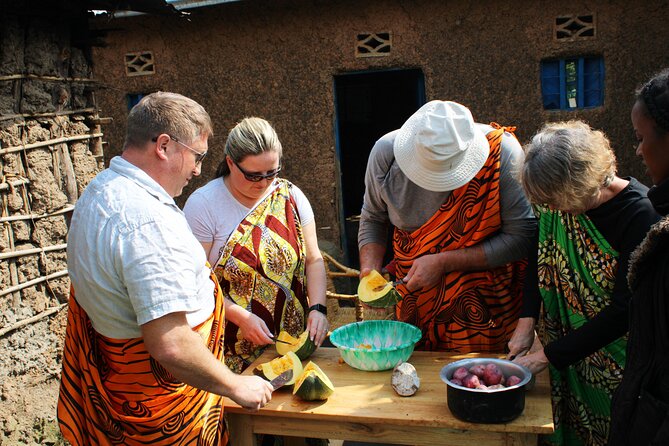
Breakfast, lunch, dinner, and bottled water are included. For a price of $71.80 per person, that adds useful value, especially if the visit extends through the evening or overnight period.
The meal is part of the cultural exchange, not just fuel between activities. Eating with the family can give you a better feel for hospitality and household life than a restaurant meal designed for outside customers. You should expect local food rather than a menu built around international preferences.
The description does not specify dishes, ingredients, or arrangements for special diets. If you have allergies or dietary restrictions, contact the operator before arrival. The same applies to local beer. It is available as an optional tasting connected with the ceremony, so you can decline it without missing the main experience.
Because breakfast is listed among the inclusions but the activity starts at 3:00 pm, the meal schedule is another sign that the booking details need clarification. You may be looking at a standard overnight program alongside a shorter version. Do not assume that every listed meal is served during a four-hour visit.
Lake Ruhondo and the five volcanoes
The setting adds real appeal. You can enjoy views of five volcanoes overlooking Lake Ruhondo, a lake known for bird-spotting.
This is a fine counterpoint to the home visit. The family setting is close and personal, while the lake gives you space to look outward. If you enjoy taking photographs, the volcanoes and water should provide the strongest scenic moments of the day, though no exact viewing point or boat ride is promised.
Bird-spotting is mentioned, but this is not presented as a specialist bird tour. Bring binoculars if you already carry them, but do not book this experience expecting a formal wildlife count or guaranteed sightings. The main focus remains the home stay and wedding customs.
The weather policy also matters here. The activity requires good weather, so conditions can affect the outdoor portions and the drive or walk to the village. If poor weather forces cancellation, you are offered another date or a full refund.
What $71.80 gets you
At $71.80 per person, the price is reasonable if you receive the fuller overnight program. You are paying for a guide, access to a host family, several meals, bottled water, and a cultural experience that is difficult to arrange independently.
The value is less clear if your booking is only four hours and transport costs extra. Private transportation is not included, even though pickup is offered, so ask for the complete cost before confirming. A low headline price can become less appealing if you must arrange a long transfer separately.
The small maximum group of six improves the value. You are not paying for a large bus tour with a quick stop and a staged presentation. You have a better chance to speak with the family, understand the ceremony, and ask your guide questions.
The experience is also popular with students on study programs, interns, and researchers. That makes sense. A home stay provides direct contact with local life and can be useful for people who want more time with a community than a standard city tour allows.
For a short holiday, the decision depends on your priorities. If you want polished comfort, tight timing, and a predictable menu, this may not be the best match. If you value personal contact, simple living, and cultural context, the price can be well spent.
Comfort, fitness, and cultural manners
You should have a moderate level of physical fitness. The activity may involve a drive or walking on foot to a remote village, and the exact route is not given. Near public transportation is listed, but that does not mean every part of the visit is easy to reach by city bus.
The house facilities are basic. An outdoor kitchen, pit latrine, bathing outhouse, and animal stalls are part of the setting. If you need guaranteed indoor plumbing, a private bathroom, or hotel bedding, ask detailed questions before booking.
You should also prepare for a social experience. Rwandan hospitality may involve conversation, food, ceremony, and shared time with the family. A quiet observer can still enjoy the visit, but the experience works best if you are willing to respond warmly and participate when invited.
Dress and behavior should be modest and respectful, especially during the wedding. Follow your guide’s advice about photographs, entering rooms, tasting food, and joining the ceremony. The family is hosting you in a working home, so patience and courtesy matter more than ticking off every planned activity.
The top rating from the available feedback reflects the emotional side of the experience. One participant described the family as so welcoming that the visit felt like being treated as family and called it the highlight of the trip. That points to the strongest reason to book: the personal connection can stay with you long after the scenery fades.
Sorting out the four-hour and overnight versions
This is the one detail I would not leave vague. The activity is introduced as an overnight experience, yet it is listed as lasting approximately four hours. It also says the experience can be long or short depending on what you want.
Those details may mean that the operator offers flexible stays, with the four-hour option shown as the standard booking length. They may also reflect two versions combined into one description. The included breakfast and dinner make an overnight visit sound possible, while the 3:00 pm start makes a short afternoon and evening visit possible too.
Before booking, ask these questions:
- Is the reservation for four hours or one night?
- Where will you sleep if it is overnight?
- Does pickup from Kigali include the return journey?
- Is private transport included or paid separately?
- Are all four listed meals included in the exact version you are booking?
- Will a wedding ceremony definitely be taking place on your date?
The provider offers free cancellation up to 24 hours before the local start time. Inside that period, you receive no refund, and changes are not accepted. Since the activity depends on good weather, check the operator’s plan if conditions threaten the visit.
Who should book this home stay?
I would recommend it to you if you want direct contact with a rural Rwandan family and you are comfortable with basic facilities. It suits students, interns, researchers, and curious holidaymakers who want to look beyond Kigali’s main sights.
It is also a good fit if wedding customs interest you. The chance to follow the ceremony from the bride selection through gusaba and marriage gives the visit a clear cultural focus, while the lake and volcano views add a scenic reward.
I would hesitate if you have limited mobility, need a private bathroom, or want a tightly timed excursion. The remote village setting, possible walking, outdoor facilities, and unclear duration require a flexible attitude.
Should you book it?
Book this experience if your idea of a good day includes a welcoming family, simple rural facilities, traditional wedding customs, shared food, and views across Lake Ruhondo toward five volcanoes. The small group size and included meals make the $71.80 price attractive for the fuller program.
Before you commit, get the duration and transport in writing. The difference between a four-hour visit and an overnight stay is too important to leave to assumption. If the operator confirms the version you want, this can be one of the more personal experiences in Rwanda, with far more human contact than a standard sightseeing stop.
FAQ
Where does the home stay experience begin?
It begins in Kigali, Rwanda. Pickup is offered, but the exact pickup arrangement should be confirmed with Beyond the Gorillas Experience.
Where does the activity end?
The activity ends back at the meeting point.
What time does the activity start?
The listed start time is 3:00 pm.
How long does the experience last?
It is listed as approximately four hours, but it is also described as an overnight home stay. The activity can be long or short depending on the booking, so confirm the exact duration before reserving.
How many people can join?
The group is limited to a maximum of six people.
What meals are included?
Breakfast, lunch, dinner, and bottled water are included. Local beer and food connected with the wedding ceremony are optional.
Is private transportation included?
No. Private transportation is listed as not included, even though pickup is offered. Ask the provider how pickup and return transport work for your booking.
Is the activity suitable for people with limited fitness?
The activity requires a moderate level of physical fitness. It may involve driving or walking to a remote village.
What happens if bad weather cancels the activity?
If poor weather causes cancellation, you are offered a different date or a full refund. You can also cancel for a full refund up to 24 hours before the local start time.
Just added around Kigali
- From Kigali: 8 Hour Day-trip Lake Kivu Cruise Experience★ 4.5 · 3 reviews
- Kigali City Tour and Sightseeing★ 5.0 · 3 reviews
- 3-Day Rwanda Gorilla Safari★ 4.5 · 3 reviews
- 2 Days Gorilla Trekking Rwanda★ 5.0 · 3 reviews
- 1 Day Gorilla Trekking Safari in Rwanda Volcanoes National Park★ 5.0 · 3 reviews
- Kigali: Guided City Tour let us learn, enjoy together ❤️★ 3.6 · 3 reviews
- Private Memorial Day Tour Ntarama and Nyamata★ 5.0 · 3 reviews
- Ntarama and Nyamata Genocide Memorial Day Tour★ 4.5 · 3 reviews
Kigali Tours, compared.


One-day Akagera National Park Game Drive with a Choice 4×4
Read our review →
Private Full-day Kigali City Tour with Pickup and Lunch
Read our review →
Private 1 Day Akagera Big Five Safari with pick up and lunch.
Read our review →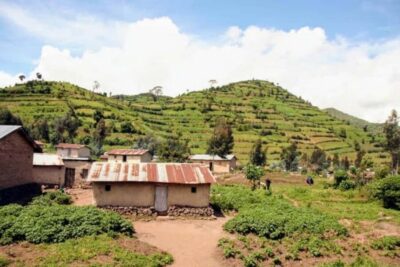
Mount Kigali and Cultural Village Tour with Snacks
Read our review →Browse the lists this tour appears in