

Reviewed · KIGALI TOURS
Kigali: Traditional Coffee Experience ( Bean to Brew)
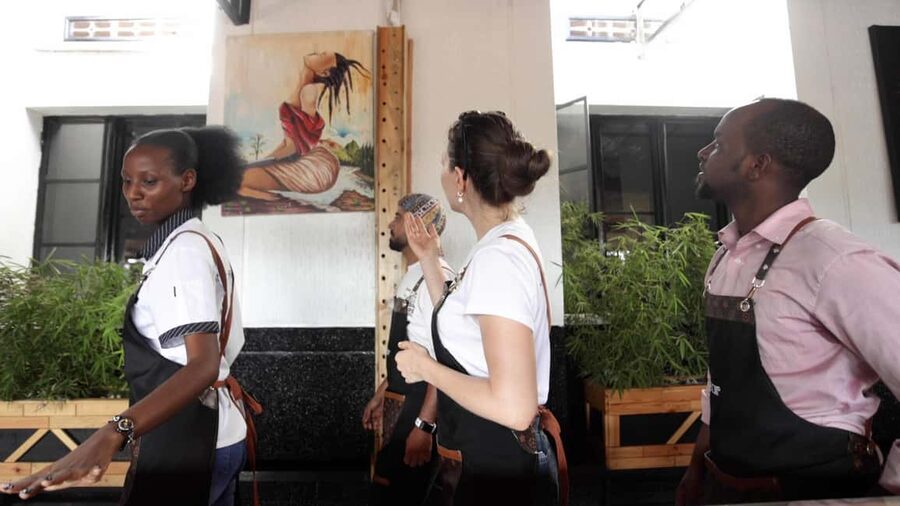
Rwandan coffee gets personal here. You handle the beans, follow their path from fruit to drink, roast them using traditional and modern methods, pound them, and finally taste the coffee you helped prepare. At Umurishyo Arts Gallery, the coffee lesson also opens a door to music, crafts, games, and daily Rwandan culture.
I like the hands-on work and the warm, small-group feel. Guides including Gilbert, John, Deborah, and Chaplan have led visitors through the process with patience, and the tasting can include black coffee and coffee prepared with ginger. I also like that your $50 helps support a local cultural center, its community work, and artisan projects.
One thing to understand before booking: this is not clearly a standard drive out to a large coffee plantation. The activity meets at a city cultural center, though the coffee process can include fresh cherries or beans and a field-to-cup explanation. Transportation to the meeting point is not included, and the session may last anywhere from 150 minutes to three hours.
Key points to know before you book

- You make the coffee yourself: Expect to handle several stages, from opening the fruit or preparing the beans to roasting, pounding, and brewing.
- The setting is Umurishyo Arts Gallery: This is a cultural center in Kigali, not simply a roastery or café.
- Traditional and modern roasting are included: You can compare older methods with a more current roasting approach.
- The tasting has a local touch: Black coffee and ginger coffee may be served, along with other local blends.
- The cultural program goes beyond coffee: Depending on the session, you may learn about music, dance, crafts, traditional life, or the Igisoro board game.
- Your payment supports local work: The center uses its income to support local businesses, communities, and programs connected with children and education.
Coffee culture begins at Umurishyo Arts Gallery

The first surprise is the setting. You meet at Umurishyo Arts Gallery, a cultural center in Kigali, rather than automatically heading far outside the city to a commercial coffee estate.
That matters because the experience is broader than a farm visit. You come to learn how coffee is processed, but you also get a look at a place where art, local traditions, community work, and hospitality share the same space. One account describes the center as being in the middle of the city, which makes this a practical choice if you have limited time in Kigali.
The exact opening step can vary with the session. The program is described as beginning with coffee fields and cultivation, while some participants have worked with fresh coffee fruit at the center. Another account makes clear that there is no drive to a plantation. I would book this for the coffee-making lesson and cultural setting, not on the assumption that you are taking a full rural farm excursion.
You may be welcomed with drumming before the coffee work starts. That small touch sets the tone: this is a participatory cultural activity, not a lecture with a cup at the end.
More coffee experiences around Kigali:
- Specialty Coffee Masterclass
★ 5.0 · 33 reviews - Women-led Coffee Farm Trek
★ 5.0 · 19 reviews - Full Day Shared Akagera Safari Tour with Lunch and Coffee
★ 5.0 · 15 reviews
From coffee fruit to usable beans
The most satisfying part is seeing how many steps sit between a coffee cherry and the drink in your cup. Your guide explains how coffee is cultivated, where Rwanda’s coffee tradition comes from, and how local communities work with sustainable practices.
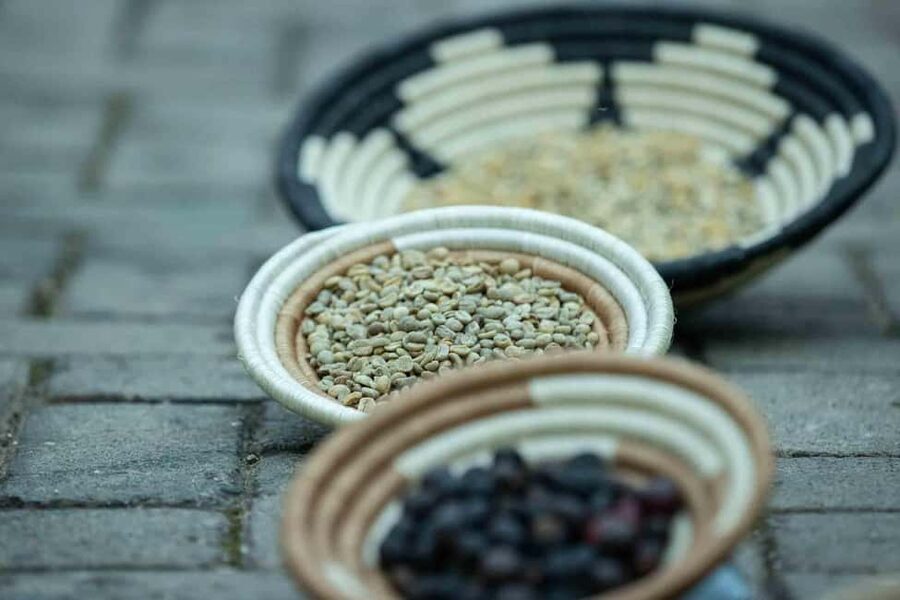
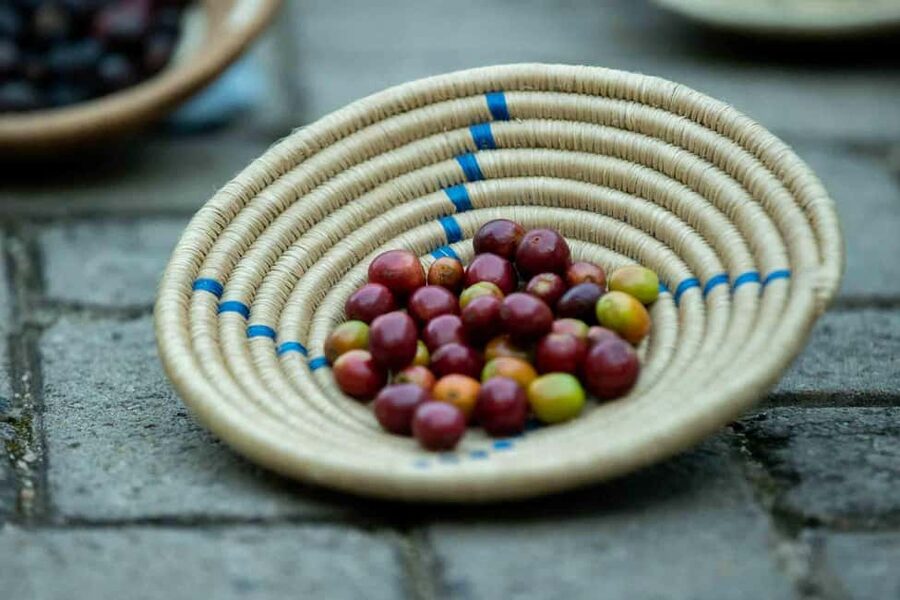
If fresh cherries are available, you may begin by opening the fruit and separating the useful coffee seed from its outer covering. This is a simple task, but it changes how you think about coffee. A roasted bean looks finished and familiar. A coffee cherry feels like a crop, and the work involved becomes much easier to understand.
The guides make room for questions. John has led the process from coffee’s origins through preparation, while Gilbert has also connected the coffee lesson with traditional life, music, and dance. Deborah has been praised for making the practical work clear and approachable. Since the instructor may be one of several members of the center’s team, the personality and order of the session can vary.
You are not expected to arrive with coffee expertise. The useful approach is to take part, even if the early steps feel unfamiliar. One visitor admitted to feeling a little intimidated at first and wished they had made more coffee. That is good advice in disguise: roll up your sleeves and try each stage rather than watching from the side.
Traditional roasting, modern roasting, and the work of patience

Roasting brings the process to life. You take part in traditional roasting and also learn how a modern method differs. The point is not only to see equipment or hear technical terms. You get to notice how heat changes the beans, their smell, and their color.
Traditional preparation gives the session its strongest sense of place. It connects coffee with older household methods and the careful pace of making something by hand. The modern approach gives you a useful comparison, showing how the same basic ingredient can be handled with different tools and levels of control.
The activity also includes pounding the coffee. This physical stage is easy to overlook when you buy a neatly ground bag, but here it becomes part of the story. You are involved in turning the roasted beans into something ready for brewing.
This work can take time, and that is part of the value. If you want a quick coffee tasting, this will feel too slow. If you like understanding how food and drink are made, the pace is just right. The listed duration runs from two and a half hours to three hours, so do not schedule a tight appointment immediately afterward.
The final cup tastes better because you made it
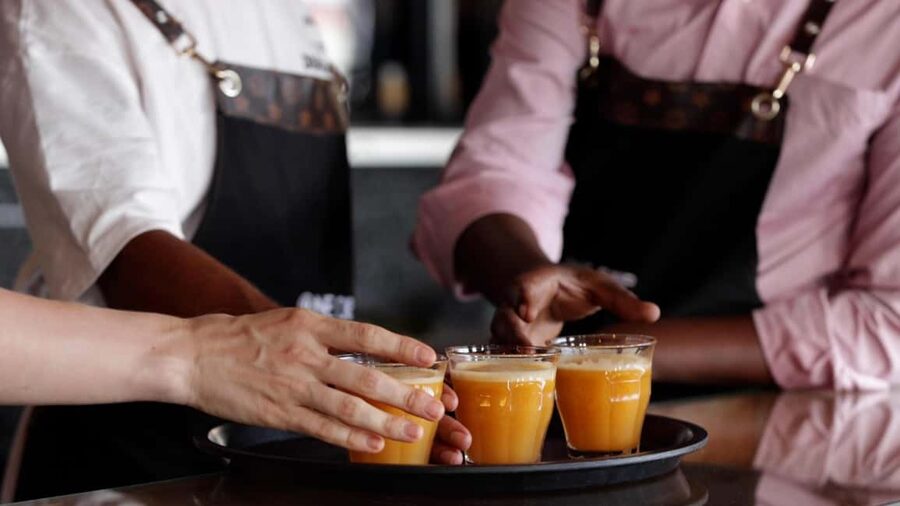
The tasting takes place at the cultural center’s coffee setting and brings the activity together. You sample coffee made from the stages you have just explored, along with local blends and, in some sessions, ginger coffee.
Black coffee gives you a clean way to notice the roast and the character of the beans. Ginger coffee adds a distinctly local twist and gives the tasting a second flavor profile. The session is less about scoring the coffee like a professional and more about understanding how preparation changes the result.
You can talk with the guide and the center’s operators while you drink. That conversation is one of the better parts of the experience because it connects the beverage to the people making the program possible. The center was established by a couple to help fund an NGO, and income also supports efforts to help children leave the streets and return to school.
The craft work adds another layer. Items sold at the center are made by children connected with those programs. If you are looking for a meaningful souvenir, the gallery gives you a chance to support that work directly, although personal purchases are not included in the activity price.
More cultural visits around Kigali:
- Kigali: Mount Kigali and Cultural Village Tour with Snacks
★ 4.8 · 62 reviews - Kigali: Traditional Basket Weaving in a Garden
★ 4.8 · 41 reviews - Kigali: Choose Your Traditional Craft Experiences
★ 5.0 · 18 reviews - 1 day Cultural Adventure Tour in Lake Kivu
★ 5.0 · 13 reviews
More than coffee: music, crafts, and a game of Igisoro
Coffee is the main event, but the cultural center can hold your attention after the brewing is finished. The program may include stories about traditional life, music, dances, and crafts.
Samuel, one participant, spent extra time at the center learning about past ways of life, playing Igisoro, a traditional Rwandan board game, and even joining a football game. Those extras are not promised as fixed parts of every booking, so you should not plan your day around them. Still, they show why allowing a little extra time can be worthwhile if the center invites you to stay and talk.
Chaplan has also shown visitors around Kimironko Market. That market visit is not listed as a standard inclusion, so treat it as an occasional extension rather than part of the coffee booking. The useful lesson is to ask your guide about local interests while you are there. The conversation may lead to helpful ideas for the rest of your Kigali visit.
The arts setting also makes this a good choice for people who want more than a food demonstration. You are not only learning a recipe. You are meeting a local team and seeing how a cultural space uses tourism income to support community goals.
What the $50 price really covers
At $50 per person, this is not the cheapest way to drink coffee in Kigali. You could buy an excellent cup for far less. The price makes more sense when you count the time, instruction, ingredients, cultural explanation, roasting activities, tasting, and support for the center’s local work.
You are paying for access to a process, not just a finished beverage. A café visit gives you coffee. This gives you the coffee story, practical work, and a chance to speak with the people running the center.
The value is strongest for coffee lovers, food-focused visitors, and anyone who prefers a small cultural activity to a large sightseeing program. It is less compelling if your main goal is a scenic plantation visit or a professional coffee cupping with detailed tasting notes.
The social purpose also matters, but I would still judge the activity on its own merits. Here, the educational and cultural content appears strong enough to make the price reasonable, while the community connection gives your spending an added benefit.
Timing, language, and practical planning
The activity lasts 150 minutes to three hours, depending on the starting time and how the session unfolds. Check availability for the exact schedule, and leave room for conversation and extra cultural activities.
English, French, and Swahili are offered. That makes the experience accessible to a wide range of visitors, though the level of detail may depend on which instructor leads your session.
You must arrange your own transportation to Umurishyo Arts Gallery. This is an important detail if you are staying in another part of Kigali. The meeting point is supplied, but transport is not part of the $50 price.
Wear something comfortable for practical work. The activity requires participation in roasting, pounding, and preparation, so clothing you do not mind wearing during hands-on food work is sensible. This is practical advice rather than a stated dress rule.
People with food allergies should not book this activity. Coffee tasting is central to the experience, and the program is not listed as suitable for people with food allergies.
The booking terms are flexible. You can reserve now and pay later, and cancellation is free up to 24 hours before the activity for a full refund. That helps if your Kigali schedule is still changing.
Who will enjoy this Kigali coffee experience?
I would recommend it most strongly to:
- Coffee drinkers who want to understand the work behind their daily cup
- Visitors looking for a cultural activity based in Kigali
- Families or small groups who enjoy taking part rather than only watching
- People interested in local enterprise and community projects
- Anyone who likes combining food, art, conversation, and traditional activities
It also suits first-time visitors who want an easy introduction to Rwandan coffee culture without committing to a full day outside the city.
I would be more cautious if you expect a long rural outing among coffee fields. The supplied details point to a city-based cultural center, even though the lesson covers the field-to-cup process and may include fresh coffee fruit. Ask for clarification about the exact format if a plantation visit is essential to your plans.
Should you book it?
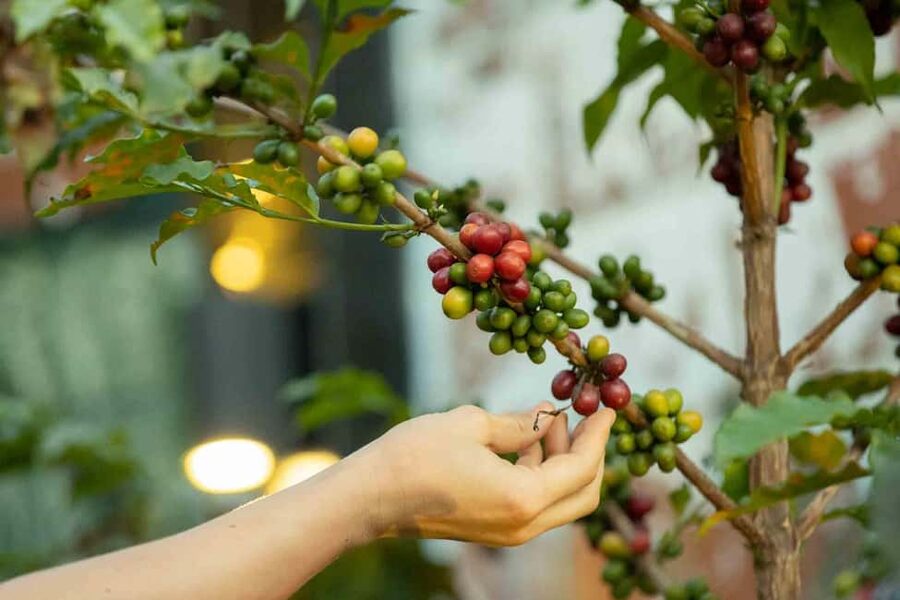
Book this if you want to make your own coffee, learn the stages by doing them, and meet a local team in a cultural setting. The roasting, pounding, ginger coffee, drumming, crafts, and possible Igisoro game give the visit more character than a standard tasting.
Skip it if you only want a quick cup, need a tightly timed activity, or specifically want a tour of a large coffee farm. For most visitors with two and a half to three hours to spare in Kigali, the $50 price offers a useful mix of practical learning and local connection, with the added benefit of supporting community work.
FAQ
Where does the coffee experience meet?
The meeting point is Umurishyo Arts Gallery in Kigali Province, Rwanda.
How long does the activity last?
The activity lasts between 150 minutes and three hours. Starting times depend on availability.
Does the activity include transportation?
No. Transportation to the meeting point is not included.
What languages are available?
The instructors speak English, French, and Swahili.
Do I take part in the coffee preparation?
Yes. The activity includes hands-on work with traditional and modern roasting, as well as other stages of coffee preparation such as pounding and brewing.
Is this a visit to a coffee plantation?
The activity explains the field-to-cup process and may include working with fresh coffee fruit or beans, but the meeting point is a cultural center in Kigali. Transportation to a plantation is not included.
Is coffee tasting included?
Yes. The experience ends with an exclusive tasting of local blends. Black coffee and ginger coffee may be included.
Can I cancel or pay later?
You can reserve the activity and pay later. Cancellation is free up to 24 hours in advance for a full refund.
More Coffee Experiences in Kigali
- Rwandan Coffee Experience
★ 5.0 · 10 reviews - Painting with Delicious Coffee
★ 5.0 · 9 reviews - Local Community Tour(Cultural, Coffee,Village walk,Local food)
★ 5.0 · 8 reviews - Private Half-Day Guided Kigali City Tour with Coffee Break Included
★ 5.0 · 6 reviews
Just added around Kigali
- Kigali City Tour and Sightseeing★ 5.0 · 3 reviews
- From Kigali: 8 Hour Day-trip Lake Kivu Cruise Experience★ 4.5 · 3 reviews
- 3-Day Rwanda Gorilla Safari★ 4.5 · 3 reviews
- Home staying experience★ 5.0 · 3 reviews
- 2 Days Gorilla Trekking Rwanda★ 5.0 · 3 reviews
- 1 Day Gorilla Trekking Safari in Rwanda Volcanoes National Park★ 5.0 · 3 reviews
- Kigali: Guided City Tour let us learn, enjoy together ❤️★ 3.6 · 3 reviews
- Private Memorial Day Tour Ntarama and Nyamata★ 5.0 · 3 reviews
Kigali Tours, compared.

One-day Akagera National Park Game Drive with a Choice 4×4
Read our review →
Private Full-day Kigali City Tour with Pickup and Lunch
Read our review →

Private 1 Day Akagera Big Five Safari with pick up and lunch.
Read our review →
Mount Kigali and Cultural Village Tour with Snacks
Read our review →Browse the lists this tour appears in