
Reviewed · KIGALI TOURS
Kigali: Traditional Carpet Weaving (Ikirago) + amazing views
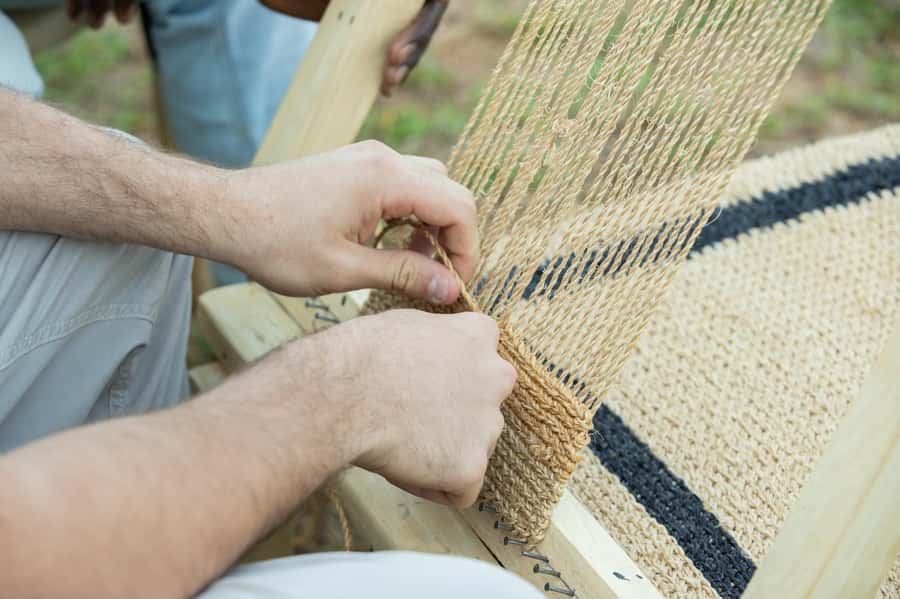
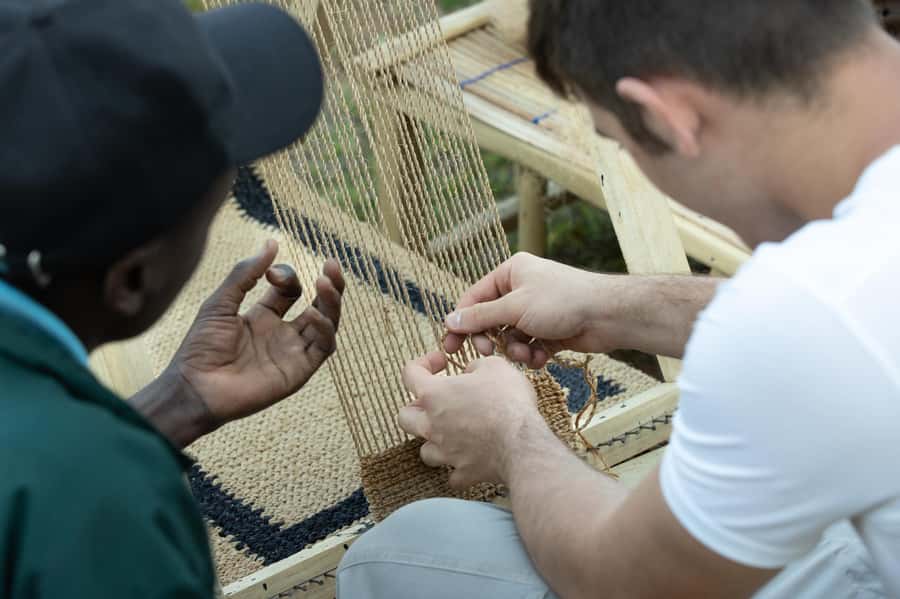
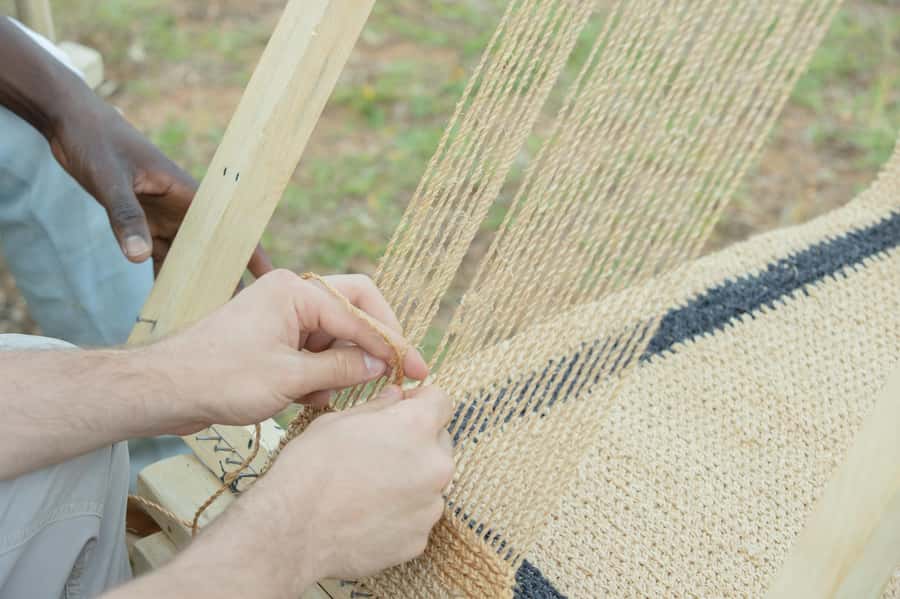
The most rewarding part of this Kigali experience is that you do not just look at a finished Ikirago carpet. You learn how it is made, then create a small one yourself with sisal fiber and traditional methods. I like the hands-on format and the chance to work beside local artisans in a real weaving studio rather than a polished shop built only for visitors.
I also like that the finished piece comes home with you. It becomes a useful wall hanging or table mat, not another souvenir that gets forgotten in a drawer. The main thing to consider is time: three hours is enough to learn the basics, but a careful or first-time weaver may need longer to finish a neat piece.
Key points to know before booking
- Make your own mini Ikirago carpet: You create a small woven piece and take it home at the end.
- Work with sisal fiber: The workshop uses natural fiber, traditional tools, and methods passed down through generations.
- Learn the meaning behind the designs: The session covers the cultural importance of Ikirago carpets, including the stories linked to colors and patterns.
- Learn in a working studio: You see local weavers at work and browse additional designs and examples after your own weaving session.
- Allow the full three hours: One person needed more than the scheduled time, so do not book this between two tight appointments.
- Enjoy views around the workshop: The setting adds a pleasant visual break to an activity that is mostly seated and hands-on.
Why Ikirago weaving makes a good Kigali activity
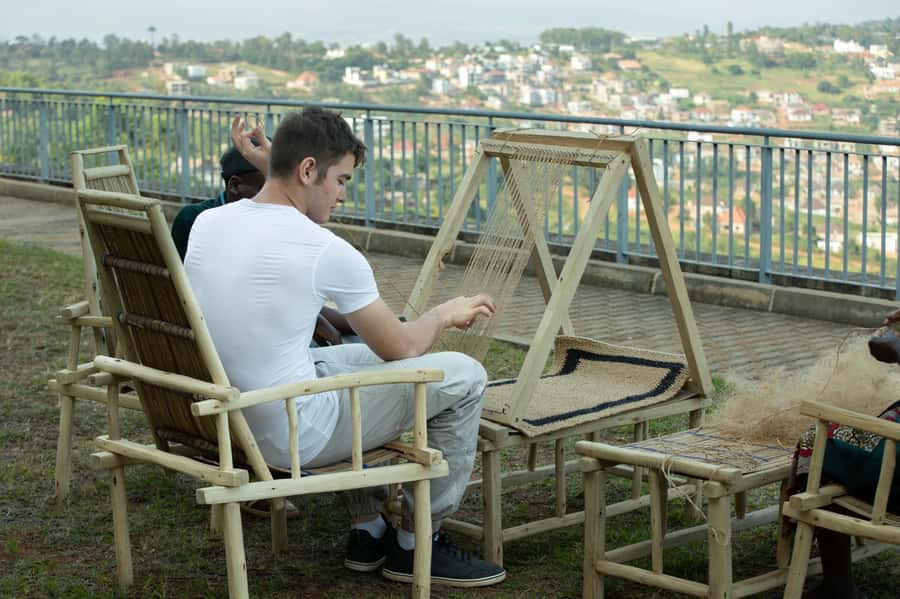
Kigali offers plenty of ways to see Rwanda, but a craft workshop gives you a different kind of connection to the country. You spend time with a practical tradition and learn how a finished object takes shape, one strand at a time.
Ikirago carpets are more than floor coverings. The patterns and colors carry cultural meaning, and the opening part of the session explains those ideas before you begin. That context matters. Without it, weaving can feel like a simple craft lesson. With it, your small carpet has a clearer place in Rwandan culture.
I especially like the balance between explanation and practice. You are not expected to sit through a long talk before touching the materials. Once you learn the background, the artisans guide you into the basic techniques and help as your work develops.
The experience takes place in a traditional weaving studio. That gives the session a more personal feel than a large demonstration where you watch from a distance. You can see the weavers working, compare other designs, and understand the patience behind the finished pieces.
The workshop also comes with appealing views, although the available details do not specify exactly what you will see from the studio. Treat that as a pleasant extra rather than the main reason to book. The real attraction is the weaving itself.
More cultural visits around Kigali:
- Kigali: Mount Kigali and Cultural Village Tour with Snacks
★ 4.8 · 62 reviews - Kigali: Traditional Coffee Experience ( Bean to Brew)
★ 4.8 · 54 reviews - Kigali: Traditional Basket Weaving in a Garden
★ 4.8 · 41 reviews
What happens during the three-hour workshop
1. Begin with the story behind Ikirago
The session starts with an introduction to Ikirago carpets and their place in local culture. You learn why particular patterns and colors are used and hear the stories connected with these designs.
This first section gives you something to watch for once you begin weaving. Instead of choosing colors at random, you can think about how a pattern communicates an idea or reflects a tradition. The information provided does not promise that you will choose from a wide design menu, so ask the instructor what options are available when you arrive.
The cultural introduction is also useful for anyone buying or receiving a larger Ikirago piece later in the trip. You will have a better sense of what you are looking at and can ask more informed questions.
2. Learn the basic weaving method
Next, the artisans introduce the tools, materials, and basic process. All necessary equipment and sisal fiber are supplied, and the activity is designed for beginners. You do not need previous weaving experience.
That beginner-friendly approach makes this suitable for people who want a calm, creative activity rather than a demanding technical class. You will work through the method step by step, with an English-speaking instructor and local weavers available to help.
The instructions describe traditional methods handed down over generations. That is important because you are learning a working craft, not simply making a decorative object from a modern kit. At the same time, do not expect to master the whole art in one afternoon. Your goal is a small personal piece and a basic understanding of the process.
You may bring a favorite weaving tool if you have one, but it is not needed. The workshop supplies the required materials and tools.
A few more Kigali days to weigh up
- Kigali City Tour
★ 5.0 · 452 reviews - Kigali: Walking Tour with a Local Guide
★ 4.9 · 234 reviews - One-day Akagera National Park Game Drive with a Choice 4×4
★ 5.0 · 105 reviews - Private Full-day Kigali City Tour with Pickup and Lunch
★ 5.0 · 79 reviews
3. Create your own mini carpet
The central part of the visit is your own weaving. You use sisal fiber to make a mini Ikirago carpet, with artisans offering help at each stage.
This is where the three-hour schedule becomes important. Weaving can be relaxing, but it is not a quick activity. The pace depends partly on your hand skills and how carefully you work. One verified booking described the experience as very fun and a great discovery, while also warning that some people may need more than three hours.
For that reason, I would not schedule a hard departure time immediately afterward. If your piece takes longer, you want a little breathing room. Ask the workshop team in advance how they handle unfinished work if you cannot complete it during the booked session.
The finished item can serve as a wall decoration, table mat, or another small household piece. Its exact size and design are not specified, so think of it as a personal mini carpet rather than a full-size rug.
There is also a nice difference between buying a souvenir and making one. The result may not be perfectly even, and that is part of the point. You leave with something that shows where you were and what you learned.
4. Tour the studio and see other designs
The workshop ends with a look around the weaving studio. You can watch the artisans in action and view further designs and examples of their work.
This final part helps put your small project into perspective. After working with sisal yourself, you will notice the structure, patterns, and finish of larger pieces in a different way. You may also find additional items or designs that interest you, though purchases beyond your mini carpet are not included in the price.
The studio visit is a good time to ask about the techniques you found difficult. A local artisan can often explain why a certain edge, color change, or pattern takes patience. Since the instruction is in English, you can ask questions directly.
A relaxed activity with real hands-on value
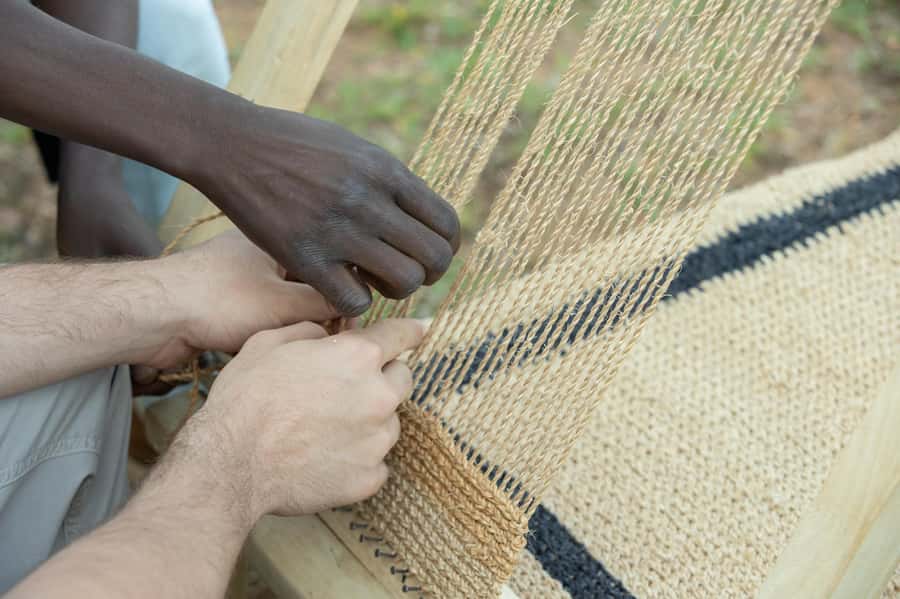
The strongest praise for this experience centers on its calm mood, attractive setting, and the satisfaction of leaving with a creation. One French participant described it as relaxing, held in a beautiful place, and led by a patient, capable young woman. That is a useful picture of the pace: focused but not rushed, with guidance available when your fingers stop cooperating.
I would choose this activity if you want a break from driving, museums, or busy sightseeing. Weaving gives your hands something to do while your attention settles. It is also a good option on a day when you want a cultural activity without a long walk.
The activity is not passive, though. You will need to follow instructions and repeat the technique. If you prefer watching a demonstration and taking photographs, this may feel like work rather than leisure. The best fit is someone who enjoys trying a craft and accepts that a handmade object may have a few crooked lines.
The workshop is also a useful choice for solo visitors. You have a clear task, direct contact with an artisan, and a finished object to take home. Couples or friends can make their own pieces and compare the results, though the information does not state whether everyone works at one shared loom or has an individual setup.
What the $30 price includes
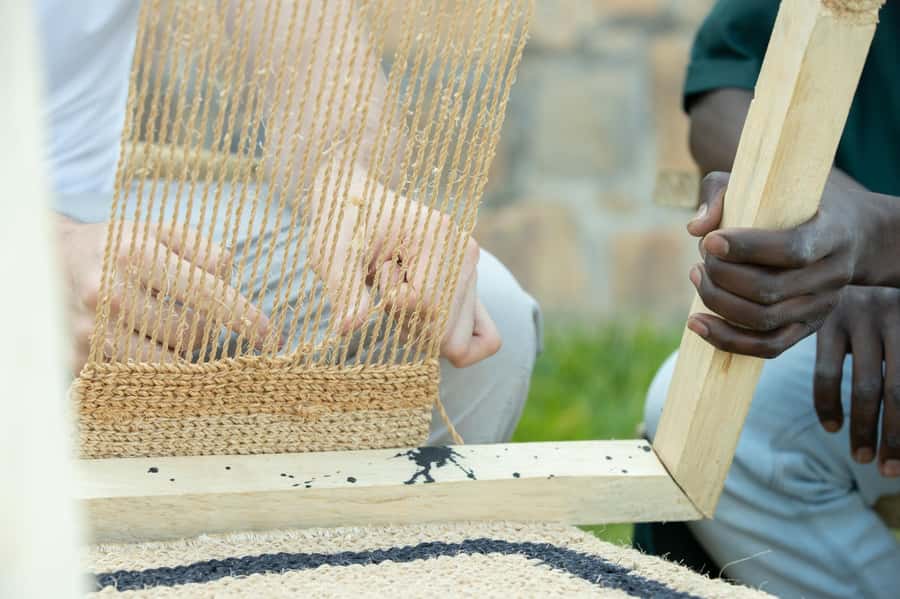
At $30 per person, the price covers three hours of instruction, materials, tools, help from experienced local artisans, and your own mini Ikirago carpet.
That is solid value if you would otherwise buy a handmade textile as a souvenir. You are paying not only for the object, but also for the time and guidance needed to make it. The cultural explanation and studio tour add useful context without requiring a separate museum visit.
The value is less clear if you mainly want a large finished carpet. The included item is a mini carpet, and the price does not include other purchases. You may see additional designs in the studio and decide to buy something, so bring room in your budget if locally made work catches your eye.
Hotel pickup and drop-off are not included. You need to arrange your own way to the workshop location in Kigali Province, and the available information does not specify the transport cost or exact meeting point. Check those details before paying, especially if you are staying far from the studio.
Lunch and drinks are also not included. Bring food and water, particularly if the activity fits into a longer day of sightseeing.
Who should book this experience
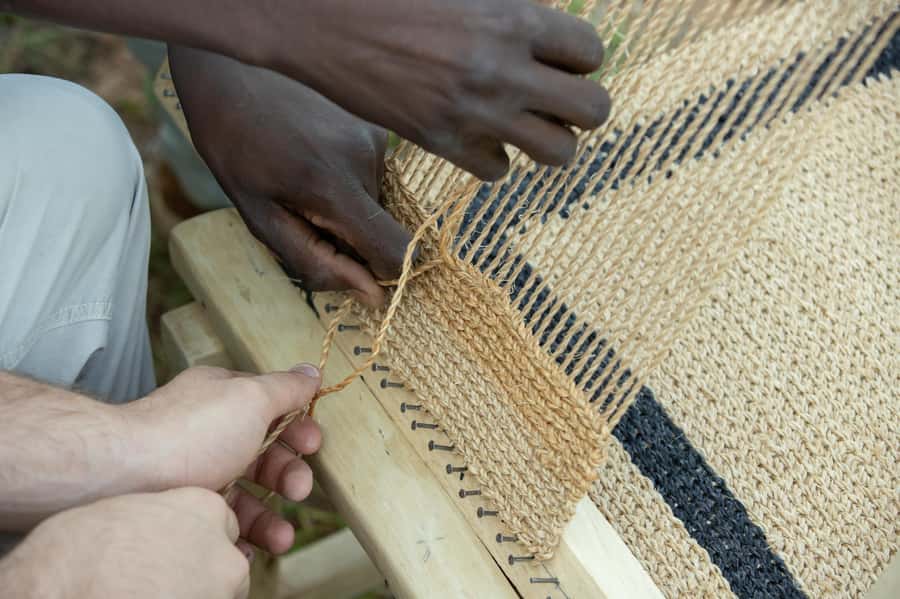
This workshop suits adults and older teenagers who like practical cultural activities. It is open to beginners, so you do not need to know how to weave before arriving. An English-speaking instructor makes it easier to follow the explanation and ask for help.
It is particularly good for you if:
- You want a handmade souvenir with a personal story.
- You enjoy quiet, creative activities.
- You want to meet local artisans in their working environment.
- You are curious about how colors and patterns carry cultural meaning.
- You have enough time to work at an unhurried pace.
- You prefer participating to simply watching.
The stated age limits exclude children under 12 and people over 70. That may reflect the sitting position, hand work, or the pace of instruction. If someone in your group is near those limits, confirm suitability before booking rather than assuming an exception.
I would be cautious about booking it for anyone with a very tight schedule. The listed duration is three hours, but finishing speed varies. A first-time weaver who wants a tidy result may need extra time.
Practical preparation for the studio
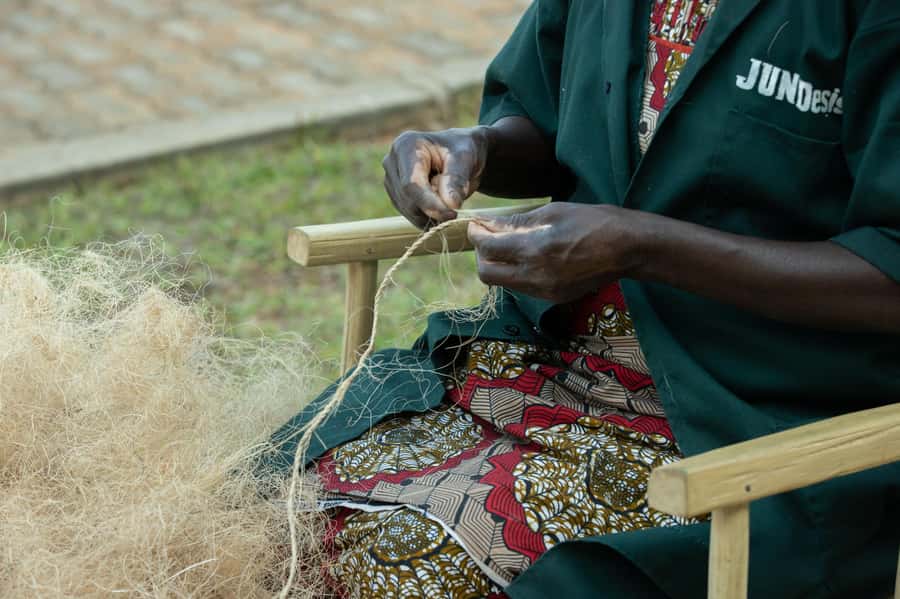
Wear comfortable clothing. You will be handling fiber and tools, so choose something that lets you sit and work without fuss. The workshop supplies everything required, but you may bring a favorite weaving tool if you already have one.
Arrive at least 15 minutes early. That gives you time to settle in and allows the session to begin on schedule. Arriving late could cut into the explanation or your weaving time, which matters when the activity already has a fixed three-hour window.
Bring a camera if you want photographs of the studio, the weaving process, or your finished work. Also bring food and drinks, since refreshments are not provided.
Alcohol and drugs are not allowed. Baby strollers and baby carriages are listed as unsuitable, and children under 12 cannot take part. The activity is conducted in English.
Transport is one of the few practical gaps to sort out before you go. Since hotel transfers are not included, check the exact workshop location and plan how you will reach it and return afterward. The information provided does not identify a group size, so do not assume a private class or a large class. If that matters to you, ask before booking.
The best way to think about the finished carpet
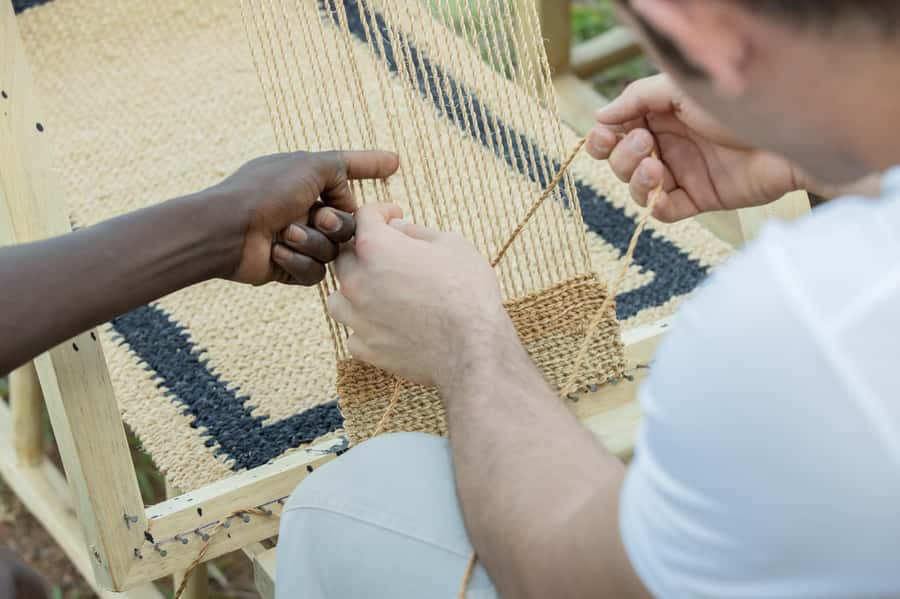
Your mini Ikirago carpet is both a souvenir and a record of the afternoon. It may work as a wall hanging, table mat, or small decorative piece, but the more important value is that you made it with guidance from someone who knows the craft.
I would take a photograph of the completed work before packing it. If you plan to display it at home, ask how it should be handled and whether it needs special care. No care instructions are provided, so avoid assuming that every piece should be washed or folded in the same way.
The handmade nature is part of the charm. Do not judge your first piece against the polished examples in the studio. Those larger works reflect years of practice. Your own carpet should remind you of the process, the patterns you learned about, and the time spent working with the artisans.
Cancellation and flexible planning
You can cancel up to 24 hours before the activity for a full refund. You can also reserve now and pay later, which helps if your Kigali schedule is still changing.
That flexibility is useful here because the workshop works best when you can protect the full three hours. If you are uncertain about transport or other plans, reserve only after checking how long it will take to reach the studio.
The experience has a rating of five from three posted bookings, with one four-star assessment noting that some people may need more than three hours. I would read that not as a serious flaw, but as a clear planning tip: the activity is enjoyable, yet handmade work does not always obey the clock.
Should you book the Kigali Ikirago workshop?
Book it if you want an intimate cultural activity, enjoy learning by doing, and like the idea of taking home something you made yourself. The combination of cultural explanation, traditional technique, artisan guidance, studio access, and views gives the $30 price a fair return.
Skip it if you want a quick demonstration, a large carpet included in the price, or a tightly timed stop between other appointments. It is also not suitable for children under 12 or people over 70 under the stated rules.
For most adults with a free half-day in Kigali, I would book it. Arrive early, bring water, wear comfortable clothes, and leave extra time after the session. The small carpet may be imperfect, but that is exactly what makes it yours.
FAQ
How long does the Ikirago weaving experience last?
The workshop lasts three hours. Since weaving speed varies, allow additional time afterward if you have another appointment.
How much does the activity cost?
The price is $30 per person.
What is included in the price?
The price includes a guided Ikirago carpet-weaving workshop, all required materials and tools, personal instruction from local artisans, and your own mini Ikirago carpet to take home.
What language is the workshop conducted in?
The instructor speaks English, and the activity is offered in English.
Do I need previous weaving experience?
No. The workshop is beginner friendly, and no previous knowledge is required.
Can I take home what I make?
Yes. You take home the mini Ikirago carpet you create. It can be used as a wall decoration, table mat, or for another purpose.
Is transportation from my hotel included?
No. Hotel pickup and drop-off are not included, so you must arrange transportation to and from the workshop location.
What should I bring to the workshop?
Bring a camera, food, and drinks. Wear comfortable clothing. All necessary weaving materials and equipment are provided, though you may bring a preferred weaving tool if you have one.
Just added around Kigali
- From Kigali: 8 Hour Day-trip Lake Kivu Cruise Experience★ 4.5 · 3 reviews
- Kigali City Tour and Sightseeing★ 5.0 · 3 reviews
- 3-Day Rwanda Gorilla Safari★ 4.5 · 3 reviews
- Home staying experience★ 5.0 · 3 reviews
- 2 Days Gorilla Trekking Rwanda★ 5.0 · 3 reviews
- 1 Day Gorilla Trekking Safari in Rwanda Volcanoes National Park★ 5.0 · 3 reviews
- Kigali: Guided City Tour let us learn, enjoy together ❤️★ 3.6 · 3 reviews
- Private Memorial Day Tour Ntarama and Nyamata★ 5.0 · 3 reviews
Kigali Tours, compared.



One-day Akagera National Park Game Drive with a Choice 4×4
Read our review →
Private Full-day Kigali City Tour with Pickup and Lunch
Read our review →


Private 1 Day Akagera Big Five Safari with pick up and lunch.
Read our review →
Mount Kigali and Cultural Village Tour with Snacks
Read our review →Browse the lists this tour appears in