
Reviewed · KIGALI TOURS
Kigali: Traditional Basket Weaving in a Garden
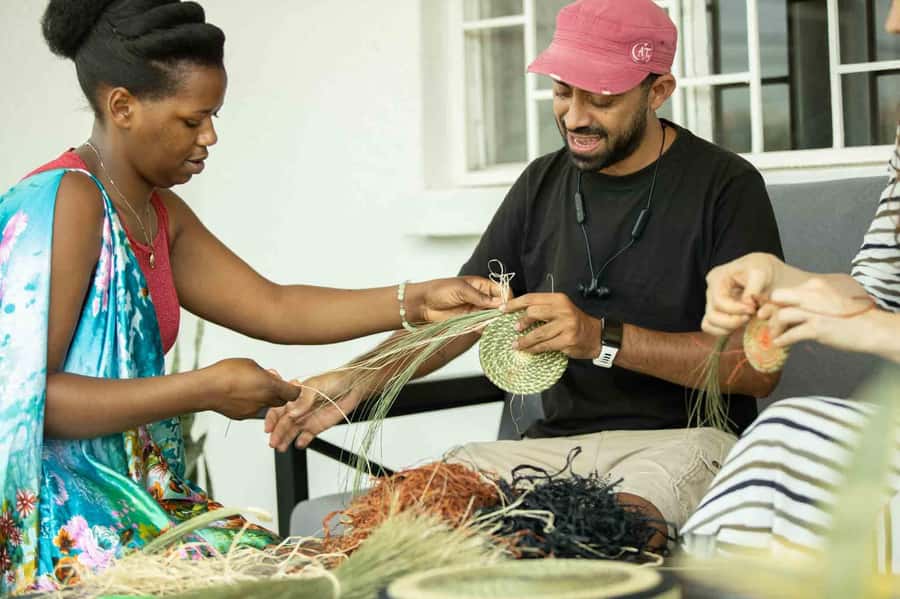
Traditional basket weaving in Kigali turns a simple craft lesson into a friendly meeting with local artisans. You sit in a garden, handle papyrus leaves, and learn why Rwandan baskets carry meaning beyond their good looks. Sandrine is especially patient, and some sessions use a translator when needed.
I like two things here: you make something small enough to finish and pack, and your $30 fee helps support local women and craftspeople. The pace is gentle, with time for conversation, tea, or coffee in a pleasant setting. The drawback is that first-time weavers may produce a coaster or tiny basket rather than the large decorative basket you see in shops.
Key points to know before you book
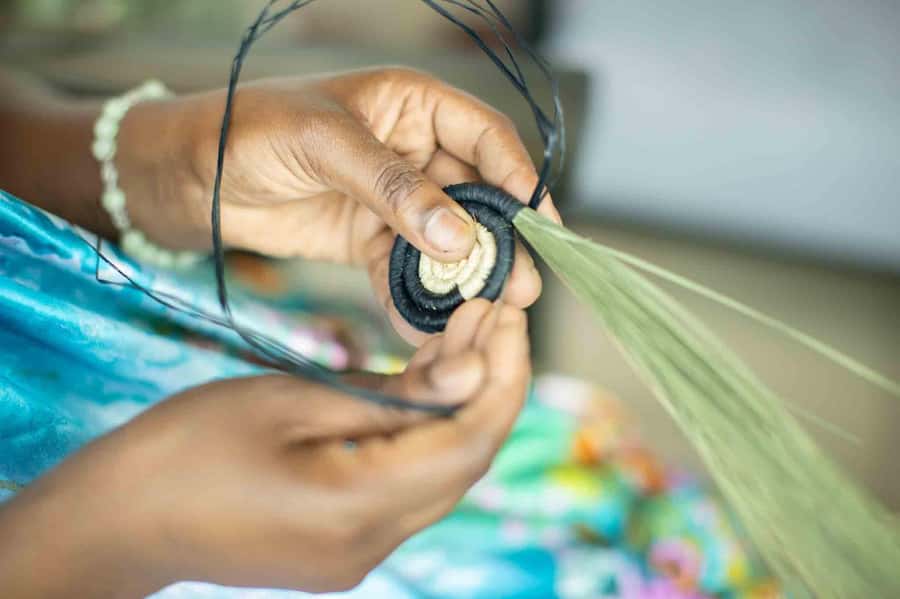
- Make a take-home craft: Most beginners finish a coaster, small bowl, or little basket.
- Learn from local women: The instructors explain both the technique and the place of basket work in Rwandan life.
- Enjoy a garden setting: The workshop takes place in a comfortable outdoor setting, with a coffee shop also associated with some sessions.
- Plan for patient instruction: Sandrine is praised for clear guidance and a calm teaching style.
- Expect cultural conversation: Stories about designs, patterns, and family traditions are part of the session.
- Budget two hours and $30: Transportation and personal expenses are separate.
A Kigali craft lesson with something to take home
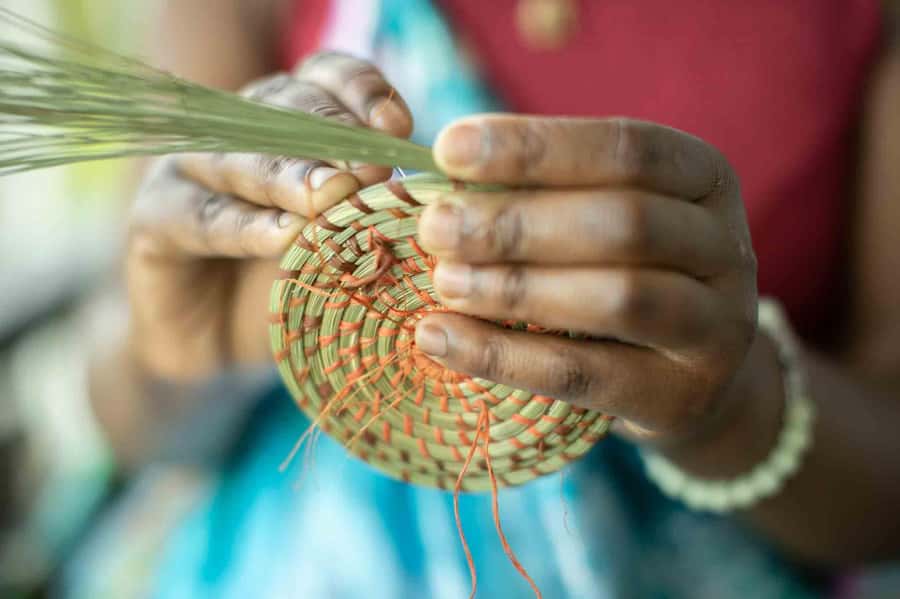
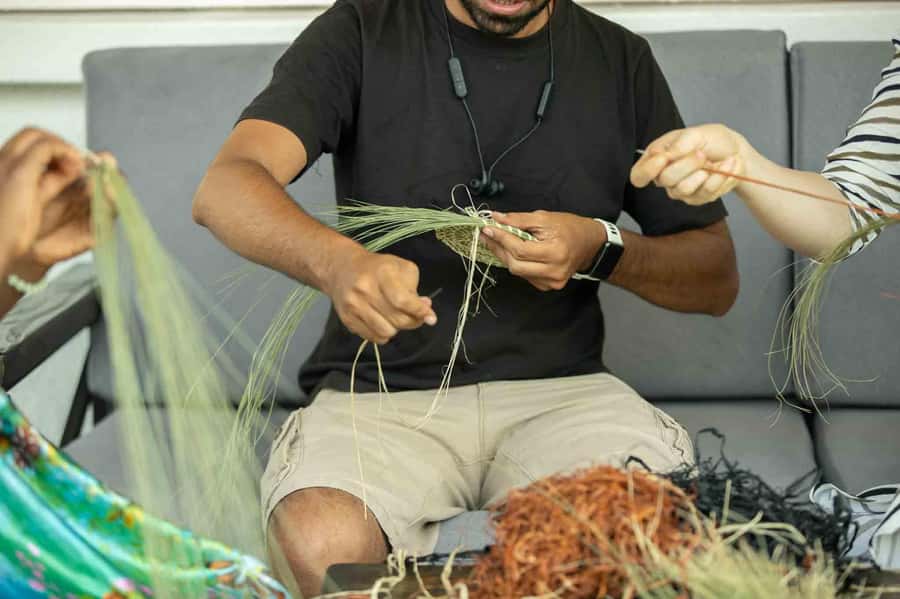
The appeal of this activity is its scale. You are not watching a staged cultural display from a distance. You are given materials, sit beside a Rwandan artisan, and try the same basic motions yourself.
Basket weaving looks easy when a skilled craftsperson works quickly. It is not. You must hold the base steady, keep the strips in order, and maintain even tension as the shape grows. That small struggle is useful. It gives you a better eye for the work sold in Kigali markets and a new respect for the hours behind each finished piece.
The class is designed for beginners. You do not need prior craft experience, and the instructors demonstrate each step before you try it. If your fingers are clumsy at first, that is normal. The purpose is not to produce a flawless museum piece. It is to make a personal souvenir and understand how the object comes together.
More cultural visits around Kigali:
- Kigali: Mount Kigali and Cultural Village Tour with Snacks
★ 4.8 · 62 reviews - Kigali: Traditional Coffee Experience ( Bean to Brew)
★ 4.8 · 54 reviews - Kigali: Choose Your Traditional Craft Experiences
★ 5.0 · 18 reviews
Meeting Sandrine and the local artisans
The session begins with a welcome from local Rwandan artisans. You hear about the tradition, the materials, and the cultural role of basket making before the practical work gets underway.
Sandrine is one of the instructors associated with the workshop. She is described as friendly, skilled, and very patient, which matters when you are learning a craft based on small, repeated movements. She can work much faster than a beginner, so watching her hands for a moment is part of the lesson.
Instruction is available in English and French. A translator may assist during some sessions, especially when the artisan and participant do not share a strong common language. That can slow the rhythm slightly, but it also gives the cultural explanation more room. You are not limited to silently copying hand movements.
I would treat the opening conversation as an important part of the activity, not as filler. The value of the class comes from the contact with the makers. Ask about patterns, materials, and how the skills are passed between generations. The available information does not promise a long formal lecture, so the depth of the storytelling may depend on your questions and the time available.
Papyrus leaves, patterns, and the first weave
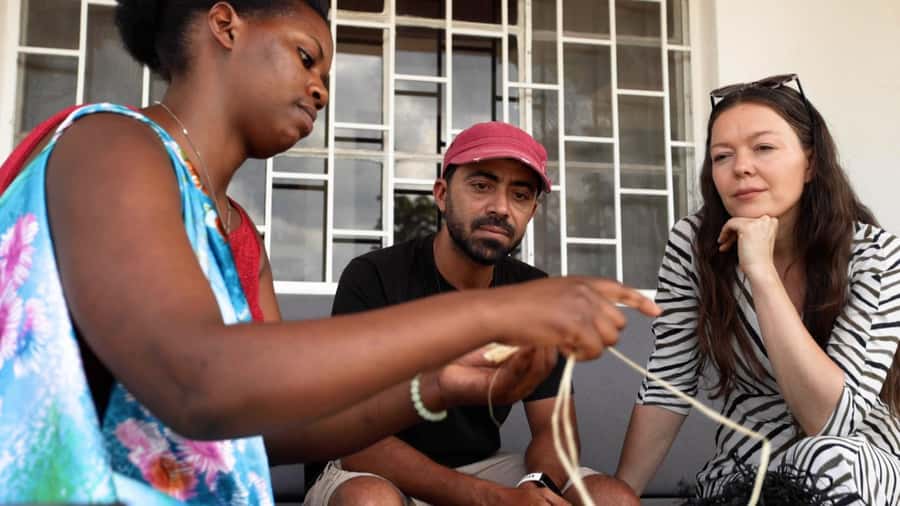
The necessary materials and tools are provided. The information supplied identifies papyrus leaves in connection with the craft, and one completed project was a coaster made from them.
You start with a simple shape rather than attempting a full-size showpiece. Depending on the session, you may make a coaster, a small bowl, or a tiny basket. These projects are sensible choices for a two-hour class because they offer a real finish line. You can see your shape change without spending an entire day on one object.
The basic lesson is about control. You learn how to place and tighten the strips, keep the rows even, and form the sides of the piece. The finished object may be modest, but the process shows why traditional basket work demands skill and patience.
The colors and patterns are part of the appeal. Rwandan baskets are known for strong geometric designs, and the class introduces the meaning and cultural importance attached to designs and patterns. Do not expect to master every decorative technique in one sitting. Instead, use the lesson to understand how a pattern is built and why two baskets that look similar may still reflect different choices.
Why the garden setting matters
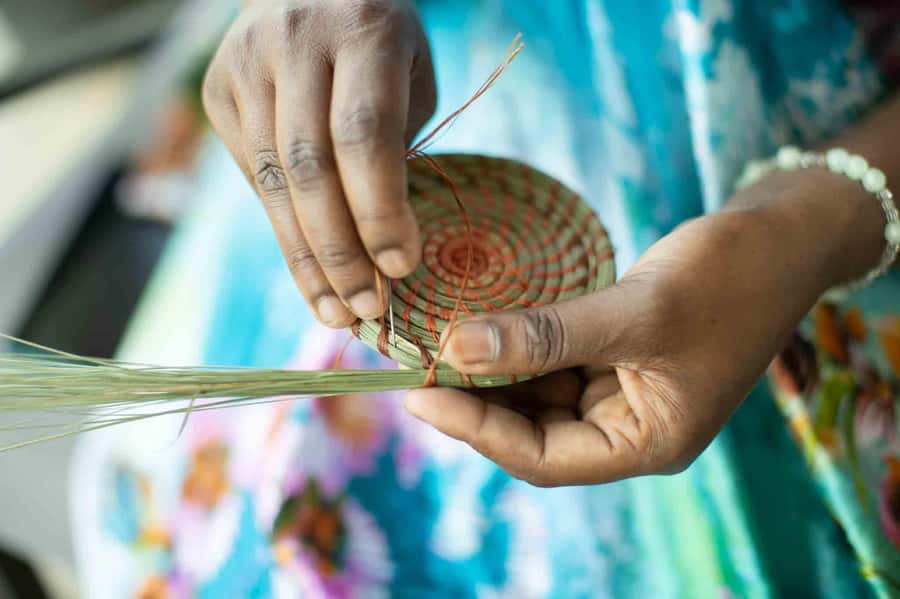
The workshop takes place in a garden in Kigali Province. That setting gives the activity a quiet, social feel and makes it a pleasant break from sightseeing, traffic, or museum interiors.
You sit and work with your hands while talking with the artisans. Several sessions have also taken place at a comfortable coffee-shop setting, where participants could enjoy a drink. Coffee or tea is not presented as a formal inclusion in the activity details, so check the exact arrangement when booking, but the setting is clearly part of the experience’s charm.
The garden also makes this a good option for a slow afternoon. You are not rushing between stops or trying to absorb a long sequence of facts. Two hours gives you enough time to settle in, make mistakes, ask questions, and finish a small piece.
There is one practical qualification. Outdoor settings can feel different depending on weather and the exact location. The supplied information does not give detailed shelter or seating arrangements, so confirm the meeting point and conditions if those details matter to you.
A few more Kigali days to weigh up
- Kigali City Tour
★ 5.0 · 452 reviews - Kigali: Walking Tour with a Local Guide
★ 4.9 · 234 reviews - One-day Akagera National Park Game Drive with a Choice 4×4
★ 5.0 · 105 reviews - Private Full-day Kigali City Tour with Pickup and Lunch
★ 5.0 · 79 reviews
The two-hour rhythm
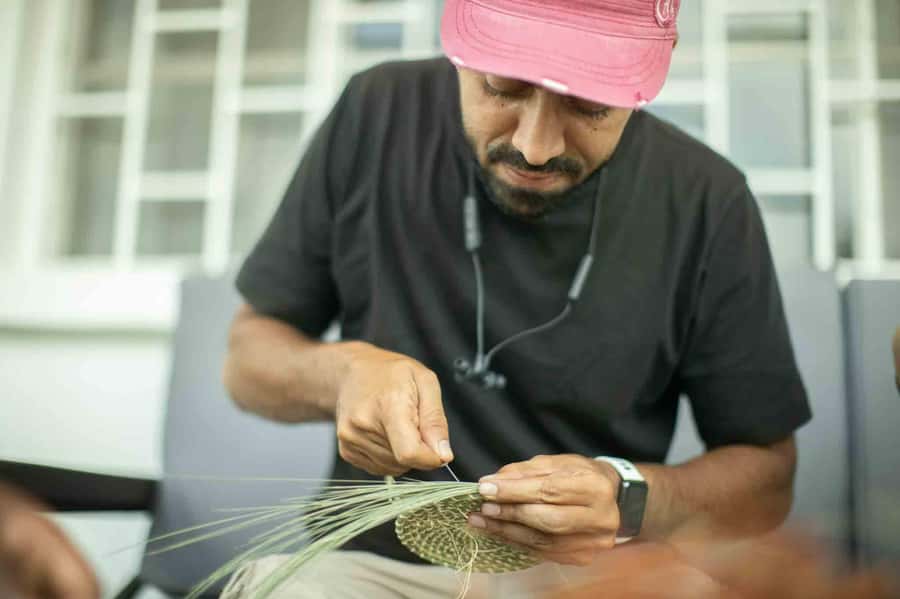
A typical session follows a straightforward pattern:
- You arrive at the activity location and meet the local artisans.
- The instructor explains the background and cultural importance of basket weaving.
- Materials and tools are handed out.
- You watch a demonstration of the basic weaving method.
- You work on your own coaster, bowl, or small basket with guidance.
- You talk with the artisans as you continue weaving.
- You finish the item and take it home.
The timing is flexible enough for instruction. In one session, the instructors allowed extra time so participants could finish their work. That is a welcome sign for beginners, though you should still plan around the stated two-hour duration rather than assume every class will run over.
Two hours passes quickly because the work is repetitive but not passive. You are always doing something: sorting strips, holding the base, checking the pattern, or asking for help. If you want a large basket, a broad design lesson, or a full course in Rwandan craft, this activity will feel too short. If you want a manageable introduction, the length is about right.
What you will probably make
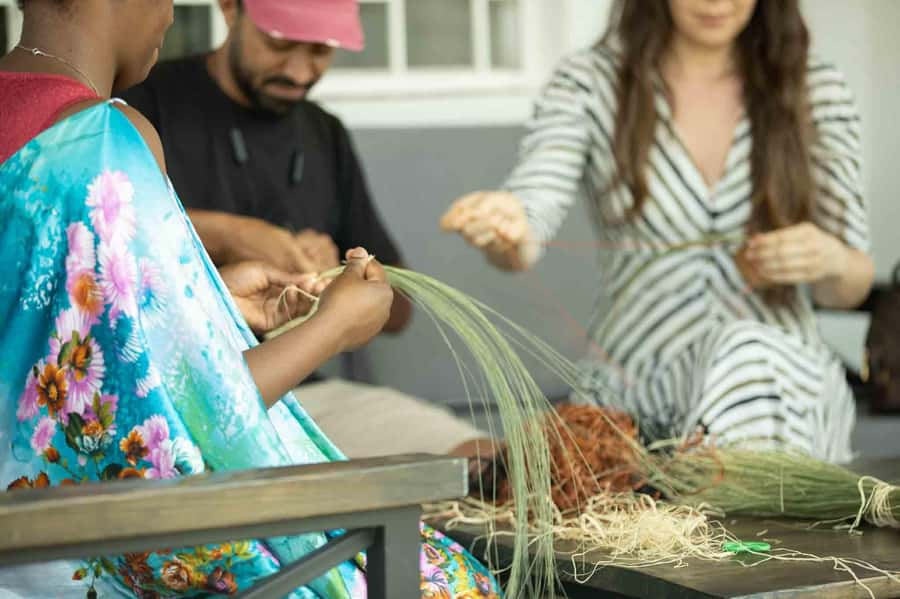
The most realistic goal is a small piece you can carry home. Coasters and little bowls are common outcomes, while some participants finish a small basket.
That size is a plus for anyone moving on to another destination. A large woven piece can be awkward in a suitcase, while a coaster or small bowl slips easily into your luggage. The object also has a story attached to it. You will remember the setting, the people who helped you, and the first uneven rows far more clearly than another generic souvenir.
Do not judge your result against the instructor’s work. The artisans weave quickly and with remarkable control because they have practiced for years. Your piece may have uneven edges or a less regular pattern. That is part of learning, not a sign that the class failed.
If you are traveling with a group, the different results can be fun to compare. One person may make a coaster while another produces a bowl. The activity works for mixed skill levels because the project can be kept simple and the instructor can provide help as needed.
Cultural value beyond the craft
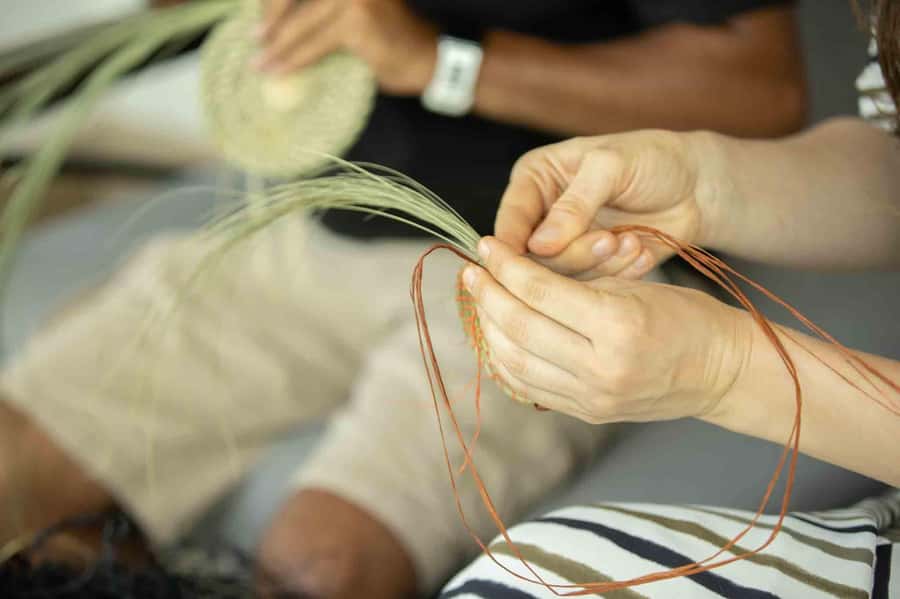
A basket is useful, decorative, and often symbolic. The activity explains the ideas carried by patterns and designs, giving you more context than a quick purchase at a market stall.
The social side matters just as much. You spend time with women who keep these skills in use and earn income from their craft. The activity is set up to support local communities economically, and the fee goes toward local artisans and craftspeople. For me, that makes the $30 price easier to assess. You are paying for instruction, materials, a two-hour activity, and a direct connection with makers, not simply buying an object.
The experience also avoids one common problem with cultural activities: the visitor only watches while the local person performs. Here, you try the work yourself. You gain a small understanding of the labor and patience involved, while the instructor remains the expert.
The cultural discussion may be brief rather than academic. One participant wanted more stories and music during the weaving. That is a fair consideration. If you want constant narration or a highly structured history lesson, you may find the conversation light. If you prefer informal talk while working, the balance should suit you.
Is $30 good value?
At $30 per person, this is not the cheapest way to buy a basket in Kigali. It can still be good value if you want instruction and a meaningful souvenir rather than a finished product alone.
The price includes the welcome, hands-on teaching, materials, tools, and cultural storytelling. Transportation to and from the location is not included, so add that cost when planning your afternoon. Personal expenses are also separate.
I see the strongest value in the local connection. You are helping support women and craftspeople while learning directly from them. The small finished item is a bonus, not the whole reason to book.
The value is weaker if you are only interested in shopping or if you dislike hands-on activities. You may spend much of the two hours repeating basic movements, and there is no promise that you will finish a large or highly polished basket.
Who should book this Kigali activity?
I would recommend it to:
- First-time visitors who want a cultural activity with real participation
- People who enjoy crafts, design, and handmade objects
- Couples, friends, and small groups looking for a calm shared activity
- Families or mixed groups who can manage a two-hour seated workshop
- Visitors who want a light souvenir that fits in their luggage
- Anyone who wants their spending to support local artisans
It is less suitable for someone who wants a fast sightseeing stop, a large finished basket, or a formal museum-style presentation. It may also not be suitable for people with food allergies, according to the activity information. Since food is not described as part of the workshop itself, ask the provider about the setting if that warning affects your plans.
Men should feel comfortable booking, too. One participant was the only man in the group and still enjoyed the class and made a coaster. The point is the craft, not who normally practices it.
Practical planning for your Kigali day
The activity lasts two hours, and starting times depend on availability. Set aside extra time for getting to the location because transport is not included.
The instructors speak English and French. If you need language support, check how that will be handled when you reserve. A translator has been used in some sessions, allowing participants to follow both the practical lesson and the cultural explanation.
Wear something comfortable for a seated activity and keep your hands free for the materials. The supplied details do not specify a dress code or special equipment, and all tools needed for the weaving are provided.
You can cancel up to 24 hours before the activity for a full refund. The reserve-now, pay-later option is useful if your Kigali schedule is still shifting. Those policies are practical, but the main booking decision comes down to whether you want to spend two quiet hours making something with local guidance.
Should you book the basket-weaving workshop?
Book it if you want a personal Kigali memory, a small handmade souvenir, and time with local artisans. The patient teaching, garden setting, and chance to support Rwandan women make this more worthwhile than a simple craft demonstration.
Choose another activity if you want grand sights, a packed schedule, or a finished basket with no effort. Your own piece may be small and imperfect. That is exactly why the class works: you leave with an object that records your attempt, not just a purchase made in a hurry.
FAQ
Where does the basket-weaving activity take place?
It takes place in Kigali Province, Rwanda, in a garden setting. Some sessions have also been held at a comfortable coffee-shop location.
How long does the workshop last?
The activity lasts two hours.
How much does the experience cost?
The price is $30 per person.
What does the price include?
The fee includes an introduction and welcome from local Rwandan artisans, the hands-on workshop, all required materials and tools, cultural information, and storytelling.
Is transportation included?
No. Transportation to and from the activity location is not included.
What can I make during the workshop?
You may make a coaster, small bowl, or small basket, depending on the session and your progress.
Which languages are available?
Instruction is available in English and French. A translator may also assist during some sessions.
Can I take my finished craft home?
Yes. The finished item is intended to be taken home as a souvenir.
Can I cancel the booking?
Yes. You can cancel up to 24 hours in advance for a full refund. You can also reserve now and pay later.
Just added around Kigali
- Kigali City Tour and Sightseeing★ 5.0 · 3 reviews
- From Kigali: 8 Hour Day-trip Lake Kivu Cruise Experience★ 4.5 · 3 reviews
- 3-Day Rwanda Gorilla Safari★ 4.5 · 3 reviews
- Home staying experience★ 5.0 · 3 reviews
- 2 Days Gorilla Trekking Rwanda★ 5.0 · 3 reviews
- 1 Day Gorilla Trekking Safari in Rwanda Volcanoes National Park★ 5.0 · 3 reviews
- Kigali: Guided City Tour let us learn, enjoy together ❤️★ 3.6 · 3 reviews
- Private Memorial Day Tour Ntarama and Nyamata★ 5.0 · 3 reviews
Kigali Tours, compared.



One-day Akagera National Park Game Drive with a Choice 4×4
Read our review →
Private Full-day Kigali City Tour with Pickup and Lunch
Read our review →


Private 1 Day Akagera Big Five Safari with pick up and lunch.
Read our review →
Mount Kigali and Cultural Village Tour with Snacks
Read our review →Browse the lists this tour appears in