
Reviewed · KIGALI TOURS
Specialty Coffee Masterclass
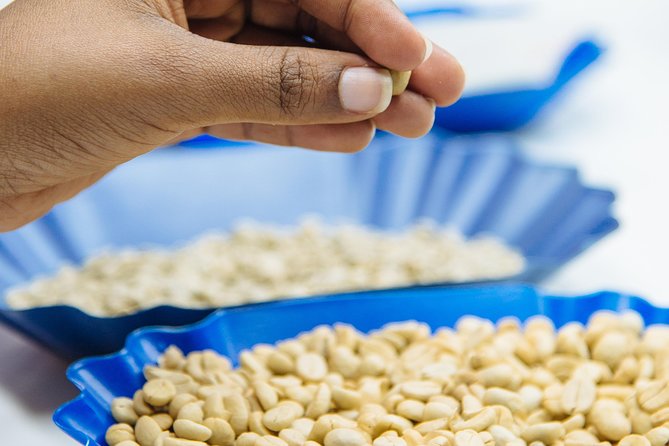
Rwanda’s coffee story becomes much clearer when you can hold the fruit, smell several beans, and taste the difference between growing regions in one sitting. At Question Coffee Gishushu, the two-hour masterclass moves from a short history lesson to cherry picking, guided tasting, and your own custom blend.
I like the direct access to local coffee farming and the small group size, capped at 12 people. I also like that the class ends with something useful: a bag of beans mixed to match your preferred flavor. The main consideration is simple: if you do not care much about coffee, the tasting language and repeated sampling may feel more detailed than necessary.
Key points at a glance
- Pick coffee cherries on the grounds: You do not only hear about harvest work. You handle the fruit yourself.
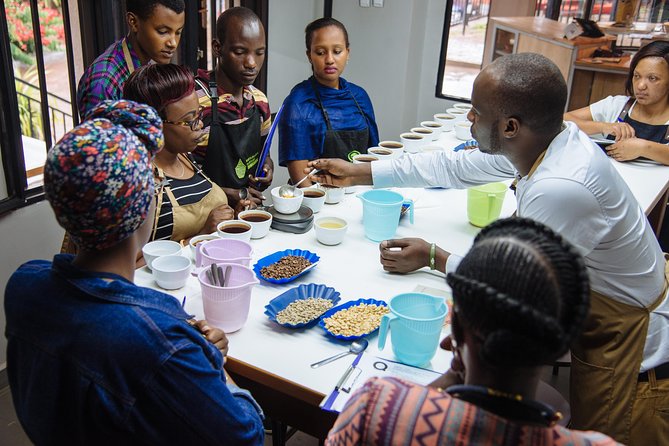
- Taste five Rwandan coffees: The class compares aroma, flavor, aftertaste, acidity, and mouthfeel.
- Build a personal blend: Your favorite coffee becomes the basis for a take-home bag.
- Meet the supply chain in one place: The class links farming, processing, tasting, and drinking without requiring a trip outside Kigali.
- Small groups help: With no more than 12 people, guides can explain the tasting process and answer questions.
- Plan around two hours: The session is focused and manageable alongside other Kigali plans.
Starting at Question Coffee Gishushu in Kigali
You meet at Question Coffee Gishushu, at 8 KG 8 Ave in Kigali. The location is near public transportation, which makes this one of the easier cultural activities to fit into a day in the city.
The setting matters because the class does not begin with a generic coffee lecture in an ordinary room. You have access to coffee plants on the grounds, so the talk about harvesting has a physical reference right in front of you. That connection helps you understand what the bright red coffee cherry actually is before it becomes a roasted bean in your cup.
I would arrive ready to listen and taste, rather than expecting a long farm visit. This is a cafe-based masterclass with coffee plants and harvest activity on site. It gives you a compact introduction to the supply chain, not a full working plantation tour.
The small group limit is one of the better practical features. Twelve people is still large enough for a social class, but it should allow time for questions and individual tasting notes. The listed price is $50 per person, so the value depends on your interest. For a serious coffee drinker, you are paying for instruction, several samples, cherry picking, and a custom bag to take home. For someone who only wants a quick cup, it is a more expensive way to spend two hours.
More coffee experiences around Kigali:
- Kigali: Traditional Coffee Experience ( Bean to Brew)
★ 4.8 · 54 reviews - Women-led Coffee Farm Trek
★ 5.0 · 19 reviews - Full Day Shared Akagera Safari Tour with Lunch and Coffee
★ 5.0 · 15 reviews
A short lesson on Rwanda’s coffee story
The first part covers the history of coffee and how it is grown. This is not background for background’s sake. It gives you a basic map of the process before you start comparing flavors.
Coffee can seem like a finished product when you see it in a cafe. Here, you get a clearer sense of the work behind it, from the plant and fruit to the beans used for roasting and brewing. The class also introduces growing regions in Rwanda, which gives the tasting a local frame instead of treating every coffee as interchangeable.
Guides named in the class feedback include Patty, Patrice, and Keziah. Patrice is described as easygoing and able to explain the subject in clear English. Keziah is noted for making the session both fun and well informed, while Patty is described as strong on the history, production, tasting, and smelling portions.
Because different guides may lead different sessions, the tone could vary slightly. The core structure remains clear: learn how coffee is grown and produced, then use your senses to work out what you prefer.
Picking cherries from the coffee plants
The hands-on part begins when you harvest coffee cherries from the trees in the garden. This is a small activity, but it changes the way you think about your morning drink. The coffee bean is not pulled from a bag or found inside a dry pod. It begins as the seed inside a fruit.
You will pick the cherries yourself and learn how they are grown and harvested. The activity is not presented as hard farm labor, and the information does not suggest a full day of agricultural work. Think of it as a short, useful look at one step in the chain.
I like this part because it breaks up the seated instruction. You are not simply being told that coffee is an agricultural product. You are looking at the plant and touching the fruit. For children and adults who learn best by doing, this may be the most memorable section.
There is also a limit to what this can show you. Picking cherries on the cafe grounds cannot replace visiting a large coffee-growing area or seeing every stage of commercial processing. Still, it gives the rest of the class a real starting point.
Smelling and tasting five Rwandan coffees
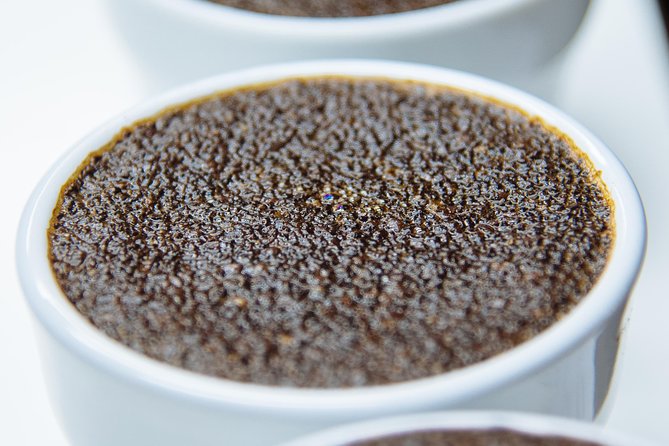
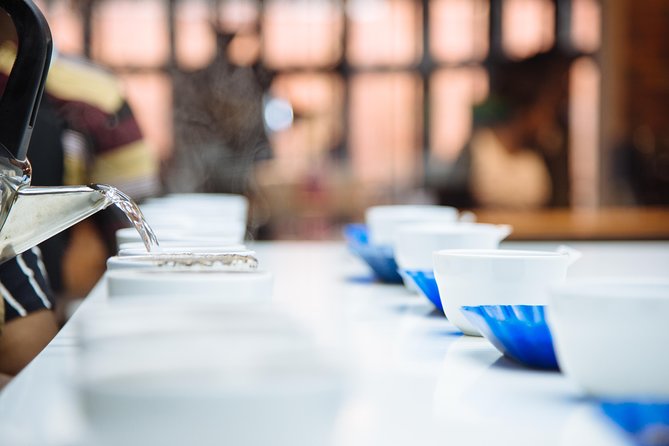
The tasting is the heart of the masterclass. You sample four or five coffees from different parts of Rwanda, with five mentioned in the most detailed account of the session. The goal is not simply to decide which cup tastes good. You learn to look at aroma, flavor, aftertaste, acidity, and mouthfeel.
Those terms can sound like coffee-shop jargon until someone explains how to use them. Aroma asks what you notice before and during the sip. Flavor covers the main character of the coffee. Aftertaste is what stays with you once you swallow. Acidity refers to the lively, sharp quality in the cup, not necessarily an unpleasant sourness. Mouthfeel describes the weight and texture.
You rate the coffees across those traits and compare them. This makes the class useful for anyone who has struggled to describe coffee beyond strong or mild. It also gives you a better way to choose beans later in the trip.
The tasting is not a contest with a right answer. Your preferred coffee may not be the one with the most dramatic aroma or highest acidity. That is the point of the exercise. You learn what suits your own palate, then use that choice for the final blend.
I would avoid drinking a large amount of coffee before the class. The exact serving details are not provided, but several samples can add up quickly. If you are sensitive to caffeine, keep that in mind when deciding how the class fits into your day.
A few more Kigali days to weigh up
- Rwandan Coffee Experience
★ 5.0 · 10 reviews - Painting with Delicious Coffee
★ 5.0 · 9 reviews - Local Community Tour(Cultural, Coffee,Village walk,Local food)
★ 5.0 · 8 reviews - Private Half-Day Guided Kigali City Tour with Coffee Break Included
★ 5.0 · 6 reviews
Creating a blend that matches your palate
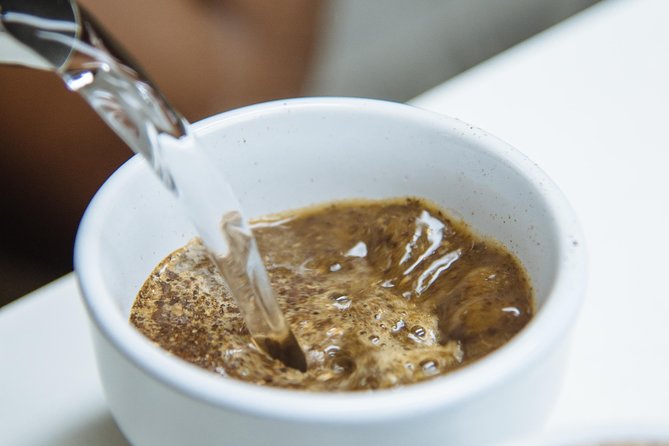
After tasting, you create your own blend. This gives the final section a personal purpose. Instead of buying a standard souvenir selected by someone else, you identify the coffee you liked most and use it as the basis for a custom mix.
You also receive a bag of coffee beans to take home. The amount and packaging details are not specified, so I would treat it as a welcome extra rather than assume it is a large retail bag.
This part adds value to the $50 cost. A tasting alone can be enjoyable, but the take-home coffee lets you repeat part of the experience after leaving Kigali. You can remember which aroma, acidity, or mouthfeel worked best for you and compare that memory with the finished blend.
The custom blend also makes a good gift, though I would choose it for someone who actually drinks coffee. It is not a general souvenir in the way a small craft or postcard might be.
Why the small group size matters
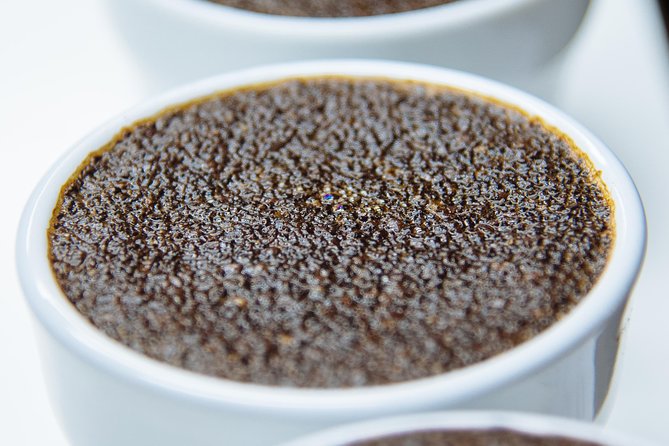
The class is limited to 12 people. That number is worth noting because tasting instruction works better when you can ask questions and hear the guide explain differences in plain terms.
A large group can turn a sensory lesson into a queue of samples. Here, the smaller format should make it easier to discuss what you smell and taste. The guides named in the class information, including Patty, Patrice, and Keziah, are associated with an approachable teaching style rather than a formal lecture.
The format should also suit friends who want a shared activity. You can compare choices, but each person still makes an individual decision about the final blend. Solo visitors may find the coffee focus gives them an easy way to meet people without needing a full-day group excursion.
Still, the class is not private. Twelve is a maximum, not a promise that every session will have only a few people. If personal instruction is your top priority, ask about the group size when your booking is confirmed.
Getting value from a $50 Kigali activity
At $50 per person, this is not a bargain cafe tasting. It earns its price through the range of elements packed into about two hours: a history lesson, growing and harvesting information, cherry picking, several coffees, sensory instruction, and a custom blend with beans to take home.
I see the strongest value for people who already enjoy coffee or want to understand Rwanda through one of its important products. You are not just buying drinks. You are paying for a guided explanation of how coffee moves from plant to cup, plus a practical tasting method you can use later.
The value is weaker if you expect a broad tour of Rwanda’s farming country. The class stays at the Gishushu meeting point and does not include a trip to distant coffee-growing districts. It is also not a roasting course, and the supplied details do not promise instruction on brewing methods.
That narrow focus can be a benefit. You do not lose half a day to transport, and you can pair the class with other Kigali sights. I would see it as a focused city activity, not a substitute for a countryside farm visit.
Who should book this coffee masterclass?
I would recommend it to:
- Coffee drinkers who want to identify the flavors they actually like
- Visitors interested in Rwanda’s farming and export culture
- People who prefer hands-on activities to ordinary sightseeing
- Couples, friends, and families who can enjoy a guided tasting together
- Anyone looking for a compact Kigali activity lasting about two hours
- Shoppers who want coffee beans with a personal story attached
I would think twice if you dislike coffee, avoid caffeine, or want a large outdoor adventure. The class includes garden cherry picking, but its main work happens through listening, smelling, tasting, and comparing.
It may also be less suitable for someone who wants a completely private lesson. The group can reach 12 people, and the format is designed as a shared class.
Booking, timing, and practical details
Confirmation is sent within 48 hours of booking, subject to availability. The class is commonly booked about 14 days ahead, so I would reserve early if your Kigali schedule is fixed.
You receive a mobile ticket, and the activity begins and ends at Question Coffee Gishushu. Since it is near public transportation, you have a practical alternative to arranging a private vehicle, though the supplied details do not specify exact travel times from other parts of Kigali.
The listed health rules require negative COVID-19 test results and a mask. Check the current requirements when booking, since health rules can change.
Free cancellation is available if you cancel at least 24 hours before the local start time. Cancellations or changes made inside that window are not refunded or accepted.
My verdict on the Question Coffee class
You should book this experience if coffee is part of the reason you want to understand Rwanda. The strongest features are the clear farm-to-cup structure, the chance to pick cherries, the guided comparison of several Rwandan coffees, and the custom bag you take home.
I especially like that the class gives you a way to describe your own taste instead of simply telling you which coffee is best. At $50, it is a considered purchase, but the price makes sense for a coffee-focused visitor who values instruction and a personal souvenir.
Skip it if you want a full plantation visit, a long countryside outing, or a broad tour of Kigali. For a compact, hands-on introduction to Rwandan coffee, this is a well-focused choice with enough tasting and practical detail to make the two hours worthwhile.
FAQ
Where does the Specialty Coffee Masterclass begin?
The class begins at Question Coffee Gishushu, 8 KG 8 Ave, Kigali, Rwanda.
Where does the activity end?
The activity ends back at the meeting point at Question Coffee Gishushu.
How long does the masterclass last?
The class lasts approximately two hours.
How much does the experience cost?
The listed price is $50 per person.
How many people can join the class?
The activity has a maximum group size of 12 people.
Do I get to pick coffee cherries?
Yes. The class includes picking coffee cherries from coffee trees in the garden on the grounds.
How many coffees will I taste?
The class includes tastings of four or five Rwandan coffees. The detailed tasting description refers to five coffees.
What do I learn during the tasting?
You learn to assess aroma, flavor, aftertaste, acidity, and mouthfeel.
Do I receive coffee to take home?
Yes. The class includes a bag of beans mixed from the coffee you enjoyed most.
Is cancellation free?
Yes, if you cancel at least 24 hours before the experience start time. Cancellations made less than 24 hours in advance are not refunded.
Just added around Kigali
- Kigali City Tour and Sightseeing★ 5.0 · 3 reviews
- From Kigali: 8 Hour Day-trip Lake Kivu Cruise Experience★ 4.5 · 3 reviews
- 3-Day Rwanda Gorilla Safari★ 4.5 · 3 reviews
- Home staying experience★ 5.0 · 3 reviews
- 2 Days Gorilla Trekking Rwanda★ 5.0 · 3 reviews
- 1 Day Gorilla Trekking Safari in Rwanda Volcanoes National Park★ 5.0 · 3 reviews
- Kigali: Guided City Tour let us learn, enjoy together ❤️★ 3.6 · 3 reviews
- Private Memorial Day Tour Ntarama and Nyamata★ 5.0 · 3 reviews
Kigali Tours, compared.


One-day Akagera National Park Game Drive with a Choice 4×4
Read our review →
Private Full-day Kigali City Tour with Pickup and Lunch
Read our review →

Private 1 Day Akagera Big Five Safari with pick up and lunch.
Read our review →
Mount Kigali and Cultural Village Tour with Snacks
Read our review →Browse the lists this tour appears in