
Reviewed · RWANDAN COFFEE EXPERIENCES
Tea and coffee tours
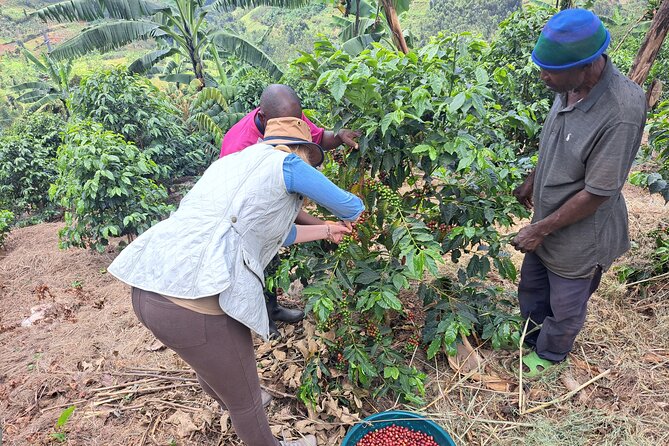
The most interesting part of this Gisenyi coffee and tea tour is the chance to see production from the farm side, not just sip the finished drink. You can learn how local crops move from harvesting through processing and packaging, with Lake Kivu providing the setting. I like the small maximum group of eight and the included lunch, which give the outing a more personal feel.
I also like that the experience can connect coffee or tea with the wider Lake Kivu area. A possible drawback is that the transport details need careful checking: pickup is offered, yet private transportation is not included, and the exact farm or station visited is not fully specified.
Key points to know before booking
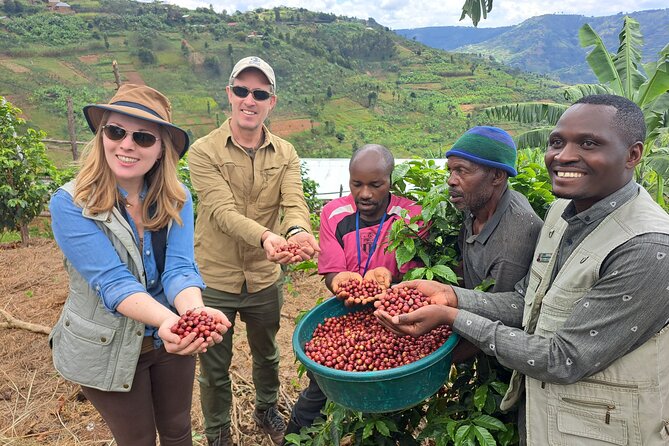
- Tea and coffee are both part of the offering: Ask which crop your visit will focus on before you pay.
- Kinunu may be the coffee highlight: A guided visit to the Kinunu Coffee Washing Station has included boat pickup from a lodge in Kigufi, Gisenyi.
- Lake Kivu adds a scenic setting: The lake sits between Rwanda and the Democratic Republic of the Congo and connects to the Ruzizi River.
- The tour lasts about three hours: The 8:00 am start leaves much of the day free for other Gisenyi plans.
- Lunch and bottled water are included: That improves the value of the $80.70 price.
- The group is capped at eight: This should make questions and conversation easier than on a large coach outing.
Why a farm visit adds something to your Rwanda trip
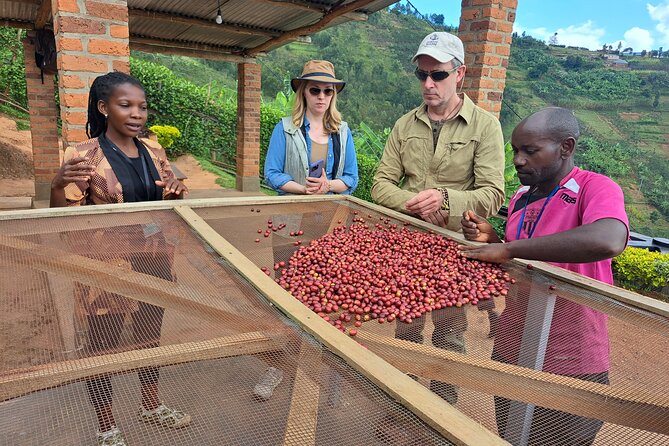
Coffee is part of daily life across much of the world, but a cup usually hides the work behind it. This outing lets you see that process in Rwanda, where farming, washing, preparation, and packaging become part of the story.
I like tours that explain how a product is made because they give a place more meaning. After this visit, coffee or tea is no longer just a drink on a breakfast table. You have a clearer sense of the people and steps behind it.
The experience is also a useful change of pace from Rwanda’s better-known wildlife activities. The company name may suggest gorilla trips, but this tour offers something different: local agriculture, a working production site, and time around Lake Kivu.
The available information covers both tea and coffee, so you should confirm the exact version when booking. The description centers on a Rwandan coffee farm, while the strongest details also include a tea visit and the Kinunu Coffee Washing Station. That may mean the exact stop varies by date, season, or arrangement.
More coffee experiences around Rwanda:
- Kigali: Traditional Coffee Experience ( Bean to Brew)
★ 4.8 · 54 reviews - Specialty Coffee Masterclass
★ 5.0 · 33 reviews - Women-led Coffee Farm Trek
★ 5.0 · 19 reviews
Starting at 8:00 am in Rubavu
The activity begins at 8:00 am in Rubavu, the city area commonly associated with Gisenyi. An early start makes sense here. You get the main visit done before the day fills with other plans, and you still have time for Lake Kivu activities later.
Pickup is offered, but the information also says private transportation is not included. Treat that as a point to settle before departure. Ask where you will be collected, what transport is being used, and if the pickup applies to your hotel or only to a stated meeting point.
One previous arrangement included boat pickup from a lodge in Kigufi, Gisenyi, for a trip to Kinunu. That is a useful detail if you are staying near the water, but it should not be treated as a guarantee for every booking. Confirm it directly with Beyond the Gorillas Experience.
The activity ends back at the meeting point. That makes planning easier, but it also means you should leave enough time afterward to return to your hotel or continue sightseeing.
Learning the work behind Rwandan tea
The tea portion focuses on the process from harvesting to packaging. That broad path is the heart of the visit. You are not only looking at rows of plants or drinking a sample. You are being shown how the crop changes as it moves through the working system.
A guide can help you notice details that are easy to miss on your own. You might learn how tea is collected, what happens after it leaves the field, and how it is prepared for packing. The supplied information does not name the guide or list every stage, so the exact explanation will depend on the visit.
The setting also matters. A farm visit gives you a closer look at local work than a standard city stop. You can ask questions, see the production setting, and connect the finished package with the people and place that produced it.
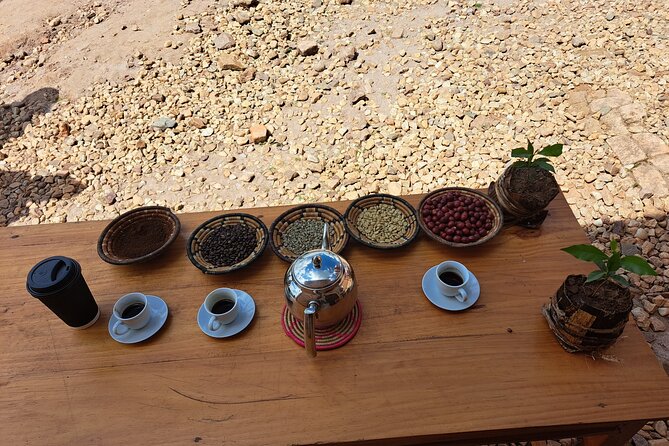
The main limitation is that the tour does not promise a fixed tea facility, a tasting menu, or a specific number of samples. If tasting is important to you, ask before booking. The confirmed strength of the tour is the explanation of the production process.
Visiting the Kinunu Coffee Washing Station
For coffee-focused bookings, Kinunu is the most specific site connected with the experience. A washing station is a place where coffee cherries are handled after harvest, so this stop can help you understand the stage between farm work and the final roasted drink.
The visit has included a guided tour of the Kinunu Coffee Washing Station. One arrangement involved a boat ride from Kigufi in Gisenyi, followed by the station visit. That combination could make the outing feel more like a small regional trip than a simple drive to a nearby farm.
Do not assume the boat ride is part of every departure. The general details list pickup, bottled water, lunch, and a meeting point, but they do not specifically promise boat transport. Ask the operator if Kinunu is on your itinerary and how you will reach it.
The coffee stop should suit you if you want practical detail rather than a polished café presentation. You can expect the emphasis to be on production and local operations. The information does not confirm roasting, cupping, retail shopping, or a formal tasting, so do not book it expecting a full specialty-coffee workshop.
A few more Rwanda days to weigh up
- Full Day Shared Akagera Safari Tour with Lunch and Coffee
★ 5.0 · 15 reviews - Lake Kivu Trip with a Hike and Coffee plantation experience
★ 5.0 · 11 reviews - Rwandan Coffee Experience
★ 5.0 · 10 reviews - Painting with Delicious Coffee
★ 5.0 · 9 reviews
Lake Kivu gives the outing a wider sense of place
Lake Kivu is more than a backdrop. It is one of Africa’s Great Lakes, lying along the border between Rwanda and the Democratic Republic of the Congo. It sits in the Albertine Rift, the western branch of the East African Rift, and drains through the Ruzizi River toward Lake Tanganyika.
Those facts make the location worth noticing during the transfer or any lake-side portion of the outing. You are seeing a major geographic feature tied to the region, not an isolated farm with no connection to its surroundings.
The exact itinerary lists Lake Kivu as the stop, but it does not give a detailed schedule for sightseeing there. You should not expect a separate lake cruise or a long guided geology lesson unless the operator confirms one. The lake is best understood as part of the setting and route.
I like this combination because it links agriculture with geography. Tea and coffee are grown and processed by people working in a particular environment. Lake Kivu helps place that work within Rwanda’s western region.
What the three-hour schedule means
About three hours is enough for a focused introduction, but not enough for a full-day agricultural study. You will likely get an overview of the farm or station, an explanation of the main production steps, and time to ask questions or take in the surroundings.
The short duration is useful if your Rwanda schedule is tight. You can fit the outing into a morning and still have the afternoon for Gisenyi, the lake, or other plans. It is also a sensible choice if you want one local activity without committing an entire day.
The tradeoff is depth. The supplied details do not promise long field walks, several farm visits, or extensive hands-on work. If you want to follow every stage in detail, you may find the time brief.
The 8:00 am start is fixed in the information provided. Plan around it rather than assuming a flexible departure. Since weather can affect the activity, it is also wise to keep your schedule adaptable.
Price, lunch, and the real value
The price is $80.70 per person. That is not a bargain-basement local stop, so value depends on what is included and how the transport is arranged.
Bottled water and lunch are included. Those items matter on a morning outside the city, especially if your visit involves time at a farm or station. You are not left to arrange a meal during a short three-hour program.
The group limit of eight is another part of the value. A small group usually gives you more room to ask about harvesting, processing, and packaging. It also avoids the slow pace and limited access that can come with a large bus group.
Transport is the unclear part of the calculation. Pickup is offered, but private transportation is listed as not included. If the $80.70 price excludes your transfer, the final cost may be higher. Get the meeting and transport plan in writing before booking.
For you, the tour is likely worthwhile if you value a guided local activity, lunch, a small group, and a clear look at tea or coffee production. It is less attractive if you only want a quick drink tasting or a guaranteed boat trip.
Who will enjoy this experience most
I would recommend this outing to you if you enjoy seeing how everyday products are made. It suits curious visitors who want a human-scale activity alongside Rwanda’s larger sights.
It is also a good fit for couples, families, and small groups who prefer conversation over a crowded tour. The maximum of eight gives the guide a better chance to respond to individual questions.
Coffee fans should ask for the Kinunu option. Tea drinkers should confirm the tea-focused itinerary and ask what portion of the visit covers harvesting and packaging.
You may want to skip it if your only priority is a formal tasting session, a long farm walk, or a fully fixed transport program. Those details are not guaranteed in the information provided.
Practical booking advice for Gisenyi
Confirmation is sent at booking, and most people can participate. The activity requires good weather. If poor weather forces cancellation, you can take a different date or receive a full refund.
Free cancellation applies when you cancel at least 24 hours before the 8:00 am start time. Inside that 24-hour window, the payment is not refunded, and changes are not accepted. The cut-off uses local time, so do not leave the decision until the last minute.
Bring a way to protect your phone or camera from dust or rain, but do not assume special equipment is provided. The only listed refreshments are bottled water and lunch.
Most important, confirm three points before departure: the exact focus, tea or coffee; the precise meeting or pickup arrangement; and whether Kinunu or a boat transfer is included. Those answers will tell you what the $80.70 price really covers.
Should you book the tea or coffee tour?
Book it if you want a compact, personal look at Rwandan agriculture with Lake Kivu nearby. The strongest reasons are the small group, included lunch, and the chance to follow tea or coffee from harvesting toward packaging.
I would choose the coffee version if the Kinunu Coffee Washing Station and boat approach are confirmed. I would choose the tea version if your main interest is seeing the crop handled from harvest through packing.
The tour is not the best pick for a guaranteed tasting, a full-day farm adventure, or transport with no extra questions. But if you confirm the details and value local work over a polished tourist show, Beyond the Gorillas Experience offers a useful three-hour addition to a Gisenyi itinerary.
FAQ
Where does the tea and coffee tour start?
The activity starts in Rubavu, Rwanda, at 8:00 am.
Where does the activity end?
It ends back at the meeting point.
How long does the tour last?
The tour lasts approximately three hours.
Is pickup available?
Pickup is offered, but private transportation is not included. Confirm the exact pickup arrangement with Beyond the Gorillas Experience.
Is lunch included?
Yes. Lunch and bottled water are included.
Is Lake Kivu part of the experience?
Yes. Lake Kivu is listed as the stop. It lies between Rwanda and the Democratic Republic of the Congo and drains through the Ruzizi River toward Lake Tanganyika.
Can I visit the Kinunu Coffee Washing Station?
A visit to the Kinunu Coffee Washing Station has been arranged as part of the coffee experience. Confirm that this specific stop is included in your booking.
How many people can join?
The activity allows a maximum of eight travelers.
What is the cancellation policy?
You can cancel at least 24 hours before the start time for a full refund. Cancellations or changes made less than 24 hours before the start time are not refunded or accepted. If poor weather causes cancellation, you can receive a full refund or choose another date.
Just added around Rwanda
- From Kigali: 8 Hour Day-trip Lake Kivu Cruise Experience★ 4.5 · 3 reviews
- Kigali City Tour and Sightseeing★ 5.0 · 3 reviews
- 3-Day Rwanda Gorilla Safari★ 4.5 · 3 reviews
- Home staying experience★ 5.0 · 3 reviews
- 2 Days Gorilla Trekking Rwanda★ 5.0 · 3 reviews
- 1 Day Gorilla Trekking Safari in Rwanda Volcanoes National Park★ 5.0 · 3 reviews
- Kigali: Guided City Tour let us learn, enjoy together ❤️★ 3.6 · 3 reviews
- Private Memorial Day Tour Ntarama and Nyamata★ 5.0 · 3 reviews
Rwandan Coffee Experiences, compared.
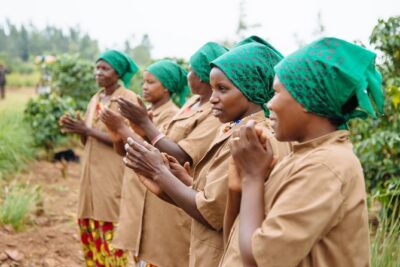
Kigali: Traditional Coffee Experience ( Bean to Brew)
Read our review →

Full Day Shared Akagera Safari Tour with Lunch and Coffee
Read our review →Lake Kivu Trip with a Hike and Coffee plantation experience
Read our review →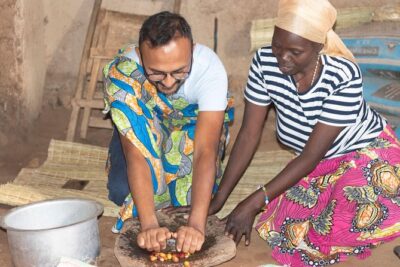

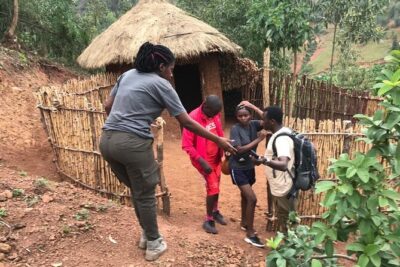
Local Community Tour(Cultural, Coffee,Village walk,Local food)
Read our review →Browse the lists this tour appears in