
Reviewed · KIGALI TOURS
Banana Juice Making at a Local Community
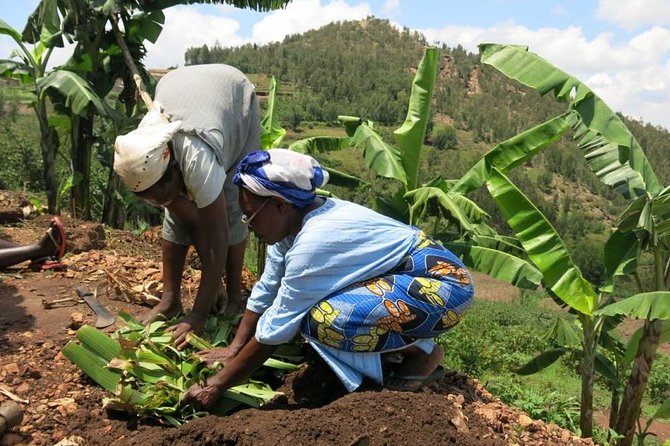
Banana juice is not just a drink here. It is part of the welcome at Rwandan weddings and parties, and this hands-on day lets you see how much work goes into preparing it. You cut green bananas, bury them in a hole to ripen, share lunch with your host family, then return to turn the fruit into juice.
I like the small-community setting, where you spend the day with one host family rather than moving through a staged attraction. I also like the simple exchange built into the visit: you can help fetch water or prepare food, while your hosts ask about life in your home country.
The main drawback is the time. The day can run five to eight hours, and the physical work is real. You also need to reach Muhanga, formerly called Gitarama, on your own unless you arrange extra transport.
Key points at a glance

- Bananas ripen underground: You cut green bananas and bury them before lunch, then dig them up later for the juice-making work.
- A real village welcome: You meet artisans and spend time with a Rwandan family in their community.
- Lunch is part of the cultural exchange: Expect a traditional meal such as cassava and beans, with time for conversation.
- The day is active: Cutting crops, collecting bananas, digging, and possibly fetching water call for moderate fitness.
- Azizi Life adds local structure: Your guide handles the briefing, transport between Muhanga and the village, and introductions.
- Souvenir shopping comes last: A local artisan market gives you a chance to buy crafts after the community visit.
Why banana juice makes a memorable Rwandan experience
Many food activities let you taste the final product and skip the work behind it. This one does the opposite. You begin with green bananas, prepare them by hand, bury them to ripen, and later take part in the next stage of the process.
That slow rhythm matters. You see that the drink served at celebrations is not something produced in a few quick steps. It depends on crops, labor, timing, and cooperation. The result is a better sense of daily life than you get from a short tasting stop.
The experience takes place near Muhanga, southwest of Kigali. You start at the Azizi Life centre on NR1 in Gitarama, where you receive a briefing before heading into the rural community. From there, an Azizi Life guide introduces you to artisans and the family hosting you for the day.
This is a private activity, so only your own group takes part. That can make conversation easier, especially if you want to ask about family life, farming, celebrations, or work in the area. It also means the pace belongs to your group, within the day’s planned activities.
A few more Kigali days to weigh up
- Kigali City Tour
★ 5.0 · 452 reviews - Kigali: Walking Tour with a Local Guide
★ 4.9 · 234 reviews - One-day Akagera National Park Game Drive with a Choice 4×4
★ 5.0 · 105 reviews
Starting at Azizi Life in Muhanga
The first practical point is location. The meeting point is NR1 in Gitarama, now commonly called Muhanga. Transport from Muhanga town to the village and back is included, but transport to Muhanga is not.
If you are staying in Kigali, check this carefully before booking. The supplier may arrange transport from elsewhere for an additional payment, but that needs to be set up separately. Do not assume the $90 price includes a pickup from your hotel.
At the centre, you get a briefing and then leave for the community. The start gives you a chance to understand the plan before the hands-on work begins. It also keeps the village visit organized without making it feel like a large commercial group outing.
The price is $90 per person. I see reasonable value if you want a full day with a guide, village transport, lunch, bottled water, local taxes, and gratuities already covered. You are paying for access, coordination, and time with a host family, not just for a glass of juice.
The value is less clear if you only want a quick food demonstration. This is an eight-hour cultural activity, with an estimated duration of five to eight hours, so it suits you best if you are happy to give the day over to the visit.
Cutting green bananas and preparing the ripening hole
At the community, the work starts with green bananas. You cut and collect them, then help dig a hole in the ground. The bananas are placed inside so they can ripen before you use them.
This first stage is the most unusual part of the activity. You are not simply watching someone explain a local method. You handle the crop and take part in the preparation, which gives the drink-making process a clear beginning.
The task may sound easy, but cutting and collecting crops, then digging, can be tiring. Wear clothes you can work in and shoes suited to uneven ground. The activity notes call for moderate physical fitness, and that is worth taking seriously.
You may also help with other household jobs at this point. The day can include fetching water or assisting with food preparation. These tasks offer a glimpse of the work that supports a meal and a household, though you should expect simple practical participation rather than a polished cooking class.
The hosts are artisans, and the visit connects their craft work with community life. That gives the day more range than a banana demonstration alone. You have time to work, eat, talk, and later look at handmade goods.
A traditional lunch with time for questions
After the bananas are buried, you share lunch with your hosts. A typical example is cassava and beans. The meal is straightforward, filling, and tied to the food you are seeing around you.
I like this pause because it turns the visit into a human exchange. You can ask about life in the community, and your hosts may ask about your home country. That two-way conversation is important. You are not just receiving a performance or taking photographs from the sidelines.
Do not expect a restaurant menu or a long list of alternatives. The meal is part of the household welcome, and the food is presented in that spirit. If you have dietary needs, ask the supplier before the day, since the provided details do not list special meal arrangements.
Lunch also breaks up the physical work. You spend about an hour eating and talking before returning to the bananas. The pause gives the fruit time to ripen, while giving you a natural chance to rest.
One of the strongest parts of the visit is the atmosphere created around this meal. Dancing and laughter may become part of the closing social time, and traditional attire may be available during the community visit. These details are not guaranteed as a fixed performance, but they have been part of the experience for some bookings, so you might find the day becomes more playful and social than expected.
Same base, a completely different day out:
- Private Full-day Kigali City Tour with Pickup and Lunch
★ 5.0 · 79 reviews - Kigali Walking Tour
★ 4.5 · 78 reviews - Kigali E-Bike City Tour with Breakfast
★ 4.9 · 73 reviews - Private 1 Day Akagera Big Five Safari with pick up and lunch.
★ 5.0 · 72 reviews
Digging up the bananas and making the juice
After lunch, you return to the buried bananas and dig them up. This is a satisfying part of the day because you see the result of the first task rather than treating the ripening method as a demonstration with no follow-through.
You then take part in making banana juice. The supplied details do not specify every cutting, pressing, or straining step, so I would not promise a particular recipe or tool. What is clear is that you participate in the process and finish with the drink connected to Rwandan celebrations.
The work gives the $90 price more substance. You have spent time with the ingredients from the start, and the final taste is linked to your own effort. One participant described the juice as tasty and the work as worthwhile, while also highlighting the dancing and laughter at the end of the visit.
That combination is the point of the day. If you want a technical lesson in beverage production, this may feel informal. If you want a local activity where food, farming, labor, and conversation fit together, it makes much more sense.
The juice is commonly served at weddings and parties, so the activity also gives you cultural context. You learn how a familiar celebratory drink begins in the ground and passes through shared work before it reaches the table.
More than bananas: crafts, cattle, and village life
The community visit can include more than the central juice activity. You might help with crops, fetch water, weave, or feed cows after harvesting napier grass. These elements depend on the day and the host family, so treat them as possible additions rather than guaranteed stops.
The artisan connection is especially useful. Azizi Life works with local artisans, and the visit lets you meet the people behind the handmade goods. This makes the final shopping stop feel connected to the people and place you have just visited.
At the end, you stop at a local handicraft store or artisan market. It is a convenient time to buy souvenirs, and your purchase can support local craft work. Still, keep your expectations measured. The information provided does not name the exact products, prices, or payment methods, so bring only what you are comfortable carrying and ask about those details on the day.
Traditional clothing may also be offered during the visit. If that happens, treat it as an invitation from your hosts, not a required part of the program. The strength of the experience is participation and conversation, not collecting a set of staged photo opportunities.
What the eight-hour schedule means for you
The day is listed as lasting about five to eight hours. That wide range likely allows for transport, village activities, lunch, conversation, juice preparation, and shopping, but the exact finish can vary.
You should plan it as a full day rather than squeezing another major activity around it. The work may move at a relaxed local pace, and conversations or social activities can take longer than a tightly timed city tour.
A private booking helps. Your group is the only group participating, so you are not waiting for a large busload to finish each task. It also gives you more room to ask questions and decide how much you want to join in.
A minimum of two people is required per booking. A child rate applies only when the child shares with two paying adults. Children should also be comfortable with the physical side of the visit, since the activity is not described as a passive sightseeing stop.
The experience is near public transportation, but the included transport specifically covers the trip from Muhanga town to the village and back. If you are building a Rwanda trip around Kigali, allow time and budget for reaching the meeting point.
Who should book this experience?
I would recommend it to you if you enjoy meeting local people, eating a simple regional meal, and doing practical work rather than moving from one photo stop to the next. It is a good fit for couples, families with suitable children, and small private groups who want a personal day outside Kigali.
It also suits anyone interested in food traditions. You do not just taste banana juice. You see the fruit before ripening, take part in preparing it, and learn why it matters at celebrations.
You may want to skip it if you dislike rural conditions, physical tasks, or flexible timing. The ground work is part of the experience, not an optional extra. You should also look elsewhere if your priority is a short activity close to your Kigali hotel.
The community setting requires a respectful attitude. Ask before taking photographs, listen when people describe their work, and join tasks because you want to help rather than treating the village as a backdrop. That approach will make the conversation more natural and the day more rewarding.
Confirmation arrives within 48 hours and is subject to availability. You must book at least 96 hours before the start time so the community has enough time to prepare the bananas. If you book sooner, the supplier may ask you to reschedule.
Free cancellation is available up to 24 hours before the local start time for a full refund. Changes or cancellations inside that window are not accepted or refunded.
My call: book it for participation, not speed
I would book this experience if you have a spare day near Muhanga and want a genuine food-and-community activity. The best parts are the underground ripening method, the shared lunch, the private host setting, and the chance for the day to end with music, laughter, or a bit of village work.
The $90 cost is fair when you use the included lunch, guide, water, local transport, taxes, and gratuities. Just remember that getting to Muhanga is your responsibility unless you pay for an extra arrangement.
Book at least four days ahead, plan for moderate physical activity, and leave your schedule open. If you do that, this is less about mastering a recipe and more about understanding how a familiar Rwandan celebration drink connects crops, labor, hospitality, and community life.
FAQ
Where does the banana juice activity begin?
It begins at the Azizi Life centre on NR1 in Gitarama, also known as Muhanga, Rwanda.
Is transport included?
Transport from Muhanga town to the village and back is included. Transport to and from Muhanga is not included, but the supplier may arrange it for an additional payment.
How long does the experience last?
The activity lasts approximately five to eight hours. The scheduled description also refers to an eight-hour course.
What food is included?
Lunch is included. A typical traditional Rwandan meal may include cassava and beans.
How many people are needed to book?
A minimum of two people per booking is required. The activity is private, so only your group participates.
How far in advance must I book?
You need to book at least 96 hours before the experience begins so the community can prepare the bananas. Confirmation is sent within 48 hours, subject to availability.
Is the activity physically demanding?
You should have a moderate level of physical fitness. The day can include cutting and collecting green bananas, digging a hole, fetching water, and helping with crops or food preparation.
Can I cancel for a refund?
Yes. You can cancel up to 24 hours before the local start time for a full refund. Cancellations or changes made less than 24 hours before the start are not refunded or accepted.
Just added around Kigali
- Kigali City Tour and Sightseeing★ 5.0 · 3 reviews
- From Kigali: 8 Hour Day-trip Lake Kivu Cruise Experience★ 4.5 · 3 reviews
- Home staying experience★ 5.0 · 3 reviews
- 3-Day Rwanda Gorilla Safari★ 4.5 · 3 reviews
- 2 Days Gorilla Trekking Rwanda★ 5.0 · 3 reviews
- 1 Day Gorilla Trekking Safari in Rwanda Volcanoes National Park★ 5.0 · 3 reviews
- Kigali: Guided City Tour let us learn, enjoy together ❤️★ 3.6 · 3 reviews
- Private Memorial Day Tour Ntarama and Nyamata★ 5.0 · 3 reviews
Kigali Tours, compared.



One-day Akagera National Park Game Drive with a Choice 4×4
Read our review →
Private Full-day Kigali City Tour with Pickup and Lunch
Read our review →

Private 1 Day Akagera Big Five Safari with pick up and lunch.
Read our review →
Mount Kigali and Cultural Village Tour with Snacks
Read our review →Browse the lists this tour appears in