
Reviewed · KIGALI TOURS
Kigali: Learn the Amaraba Dance Experience in Kigali
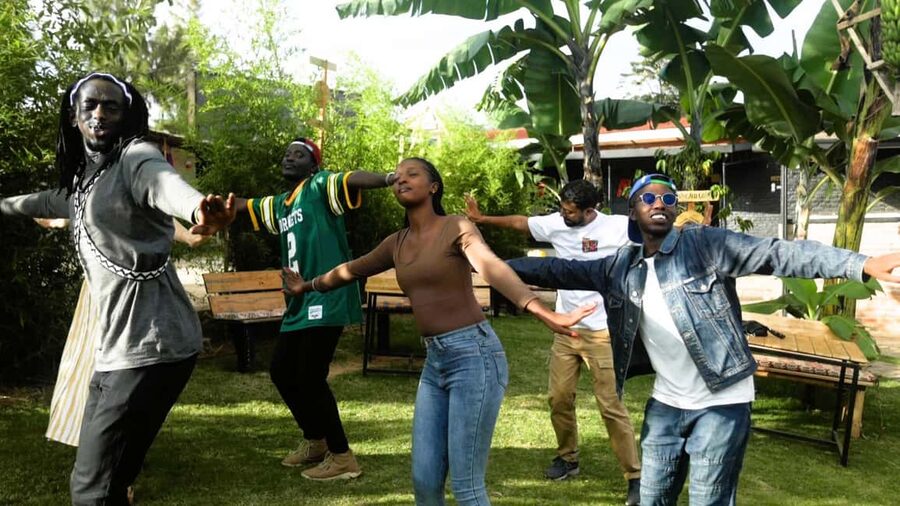
Amaraba is not a dance show where you sit quietly and clap at the end. From the first drumbeat, you are invited onto your feet to learn the steps, gestures, and short sequences from local dancers. The movement comes with stories and meaning, so you understand more than just the footwork.
I like the hands-on teaching and the way the drumming gives the session its pulse. I also like the chance to ask questions, take photos with the dancers, and meet people in a setting built around shared activity rather than sightseeing from the sidelines.
The main thing to consider is the physical demand. You will be standing and moving for most of the hour, and the drumming may feel too loud or intense for very young children. People with limited mobility, children under 10, and adults over 70 should choose another Kigali activity.
Key points to know before you book
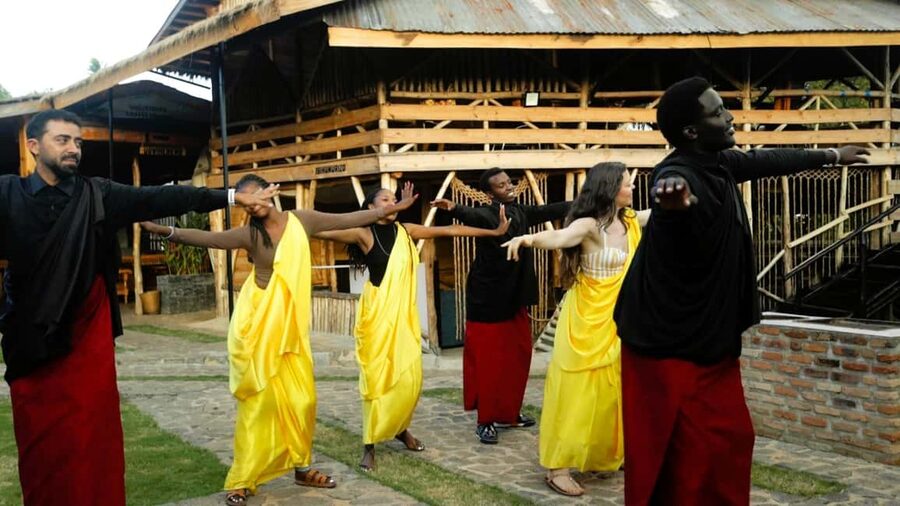
- You learn Amaraba directly from local dancers, with guidance instead of a performance-only format.
- Live drumming sets the pace, helping you follow the steps and feel the energy of the dance.
- Cultural meaning is part of the lesson, including explanations of gestures, movements, and traditional stories.
- The one-hour format is easy to fit into a Kigali day, especially before or after other sightseeing.
- Photos with the dancers are possible, so bring a camera if you want a record of the session.
- The $30 price covers participation and instruction, but transportation, food, drinks, and souvenirs cost extra.
Amaraba begins with a drumbeat in Kigali
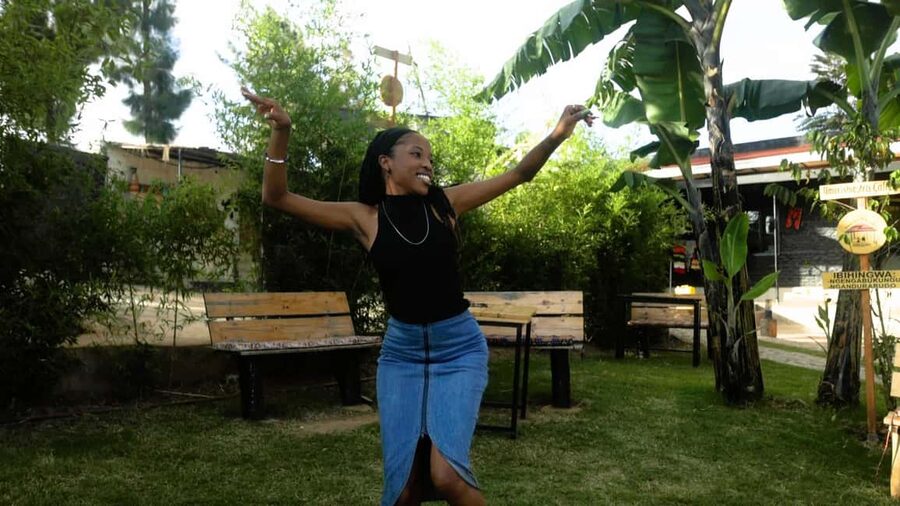
The best part of this experience is its directness. You do not need to know the steps before you arrive, and you are not expected to perform like a professional. Local dancers guide you through the movements one at a time, then help you connect them into simple sequences.
That matters because traditional dance can feel difficult to understand when you see it only from a seat. Once you try the gestures yourself, you begin to notice how posture, rhythm, arm movement, and footwork work together. You get a small but useful window into Rwandan culture through your own body.
The session takes place in Kigali Province and lasts one hour. That is long enough to learn, repeat, and enjoy the dance without turning the activity into an all-day commitment. I would place it neatly into a morning or afternoon plan, though you will need to arrange your own transport to and from the venue.
The instruction is in English. No individual instructor names are provided, but the teaching comes from local performers who explain both the movement and its cultural meaning. You should expect an active lesson, not a formal lecture.
A few more Kigali days to weigh up
- Kigali City Tour
★ 5.0 · 452 reviews - Kigali: Walking Tour with a Local Guide
★ 4.9 · 234 reviews - One-day Akagera National Park Game Drive with a Choice 4×4
★ 5.0 · 105 reviews
Learning the movements one step at a time
The session starts by bringing you into the basic rhythm. The drumbeat provides a clear guide, but you still need to watch the dancers carefully. The teaching is practical: see a movement, try it yourself, adjust, and repeat.
You will learn steps, hand gestures, and short dance sequences. The goal is not to master every detail in one hour. Instead, you get a friendly introduction that lets you take part with confidence and understand the shape of the dance.
I like this approach because it keeps the activity open to beginners. You are not buying a specialist workshop aimed at trained dancers. You are joining a cultural lesson where mistakes are part of the fun. Expect to laugh at yourself a little, especially when your feet and arms decide to follow different instructions.
The supportive setting is important. You can ask questions while you learn, and the dancers can correct or guide you as you go. That personal contact is worth more than simply watching a polished performance, especially if your aim is to meet local people and take part in something connected to Rwanda.
Why the drumming changes the experience
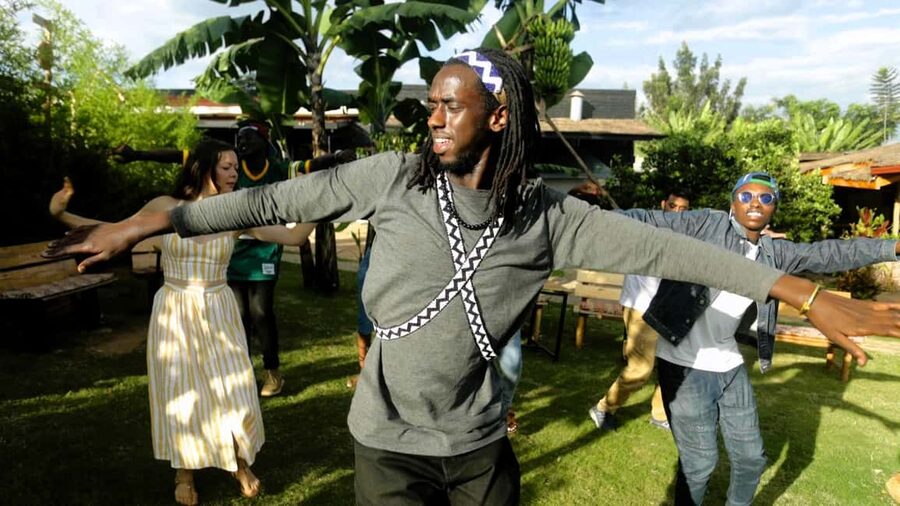
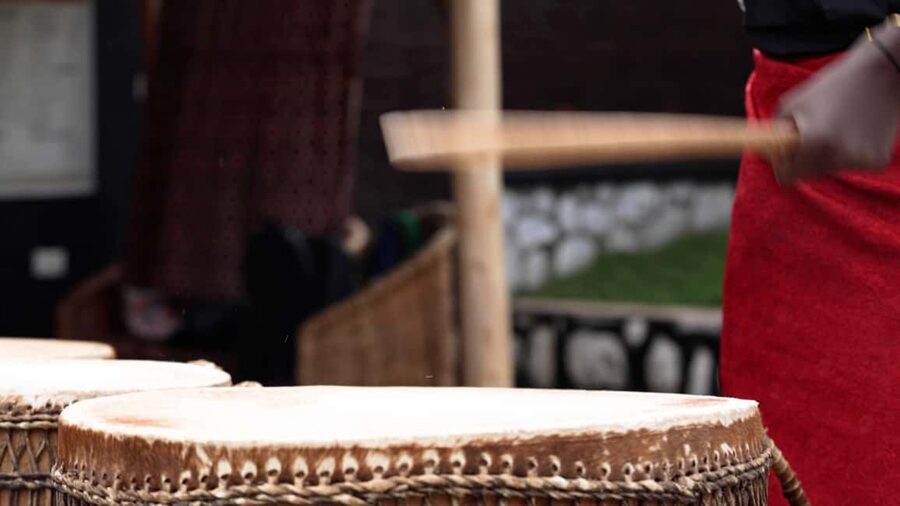
The drumming is not background music added for atmosphere. It is the engine of the lesson. You listen for the beat, watch how the dancers respond, and try to keep your own movements connected to the rhythm.
For many visitors, this will be the most memorable part. A recording can show you the sound of traditional music, but live drumming makes you react in real time. You feel the tempo change your body and help organize the sequence.
There is also a practical challenge. Loud drumming may overwhelm little children, and anyone sensitive to strong sound should keep that in mind. The activity is not recommended for children under 10, partly because the noise and active setting may be too much.
I would also avoid wearing anything that restricts your movement. The official guidance does not specify a dress code, so I would simply choose comfortable clothing and shoes that allow you to stand and move for most of the hour. Bring a camera, but keep your hands free when you are learning.
The stories behind the gestures
A good dance lesson explains why the movements matter. Here, the dancers describe the history, symbolism, and stories connected with the Amaraba dance. That gives context to the gestures rather than treating them as a set of steps to copy.
You may not leave with a full course in Rwandan dance traditions, but you should come away with a clearer sense that each movement has a place within a larger cultural practice. The explanations help you pay attention to the details: the way the arms are held, the timing of a gesture, and how the dancers relate to the beat.
This is where the experience gains value beyond entertainment. A one-hour lesson cannot cover every aspect of Rwandan culture, but it can encourage respectful curiosity. You are not just taking a photo of a costume or trying a dance for a few minutes. You are being told what the movements mean and why they are performed.
The cultural explanation also gives you useful material to remember afterward. You may forget part of the sequence, but the story behind a gesture can stay with you. That is often the difference between a fun activity and a meaningful one.
Same base, a completely different day out:
- Private Full-day Kigali City Tour with Pickup and Lunch
★ 5.0 · 79 reviews - Kigali Walking Tour
★ 4.5 · 78 reviews - Kigali E-Bike City Tour with Breakfast
★ 4.9 · 73 reviews - Private 1 Day Akagera Big Five Safari with pick up and lunch.
★ 5.0 · 72 reviews
Meeting local performers, not watching from a distance
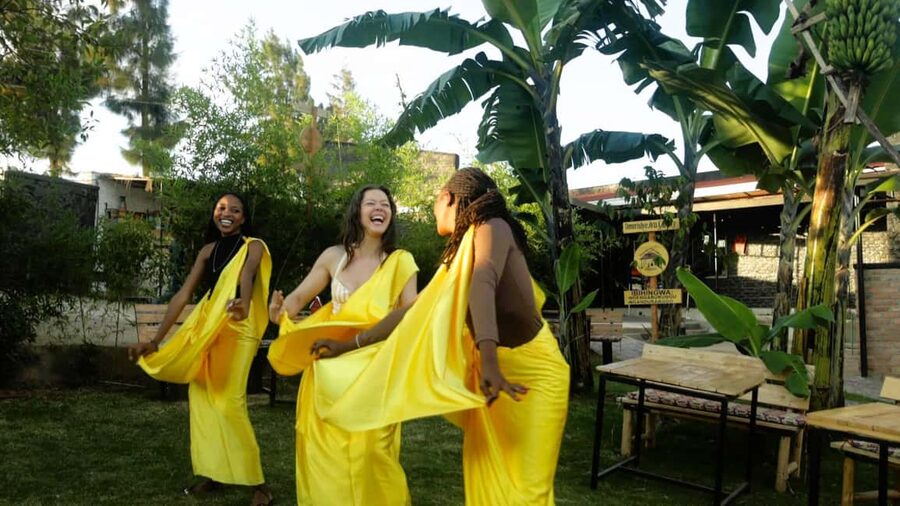
The format encourages conversation. You can ask questions, receive corrections, and participate alongside the dancers. The opportunity to have photos with them adds a relaxed social moment after or during the lesson.
The costumes are also part of the visual appeal. Bring your camera if you want pictures of the colorful clothing, energetic movements, and group interaction. Ask before taking close-up photos, and treat the dancers as people sharing their work with you, not as scenery.
The friendly welcome is one of the strongest reasons to book this activity. The experience is designed to make participation easy, even if you have two left feet. You do not need to arrive as a dancer. You only need a willingness to follow along and enjoy the process.
The activity provider is NuttinTODO. The supplied information also indicates that other activities may be available at the same place. One visitor enjoyed staying for dinner and found the meal excellent, but food is not part of this booking. Treat that as a possible extra rather than something included in the dance experience.
What the $30 price really covers
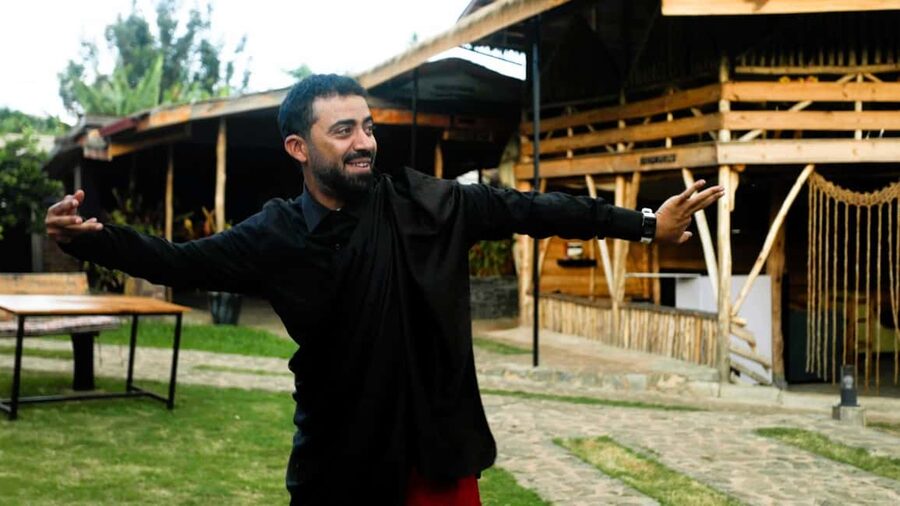
At $30 per person, the activity is priced as a short cultural workshop rather than a simple performance ticket. Your fee includes entrance to the Amaraba performance, guided explanations of the dances and their cultural significance, the chance to dance with the performers, and local cultural insight in English.
That is fair value if you want active participation. You are paying for access, instruction, context, and time with the dancers. The price is less compelling if you only want to sit and watch, since the main purpose is to get involved.
Transportation is not included. You will need to reach the venue independently and make your own way back afterward. Meals, refreshments, souvenirs, and other personal expenses are also separate. If you plan to stay for dinner, budget for it as an additional purchase.
The one-hour duration keeps the total cost and time commitment manageable. I would especially consider it if you have a busy Kigali schedule and want one cultural activity that can fit around other plans. The session is short, but it is not passive, so you get a concentrated hour of music, movement, and conversation.
Who will enjoy this Kigali activity most
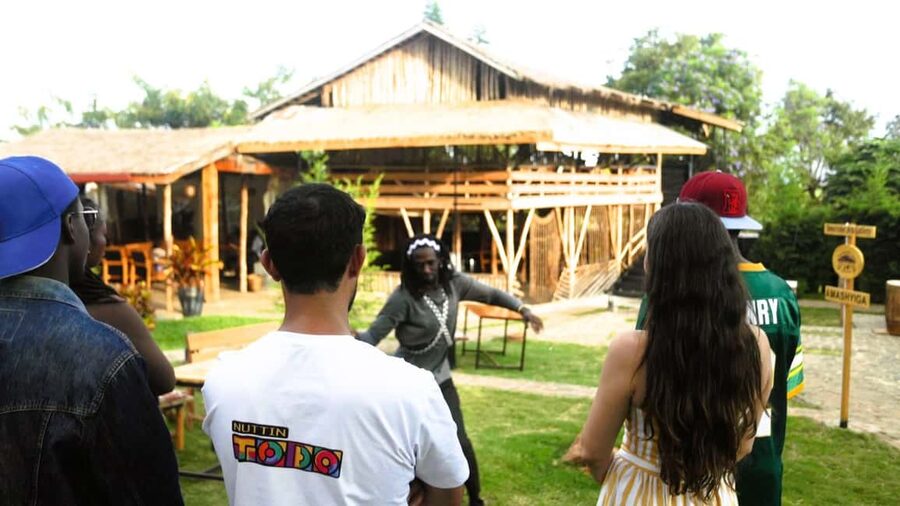
This experience is a good match for adults and older children who enjoy learning by doing. It suits you if you want a cultural activity with movement, direct contact with local performers, and enough explanation to place the dance in context.
It is also a sensible choice for solo visitors. The format gives you something active to share with the group, and the guided setting makes it easier to connect with the dancers and other participants. Couples and families with children aged 10 or older may enjoy it too, provided everyone is comfortable standing and moving.
You should think twice if you prefer quiet museums, seated performances, or activities with little physical effort. The session requires you to be on your feet for most of the hour. People with impaired mobility are specifically advised not to book, and the experience is not suitable for children under 10 or people over 70.
The age limits may feel broad, but they are practical. Amaraba is taught through movement, and the drumming can be forceful. If you are unsure about your fitness or comfort with sound, choose a gentler cultural activity.
A simple way to fit it into your day
Because the activity lasts one hour, you can pair it with other plans in Kigali. Check the available starting times before you book, then allow enough time to reach the venue without rushing. Since transportation is not included, your schedule should include the journey in both directions.
I would arrive ready to participate rather than dressed for a formal night out. Bring your camera, but do not let it distract you from the lesson. The photos will be better after you understand the movements and can enjoy the interaction without trying to document every second.
The activity can also work well as a change of pace during a city visit. Kigali sightseeing may involve roads, viewpoints, museums, and meals. Amaraba gives you a chance to use your body and meet local performers instead of spending another hour simply looking at things.
There is no meal or refreshment included, so plan that separately. If the venue offers other activities or dining on the day, ask about those directly rather than assuming they are part of your booking.
Practical booking details
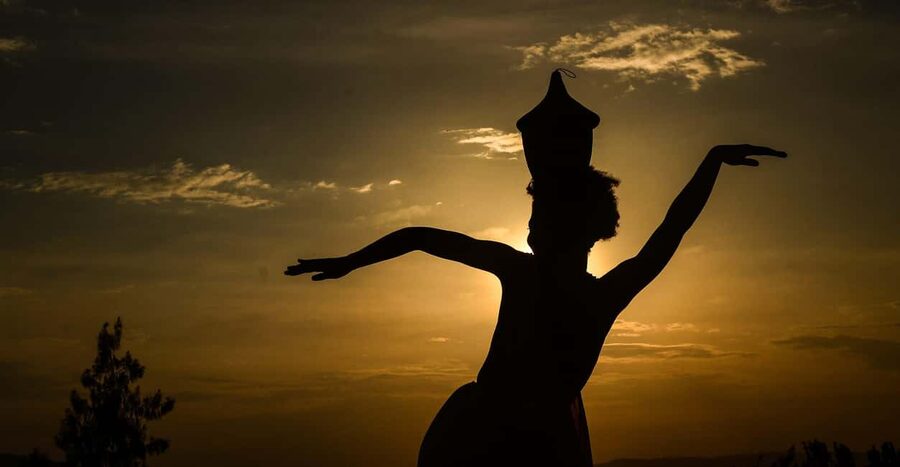
The session is offered in English, which makes the cultural explanations accessible to English-speaking visitors. The activity includes the entrance ticket and guided instruction, so you do not need to arrange a separate performance ticket.
You can reserve now and pay later, which is useful if your Kigali schedule is still shifting. Free cancellation is available up to 24 hours before the activity for a full refund. Check the current start times and cancellation terms when you make the booking.
Alcohol and drugs are not allowed. Baby strollers and baby carriages are also not permitted, and the age guidance rules out children under 10. These restrictions fit the nature of the experience, since the space is intended for active participation rather than a family setup with very young children.
The activity has a 4.8 rating from 12 reviews. The strongest repeated themes are the warm welcome, the fun of dancing, and the sense that the experience feels genuinely cultural. That matches the structure of the session: local people teach you directly, explain what you are doing, and invite you to join rather than simply observe.
Should you book the Amaraba dance experience?
Book it if you want to experience Kigali through music, movement, and personal contact. The strongest reasons are the live drumming, direct instruction from local dancers, explanations of the gestures, and the chance to ask questions and take photos together.
At $30, it is a good buy for an active one-hour cultural lesson. Just remember that transport and food are extra, and that you will be standing and moving for most of the session.
Skip it if you need a seated activity, have limited mobility, dislike loud drumming, or are booking for a child under 10. For everyone else, Amaraba offers a lively, practical way to learn something about Rwanda without spending the day in a classroom or behind a viewing barrier.
FAQ
Where does the Amaraba dance experience take place?
It takes place in Kigali Province, Rwanda.
How long does the activity last?
The Amaraba dance experience lasts one hour.
How much does it cost?
The listed price is $30 per person.
Is the activity taught in English?
Yes. The instructor language is English.
Do I watch a performance or take part in the dance?
You take part. Local dancers guide you through Amaraba steps, gestures, and sequences, alongside a performance element.
Is transportation included?
No. Transportation to and from the venue is not included.
Are food and drinks included?
No. Meals and refreshments are not included. Personal expenses, including souvenirs, are also separate.
What should I bring?
Bring a camera if you would like to take photos of the dancers, costumes, and activity.
Can children join the activity?
The experience is not suitable for children under 10. Little children may also become overwhelmed by the loud drumming.
Can I cancel for a full refund?
Yes. You can cancel up to 24 hours in advance for a full refund.
Just added around Kigali
- From Kigali: 8 Hour Day-trip Lake Kivu Cruise Experience★ 4.5 · 3 reviews
- Kigali City Tour and Sightseeing★ 5.0 · 3 reviews
- 3-Day Rwanda Gorilla Safari★ 4.5 · 3 reviews
- Home staying experience★ 5.0 · 3 reviews
- 2 Days Gorilla Trekking Rwanda★ 5.0 · 3 reviews
- 1 Day Gorilla Trekking Safari in Rwanda Volcanoes National Park★ 5.0 · 3 reviews
- Kigali: Guided City Tour let us learn, enjoy together ❤️★ 3.6 · 3 reviews
- Private Memorial Day Tour Ntarama and Nyamata★ 5.0 · 3 reviews
Kigali Tours, compared.



One-day Akagera National Park Game Drive with a Choice 4×4
Read our review →
Private Full-day Kigali City Tour with Pickup and Lunch
Read our review →


Private 1 Day Akagera Big Five Safari with pick up and lunch.
Read our review →
Mount Kigali and Cultural Village Tour with Snacks
Read our review →Browse the lists this tour appears in