
Reviewed · KIGALI CITY TOURS
Kigali City Tour and Sightseeing
Kigali’s story is told through both quiet memorials and ordinary daily life, and this private tour gives you both in one half-day. You’ll visit the Kigali Genocide Memorial, walk through Kimironko Market, and see the city from Mount Kigali before the day is over.
I like the mix of serious history and local color, and I like having a private guide who can adjust the pace to your interests. Guide Jabil is repeatedly praised for his patience, energy, and clear explanations of Rwanda’s past. The main drawback is the $166.68 per-person price, which is a lot for five and a half hours if you are traveling alone or as a small group.
Key points to know before booking
- Five major Kigali stops in 5.5 hours: The route covers memorials, a market, a museum, and a hilltop area.
- A private experience: Only your group participates, so the day can be shaped around your interests and pace.
- Guide Jabil is a major strength: His patience, friendly manner, and understanding of Rwanda’s history are praised in the available feedback.
- The Kigali Genocide Memorial needs time: Two hours are planned here, making it the emotional center of the visit.
- Kimironko Market adds daily life: Expect local food, vegetables, fabrics, and made-in-Rwanda goods.
- Admissions are listed as free: The price mainly pays for the private touring service, guide, transport arrangements, and organization.
Why this is a useful first day in Kigali
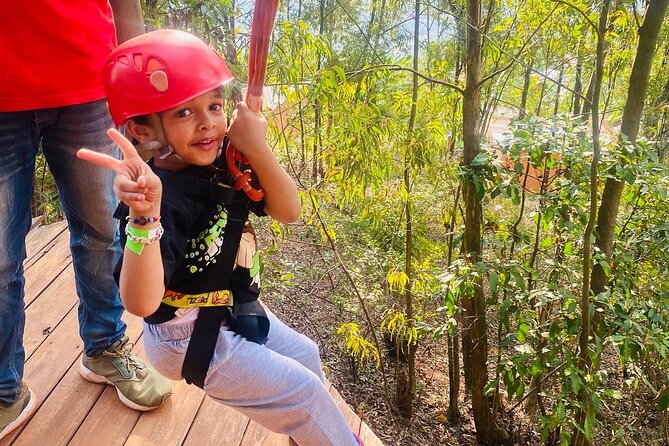
Kigali can feel like a gentle introduction to Rwanda. It is clean, orderly, and spread across a series of hills, so even a simple drive through town gives you a sense of how the city fits together. A guided tour helps you get that orientation quickly, especially if you have just arrived and want context before heading to other parts of the country.
This outing is not just a drive past landmarks. Its stops explain how Rwanda remembers the 1994 genocide, how the country rebuilt itself, and how people live and work in Kigali today. That combination matters. The memorials can feel heavy on their own, while a market visit without historical context may leave you with only a surface view of the city.
Because this is a private activity, you are not tied to a large group. That can make a real difference at the Kigali Genocide Memorial, where you may want more time to reflect, or at Kimironko Market, where you may prefer to browse rather than hurry through. The stated duration is about five hours and 30 minutes, so the schedule is full but manageable.
More ways to see Kigali:
- Kigali City Tour
★ 5.0 · 452 reviews - Private Full-day Kigali City Tour with Pickup and Lunch
★ 5.0 · 79 reviews - Kigali City Tour
★ 5.0 · 59 reviews
The Kigali Genocide Memorial, two hours of essential history
The Kigali Genocide Memorial is the most important stop on the route. It commemorates the 1994 genocide against the Tutsi and serves as the final resting place for more than 250,000 people. The site includes a visitor center intended to help students and other visitors understand the events that led to the genocide and its terrible consequences.
You should expect this part of the tour to be serious. It is not a quick photo stop, and the planned two hours give you time to take in the exhibits without rushing. Your guide can help place what you see into the wider story of Rwanda, which is especially useful if you know only the basic outline of the genocide.
I appreciate that the tour puts this visit first. It gives the rest of the day a stronger frame. When you later see the Parliament building or walk through a local market, you have a better sense of the country’s recent past and the importance of rebuilding ordinary civic life.
The difficult side is simple: this stop may be emotionally demanding. You should not plan it as a lighthearted sightseeing visit. Give yourself room afterward, and remember that the two-hour timing is an estimate rather than a guarantee of how long you personally will want to stay.
Admission is listed as free, but that does not make the site casual or optional. For a first visit to Kigali, it is the stop that offers the clearest understanding of Rwanda’s modern identity.
Kimironko Market, an hour among local goods and food
After the memorial, Kimironko Market shifts the mood toward everyday Kigali. Located in the Kimironko neighborhood, it is described as the busiest market in town and sells a broad range of made-in-Rwanda goods.
You might find souvenirs, fabrics for clothing, local food, and displays of vegetables. This is the part of the tour where you can see commerce at close range rather than through a museum display. It also gives you a chance to notice the practical side of Kigali, from the goods people buy to the way produce and textiles are presented.
Plan on one hour here. That is enough for an introduction, but it is not a long shopping session. If you want to buy fabric or souvenirs, tell your guide early so the visit can match your interests. Since this is a private tour, you can ask for help understanding what you are seeing and spend more time on products that catch your eye.
A market can also be less predictable than a formal attraction. It may feel busy, and the experience depends on what is happening that day. You should approach it as a working market first and a sightseeing stop second. That is part of its value. The goal is not a polished display, but a look at local trade and locally made products.
The market is also a useful counterpoint to the memorial. Kigali is not only a place of remembrance. It is a living city where people shop, cook, work, and make goods for sale.
The Belgian Peacekeepers Memorial and the danger of forgetting
The Belgian Peacekeepers Memorial is a small but important historical stop, planned for about 30 minutes. It marks the place where ten Belgian United Nations peacekeepers were murdered by Hutu extremists in an effort to force the withdrawal of UN forces.
The killings helped clear the way for the full-scale genocide that followed. That connection makes the memorial more than a tribute to those ten men. It shows how the international response was weakened at a crucial moment.
You will not need a long visit here to understand why the site matters. Thirty minutes allows your guide to explain the event and give you time to look around. The stop is brief, but it adds a key piece to the day’s history.
This is also one place where a guide is especially useful. A memorial can tell you who is being remembered, but the surrounding political context explains why the event mattered. Jabil is described as patient and well versed in Rwanda’s past, qualities that suit this kind of stop.
A few more Kigali days to weigh up
- Kigali: Walking Tour with a Local Guide
★ 4.9 · 234 reviews - One-day Akagera National Park Game Drive with a Choice 4×4
★ 5.0 · 105 reviews - Kigali Walking Tour
★ 4.5 · 78 reviews - Kigali E-Bike City Tour with Breakfast
★ 4.9 · 73 reviews
The Campaign Against Genocide Museum inside Parliament
The Campaign Against Genocide Museum is housed in Rwanda’s Parliamentary building and opened in 2017. It is one of eight museums managed by the Rwanda Cultural Heritage Academy. The museum focuses on Rwanda during the campaign against the genocide against the Tutsi.
The planned visit lasts one hour. That gives you time to learn about the campaign itself and how it fits into the country’s account of the genocide. The setting inside Parliament adds weight to the visit because you are seeing this history within a working national institution, not only at a memorial site.
This stop may appeal most to visitors who want more than a general overview. The Kigali Genocide Memorial explains the tragedy and its background, while this museum focuses on the campaign against the genocide. Taken together, they provide two different angles on the same period.
As with the memorial, your guide’s explanation can shape the experience. Historical museums can be difficult to follow when you are unfamiliar with local political terms, dates, or names. A private guide gives you someone to ask when the material needs clarification.
The drawback is that this is another serious, information-heavy stop. If you prefer a city tour made mostly of views and photography, the morning may feel weighted toward history. If you want to understand Rwanda rather than simply pass through Kigali, that emphasis is a strength.
Mount Kigali for a wider view of the city
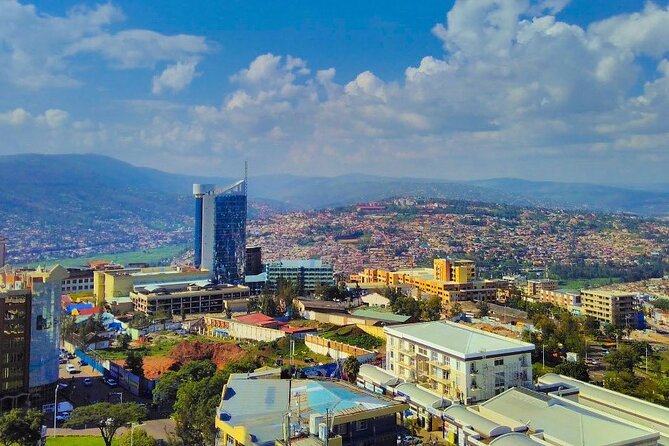
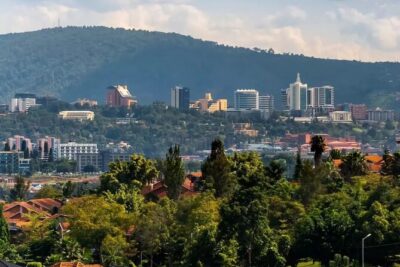
The final stop is Mount Kigali, also called Mont Kigali in French. It is a hill directly west of the city center in Nyarugenge District, and much of Nyarugenge lies on its slopes. The hill is part of the city’s identity, since Kigali takes its name from Mount Kigali.
The planned visit lasts one hour. This is the most open-ended part of the route. After several indoor and memorial-focused stops, the hill gives you a chance to look at Kigali as a city spread across ridges and slopes.
You may find this stop particularly helpful if you are still getting your bearings. From a higher point, the city’s shape makes more sense than it does from street level. The tour description does not promise a specific viewpoint, activity, or exact panorama, so you should think of Mount Kigali as a hill visit and city orientation rather than a guaranteed scenic platform.
The contrast with the earlier stops is welcome. A city tour needs some breathing room, and Mount Kigali supplies it. You can ask your guide about the districts you see and connect the city’s physical form with the places visited earlier.
What the private format adds
The private format is one of the clearest reasons to consider this outing. Only your group participates, so you are not sharing the day with strangers or waiting for a large party at every stop.
That matters most in three situations:
- You want to spend longer at the genocide memorial.
- You want time to browse Kimironko Market.
- You need explanations adjusted to your own level of background knowledge.
The available feedback gives special attention to guide Jabil. He is described as friendly, energetic, patient, and well versed in Rwanda’s history. One account also notes that he helped make the tour worthwhile through his cultural understanding. Those are useful qualities for a tour that moves between sensitive history and everyday city life.
The tour also says the package can be adjusted around your travel needs and interests. Still, you should discuss any priorities when booking rather than assume every change is automatic. Five and a half hours is not enough for unlimited time at every stop, so a private format improves flexibility but does not remove the need for a plan.
Pickup is offered, and a mobile ticket is available. The tour is near public transportation, though pickup may be more convenient if this is your arrival day or if you are carrying luggage. Most people can participate, according to the supplied details.
Is $166.68 a fair price?
At $166.68 per person, this is not a budget city walk. The value depends heavily on your group size and how much you want a private guide.
Admissions to the listed stops are free, so you are mainly paying for the private experience, guide service, pickup arrangements, transport, planning, and the convenience of seeing five important places in one outing. If you are traveling with several people, the private format may feel more reasonable because the cost buys a dedicated vehicle and guide for your group rather than a seat on a large shared tour.
For one person or a couple on a strict budget, the price deserves closer thought. You could potentially spend less by arranging individual visits, but you would lose the linked story and the guide’s explanations. The real question is not simply how much the attractions cost at the gate. It is how much you value having someone connect the memorials, market, Parliament museum, and city geography.
I would consider this good value for a first-time visitor who wants a focused introduction and prefers not to organize several separate stops. It is weaker value if you already know Kigali well, dislike museums, or mainly want unstructured time in the city.
The tour is booked on average 41 days ahead, which suggests you should not leave it until the last moment if your dates are fixed. Free cancellation is available up to 24 hours before the start time. Cancellations or changes made inside that window are not accepted for a refund.
Who will get the most from this Kigali tour?
I would recommend it most strongly to first-time visitors who want historical context before traveling elsewhere in Rwanda. It also suits families, since a private guide can adjust explanations and pacing. The available feedback specifically praises Jabil’s friendly manner with a family group.
This is a good choice for you if:
- You want a private rather than shared city tour.
- You want both serious history and ordinary local life.
- You have only half a day in Kigali.
- You value a guide who can explain Rwanda’s past.
- You want pickup and a planned route.
You may want something else if you prefer nightlife, restaurants, art, or long stretches of free time. This route is firmly centered on history, civic memory, local shopping, and a city view. It is also not designed as a specialist food tour, hiking trip, or extended market visit.
Should you book it?
Book this Kigali city tour if you want a strong first look at Rwanda’s capital and are comfortable paying for a private guide. The route covers the city’s most important historical subjects while still making room for a market and Mount Kigali.
The best reason to book is the human guidance, especially if Jabil is available for your date. His patience and clear knowledge are repeatedly singled out, and those qualities matter when the day includes difficult history. The main reason to hesitate is cost: $166.68 per person is substantial for 5.5 hours, particularly for a solo visitor.
For a first day in Kigali, I think the mix is well judged. You leave with more than a list of attractions. You understand why the memorials matter, see how people shop and work, and gain a basic sense of how the city rises across its hills.
FAQ
Where does the Kigali city tour take place?
The tour takes place in Kigali, Rwanda, and visits the Kigali Genocide Memorial, Kimironko Market, Belgian Peacekeepers Memorial, Campaign Against Genocide Museum, and Mount Kigali.
How long does the tour last?
The experience lasts approximately five hours and 30 minutes.
Is this a private tour?
Yes. Only your group participates in the activity.
Is pickup available?
Yes. Pickup is offered.
How much does the tour cost?
The listed price is $166.68 per person.
Are admission tickets included?
Admission is listed as free at each of the five scheduled stops.
Who provides the tour?
The experience is provided by Sahihi Africa Tours.
What is the cancellation policy?
You can cancel up to 24 hours before the experience start time for a full refund. Cancellations or changes made less than 24 hours before the start time are not accepted for a refund.
Just added around Kigali
- From Kigali: 8 Hour Day-trip Lake Kivu Cruise Experience★ 4.5 · 3 reviews
- 3-Day Rwanda Gorilla Safari★ 4.5 · 3 reviews
- Home staying experience★ 5.0 · 3 reviews
- 2 Days Gorilla Trekking Rwanda★ 5.0 · 3 reviews
- 1 Day Gorilla Trekking Safari in Rwanda Volcanoes National Park★ 5.0 · 3 reviews
- Kigali: Guided City Tour let us learn, enjoy together ❤️★ 3.6 · 3 reviews
- Private Memorial Day Tour Ntarama and Nyamata★ 5.0 · 3 reviews
- Ntarama and Nyamata Genocide Memorial Day Tour★ 4.5 · 3 reviews
Kigali City Tours, compared.

Private Full-day Kigali City Tour with Pickup and Lunch
Read our review →



Private Half-Day Guided Kigali City Tour with Coffee Break Included
Read our review →Browse the lists this tour appears in