
Reviewed · KIGALI CITY TOURS
Kigali City Tour with Local Expert & Local Food
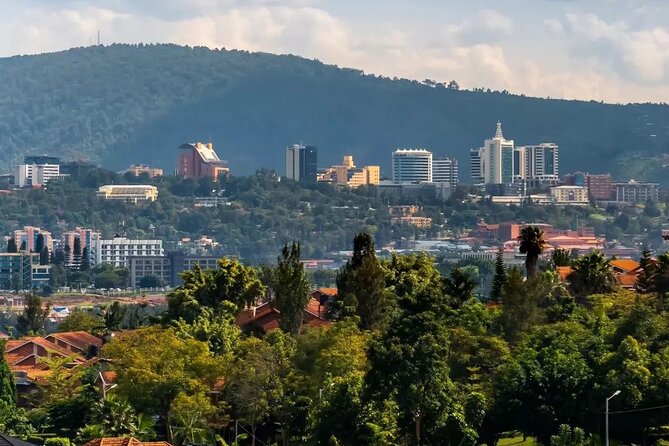
Kigali’s story comes into focus when you move from its car-free city center to Mount Kigali, the genocide memorial, local markets, and working neighborhoods. This private day tour gives you that broad picture without making you arrange several taxis or museums on your own.
I like the mix of serious and everyday Kigali: the Campaign Against Genocide Museum and Kigali Genocide Memorial provide essential context, while Kimironko Market, Niyo Arts Center, and a Rwandan lunch bring you back to present-day life. I also like the private format, since you can ask questions as you go and begin at your hotel or Kigali International Airport.
The main consideration is pace. Eight stops in 6 to 8 hours means some visits are brief, often around 30 minutes, and the memorial museums require attention and emotional energy. The lunch venue is also described in two different ways, so confirm whether your meal is at Afrika Bite or Elikapeka before setting out.
Kigali in one day: key points
- A private vehicle covers the city’s hills: Pickup is offered anywhere in Kigali or at Kigali International Airport, with a professional Afri Safaris driver-guide.
- Mount Kigali gives you the city from above: At about 1,850 meters, it is the highest point in Kigali and a useful way to understand the city’s spread.
- The museums explain Rwanda’s past and recovery: Kandt House Museum covers precolonial, colonial, and Kigali history, while the two genocide-related sites address the 1994 genocide against the Tutsi and the effort to stop it.
- Lunch adds a local taste: Rwandan food is provided for both vegetarian and nonvegetarian diners, though you should confirm the named restaurant.
- Markets and art keep the day grounded: Kimironko Market shows daily commerce, while Niyo Arts Center supports local artists and the Niyo Foundation.
- The $135 price buys convenience: Private transport, a guide, water, lunch, and some museum admission are included, making the cost easier to justify for a full day.
Why this tour works for a first day in Kigali
Kigali can feel easy to navigate at first. Its streets are orderly, the city is green, and traffic is generally calmer than in many African capitals. But its districts sit across hills and valleys, and the most worthwhile places are spread out. A private vehicle matters here.
For $135 per person, you are paying for a 6 to 8 hour private outing rather than a simple sightseeing transfer. The price includes transport, a driver-guide, bottled water, lunch, and pickup from your Kigali accommodation or the airport. Admission to Kandt House Museum and the Campaign Against Genocide Museum is included when that option is selected.
The value improves if you are traveling with family or friends, since the same vehicle and guide serve only your group. Group discounts are offered, but the exact saving is not stated, so ask before booking. Solo visitors may find the price less attractive than people sharing the cost.
One named guide connected with this experience is Ben. His role is especially useful on a tour like this because Kigali is not only a collection of viewpoints and museums. You need someone who can explain how colonial rule, independence, genocide, reconciliation, and modern development fit together. If Ben is assigned to your day, you can ask for his help in connecting those pieces.
More ways to see Kigali:
- Kigali City Tour
★ 5.0 · 452 reviews - Private Full-day Kigali City Tour with Pickup and Lunch
★ 5.0 · 79 reviews - Kigali City Tour
★ 5.0 · 59 reviews
Starting in Nyarugenge’s car-free center
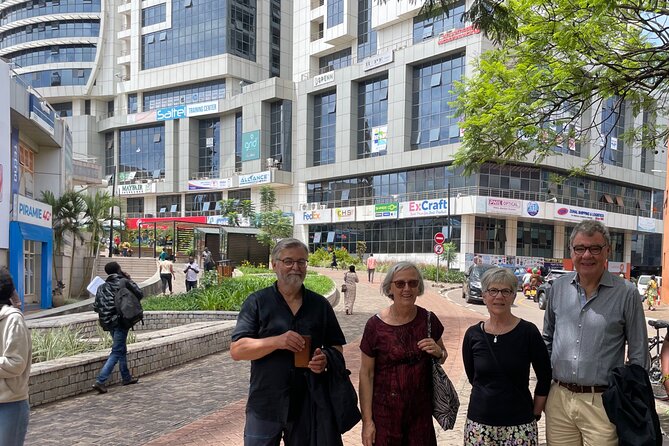
The first stop takes you into central Kigali, in Nyarugenge District. A car-free stretch runs through the city center, giving you a chance to walk without traffic pressing around you. Craft shops line the area, and you might find exhibitions or weekend entertainment.
This is a good opening because it introduces Kigali as a city used by its residents, not just a string of monuments. You can browse souvenirs, take a short rest, and watch ordinary city life unfold. The planned walking time is about 30 minutes, so do not expect a long shopping session.
The guide also points out the contrast between old and new Kigali. New construction is changing the city, while older areas show what Kigali looked like before the recent push toward cleaner streets, improved infrastructure, and more formal development. Seeing the two versions close together is more useful than hearing a polished description of the capital in isolation.
Mount Kigali and the city from 1,850 meters
From the center, the drive to Mount Kigali takes roughly 15 to 20 minutes, passing through Biryogo and Nyamirambo before climbing toward the summit. At about 1,850 meters, Mount Kigali is the city’s highest point.
The stop lasts around 30 minutes. That is enough for a broad view and a few photographs, though weather and visibility will affect what you see. Kigali’s hills make this viewpoint worthwhile because the city does not reveal its shape from street level. From above, you can better understand how neighborhoods, roads, and open areas fit together.
This is also where the private vehicle saves time. You are not trying to find the summit independently or work out how to connect several hilltop areas by public transport. The drawback is that this is a short stop, so treat it as an orientation point rather than a long mountain visit.
Kandt House Museum and three layers of Rwandan history
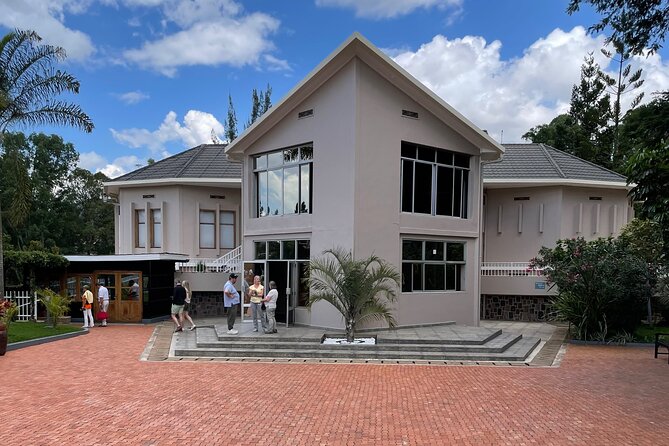
Kandt House Museum is the day’s main historical stop, with about an hour inside. The museum is divided into three broad sections.
The first looks at Rwandan life before colonial rule, including social, economic, and political subjects. This section matters because it gives you a picture of Rwanda before European administration, rather than beginning the country’s story with Germany or Belgium.
The second covers the colonial period. Richard Kandt served as Germany’s first colonial governor in Rwanda until the early 1900s. Germany ruled Rwanda after the Berlin Conference in 1884, and Belgium took control in 1916 under a League of Nations mandate after World War I. The museum places Kandt’s work within that larger period.
The third section traces Kigali itself before, during, and after colonial rule. Kigali became Rwanda’s capital at independence in 1962. This final section ties the museum to the streets you have already seen and to the modern city outside.
Admission is included when the museum option is selected. Because the museum covers several major subjects in one hour, keep listening closely and ask questions. It is a compact visit, not a place to skim in a few minutes.
More food tours in Kigali:
- Rwanda Half-Day Walking Food Tour
★ 5.0 · 35 reviews - Kigali: Guided Art, History, and Food Tour with Moto Ride
★ 4.9 · 34 reviews - Food Walking Tour – Nyamirambo, Kigali
★ 3.8 · 8 reviews - Local Community Tour(Cultural, Coffee,Village walk,Local food)
★ 5.0 · 8 reviews
Kigali Genocide Memorial: an essential but heavy visit
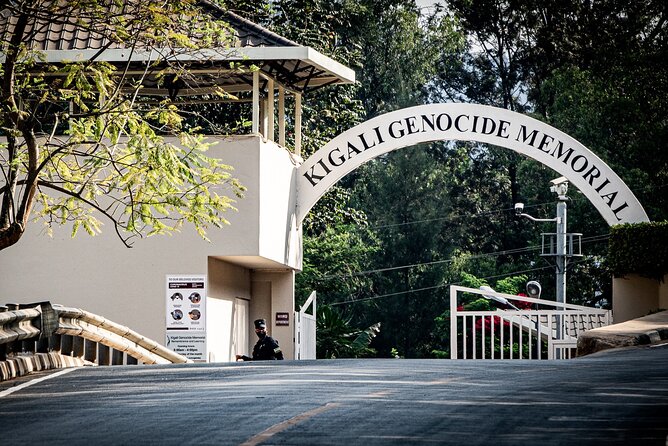
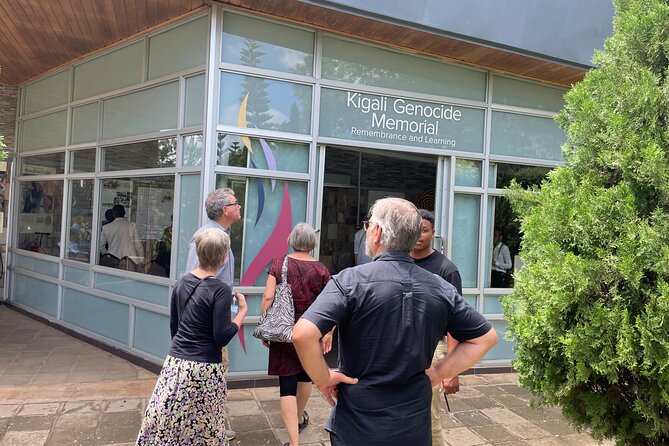
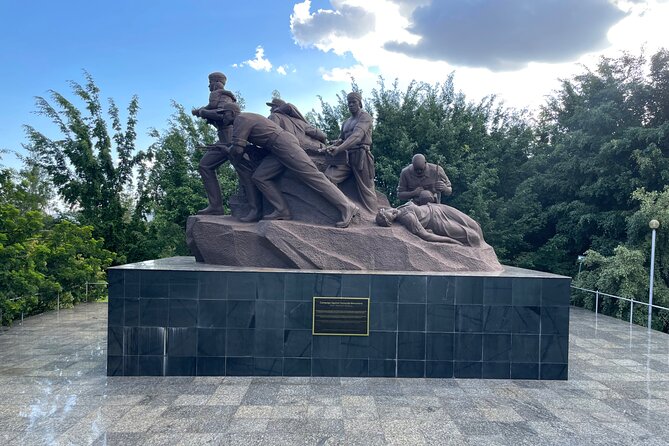
The Kigali Genocide Memorial is dedicated to the victims of the 1994 genocide against the Tutsi and to Rwanda’s path toward recovery. The site includes the burial place of approximately 250,000 victims, making it one of the most important places in Kigali.
The museum documents the genocide and also presents examples of other genocides around the world. Its purpose is not simply to recount events. It asks you to consider how propaganda, prejudice, and unchecked hatred can lead to mass violence.
The visit is free and lasts about an hour. I would not treat this as a casual sightseeing stop. Give yourself time to read, think, and speak with your guide afterward. The material can be painful, but avoiding it would leave a major gap in your understanding of Rwanda today.
The memorial also helps explain the country’s progress since 1994. Rwanda’s present-day order and development are easier to understand when placed beside the destruction and displacement that came before them. A visit here is important for anyone who wants more than a surface view of Kigali.
Campaign Against Genocide Museum and the road to recovery
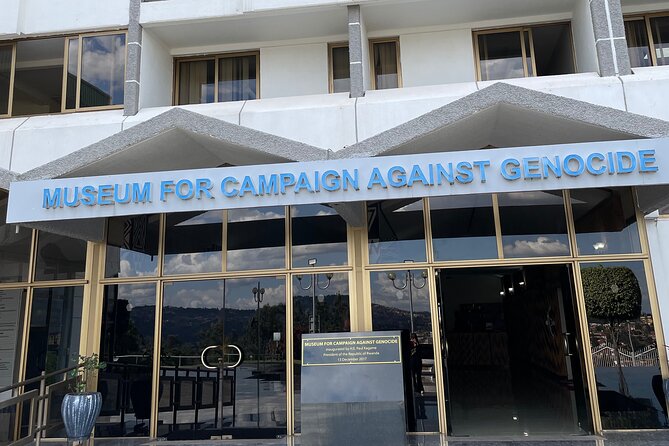
The newer Campaign Against Genocide Museum focuses on the Rwanda Patriotic Army and its campaign to stop the genocide. It also examines how Rwanda was rebuilt after the violence, under the leadership of President Kagame.
This stop adds a different angle to the memorial. The memorial centers remembrance and the victims. The Campaign Against Genocide Museum focuses on the military and political events that ended the genocide and the work that followed. Taken together, the two museums present a more complete, though still emotionally demanding, account.
The visit is listed at about an hour. Admission is included when selected. Because the subject can be politically and emotionally complex, this is a good place to use your guide. Ask for clarification if an exhibit moves quickly or leaves you unsure about the sequence of events.
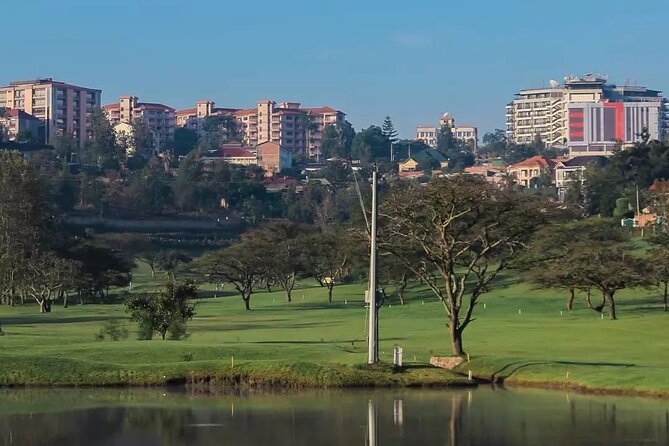
On the way, you pass views of Kigali Golf Club and Nyarutarama Golf Lake. The golf course is a nine-hole course in a green setting, and the lake offers a small nature break with bush, woodland, and birdwatching potential. These views do not replace a dedicated nature outing, but they provide a change of mood after the museums.
Kimihurura lunch and Rwandan flavors
Lunch is served during the Kimihurura portion of the day. The experience promises local Rwandan food, with both vegetarian and nonvegetarian options.
The supplied details name Afrika Bite as the lunch stop, while the inclusions section names Elikapeka. That may reflect a change in venue or a booking variation. I would confirm the restaurant before the tour, especially if you have dietary needs or want to know what kind of meal to expect.
This meal is more valuable than a standard restaurant break because it connects the sightseeing to daily food culture. You are not simply stopping for something familiar between museums. You have a chance to try Rwandan dishes and ask the guide about what is being served.
The scheduled lunch stop is listed as 30 minutes. That is fairly short for a relaxed meal, so expect a practical midday pause rather than a long culinary event. Bottled water is included.
Kimironko Market or Nyamirambo Women’s Center
Kimironko Market is described as Kigali’s biggest and busiest market. It sells food, fabrics, clothing, and many other everyday goods. This is a useful stop if you want to see the city’s commercial side rather than only official museums.
The market also offers a chance to have your measurements taken by a tailor and order colorful African clothing made within hours. The exact timing and tailoring arrangements are not specified, so do not count on leaving with a finished outfit unless the guide confirms it. If you want to shop, carry your preferences clearly and allow time for bargaining or selection.
An alternative is the Nyamirambo Women’s Center. It is a cooperative that supports local women through training in basket weaving, handicrafts, cooking, computer literacy, and sewing. You can see handicrafts made by the women and learn about a local economic and social project.
These are different experiences. Kimironko is better for commerce, fabrics, and the feel of a major market. Nyamirambo Women’s Center is better if you prefer craft production and a community-based organization. Ask which option is available for your booking, since the description presents them as alternatives.
Niyo Arts Center and Kigali’s creative side
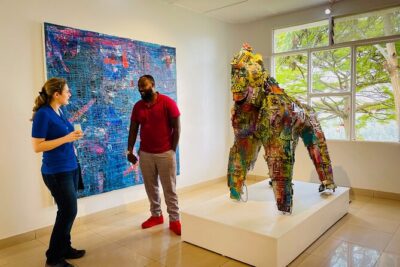
Niyo Arts Center is the final listed stop, with about 30 minutes set aside. It gives local artists a place to work with painting, sculpture, dance, music, and drumming. Artists in residence come from across Africa, so the work on display can extend beyond Rwanda.
The center also gives 40 percent of its profit to the Niyo Foundation, an organization supporting women and children living in poverty in Rwanda. That does not mean you should buy something simply to support a cause, but it does give purchases a wider purpose if you find artwork you genuinely want.
Thirty minutes is enough for a quick look, but not for a detailed art visit. If you are especially interested in painting or sculpture, ask whether more time can be shifted from another stop. The private format may make that possible, but it is not guaranteed.
Timing, transport, and who will enjoy it
The full experience lasts approximately 6 to 8 hours. That range matters. A six-hour version will feel brisk, particularly if you spend a full hour at each museum. An eight-hour day gives you more breathing room for traffic, questions, lunch, and shopping.
Pickup is available anywhere in Kigali and at Kigali International Airport. Airport pickup can be useful if you have a long arrival window and want to begin seeing the city right away, though you should make sure your arrival time allows for a full tour.
The activity is private, and only your group participates. That is the strongest practical feature for people who dislike fixed group pacing. It also lets you ask direct questions about Rwanda’s past, local food, neighborhoods, and current development.
Most people can participate, according to the tour information. No special physical requirements are stated, but you should expect walking in the city center and moving through museum spaces. The visit to the genocide memorial is emotionally serious, so it suits adults and older children who can engage with difficult material.
Free cancellation is available up to 24 hours before the local start time. Changes or cancellations inside that window are not accepted for a refund. The tour provides a mobile ticket and confirms the booking at the time of purchase.
Is $135 a fair price?
For a private full-day city tour, $135 per person is reasonable if you value convenience and a guide who can connect the stops. You receive transport, pickup, bottled water, lunch, and professional guiding. You also avoid building your own route across Kigali’s hills.
The price is less compelling if you only want a short city orientation or prefer to spend most of the day in one museum. Several stops last just 30 minutes, and the museum admissions are included only when the relevant option is selected. Check exactly what your booking includes.
For couples, families, and small groups, the private setup can make the cost worthwhile. Solo visitors should compare it with the price of hiring local transport and arranging individual visits. The tour’s real value is the combination of logistics and explanation, not simply the number of places covered.
Should you book this Kigali city tour?
Book it if you have one day in Kigali and want a structured introduction to the capital, especially if you care about modern Rwandan history, local food, markets, and art. The combination of Mount Kigali, the two genocide-related museums, Kimironko or Nyamirambo, and Niyo Arts Center gives you more range than a basic drive around town.
I would choose this tour for a first visit, a private group, or an airport arrival that leaves enough time for sightseeing. I would skip it if you dislike a full schedule, want a slow museum day, or would rather focus on wildlife and nature outside the city.
Before paying, confirm three details: which lunch venue is being used, whether both museum admissions are included in your selected option, and whether you can choose Kimironko Market or Nyamirambo Women’s Center. With those points settled, this is a useful and serious introduction to Kigali, with enough everyday life to balance the difficult history.
FAQ
How long does the Kigali city tour last?
The tour lasts approximately 6 to 8 hours.
How much does the experience cost?
The listed price is $135 per person.
Is the tour private?
Yes. Only your group participates in this private activity.
Where can pickup take place?
Pickup is offered anywhere in Kigali or at Kigali International Airport.
Is lunch included?
Yes. Local Rwandan food is included, with options for vegetarian and nonvegetarian diners.
Where is lunch served?
The itinerary describes lunch at Afrika Bite, while the inclusions name Elikapeka. Confirm the exact venue when booking.
Are museum admission fees included?
Admission to Kandt House Museum and the Campaign Against Genocide Museum is included when that option is selected.
Can I visit Kimironko Market or Nyamirambo Women’s Center?
The tour description presents Kimironko Market or Nyamirambo Women’s Center as alternative stops. Confirm which one is available for your booking.
What is the cancellation policy?
You can cancel up to 24 hours before the experience start time for a full refund. Cancellations or changes made less than 24 hours before the start are not accepted for a refund.
More Food in Kigali
- Vegan Fine Dining Experience
★ 5.0 · 5 reviews - Rwandan and Syrian Food Tour
★ 5.0 · 4 reviews - Walking Food Tour in Remera and Kigali
★ 5.0 · 4 reviews
Just added around Kigali
- From Kigali: 8 Hour Day-trip Lake Kivu Cruise Experience★ 4.5 · 3 reviews
- Kigali City Tour and Sightseeing★ 5.0 · 3 reviews
- 3-Day Rwanda Gorilla Safari★ 4.5 · 3 reviews
- Home staying experience★ 5.0 · 3 reviews
- 2 Days Gorilla Trekking Rwanda★ 5.0 · 3 reviews
- 1 Day Gorilla Trekking Safari in Rwanda Volcanoes National Park★ 5.0 · 3 reviews
- Kigali: Guided City Tour let us learn, enjoy together ❤️★ 3.6 · 3 reviews
- Private Memorial Day Tour Ntarama and Nyamata★ 5.0 · 3 reviews
Kigali City Tours, compared.

Private Full-day Kigali City Tour with Pickup and Lunch
Read our review →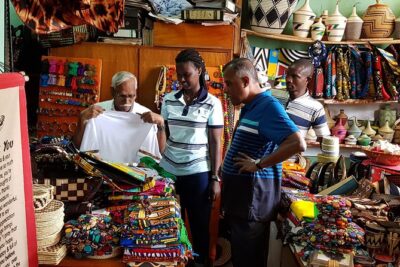

Private Half-Day Guided Kigali City Tour with Coffee Break Included
Read our review →
Browse the lists this tour appears in