
Reviewed · AKAGERA NATIONAL PARK SAFARIS
From Kigali: Akagera National Park Safari game drive
Akagera gives you Rwanda’s most accessible taste of classic safari, with Big Five tracking across open savannah, wooded hills, and wetland edges. I like the scenic drive from Kigali and the chance to add a Lake Ihema cruise, where hippos, crocodiles, herons, fish-eagles, and perhaps a shoebill may appear. The main drawback is the long day: roughly 2.5 hours each way from Kigali, plus about seven hours in the park.
I also like the community arts stop, which gives the drive a human side, and the guide-led Big Cat Moment, built around quiet stops near known watering holes. You should bring binoculars, though, since the tour provides no promise of close animal sightings and the optional boat ride costs extra.
Key points to know before you book
- Akagera is Rwanda’s Big Five park: Lions, leopards, rhinos, elephants, and buffalo all live here after major reintroduction work.
- The drive from Kigali takes about 2.5 hours: Rolling hills and village life make the journey part of the experience, but this is not a quick outing.
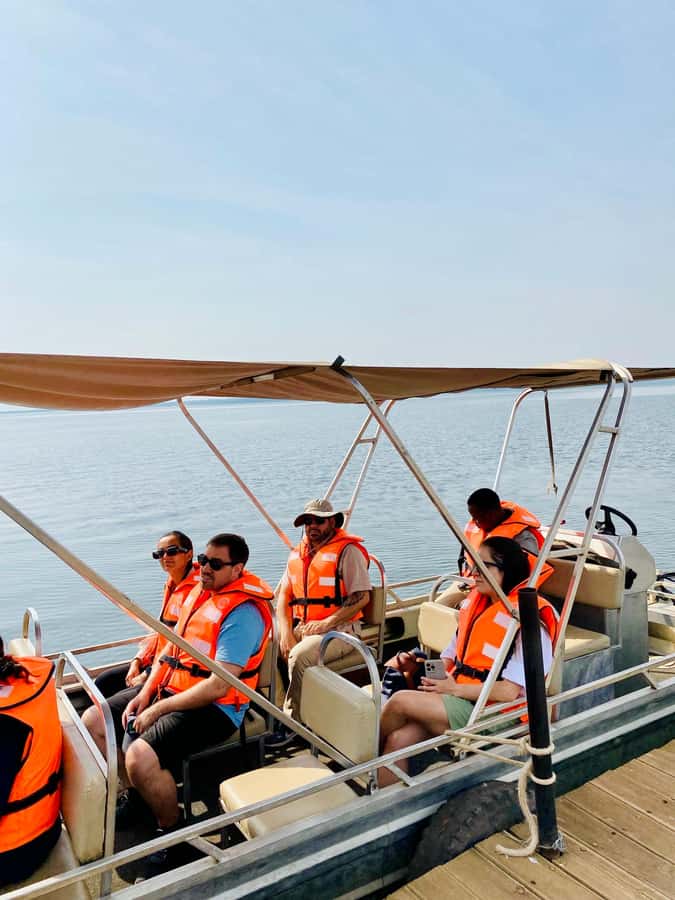
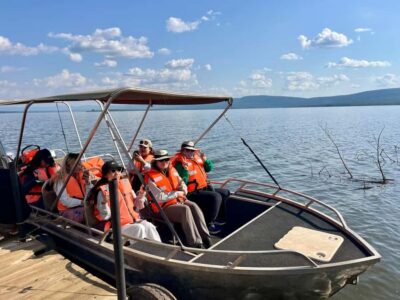
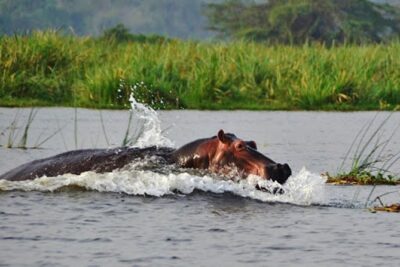
- Lake Ihema adds a different view of the park: The optional one-hour cruise focuses on hippos, crocodiles, and water birds rather than land mammals.
- The arts center stop is a useful local touch: You get a short break, a look at local crafts, and a chance to buy honey or small curios.
- Recent guides Jerome and Pacific earned strong praise: Jerome has also helped French-speaking visitors, while Pacific was noted for his care and effort.
- Your real cost depends on nationality: The advertised $199 price excludes park entry and the optional $35 to $45 boat cruise.
From Kigali’s hills to Akagera’s eastern gate
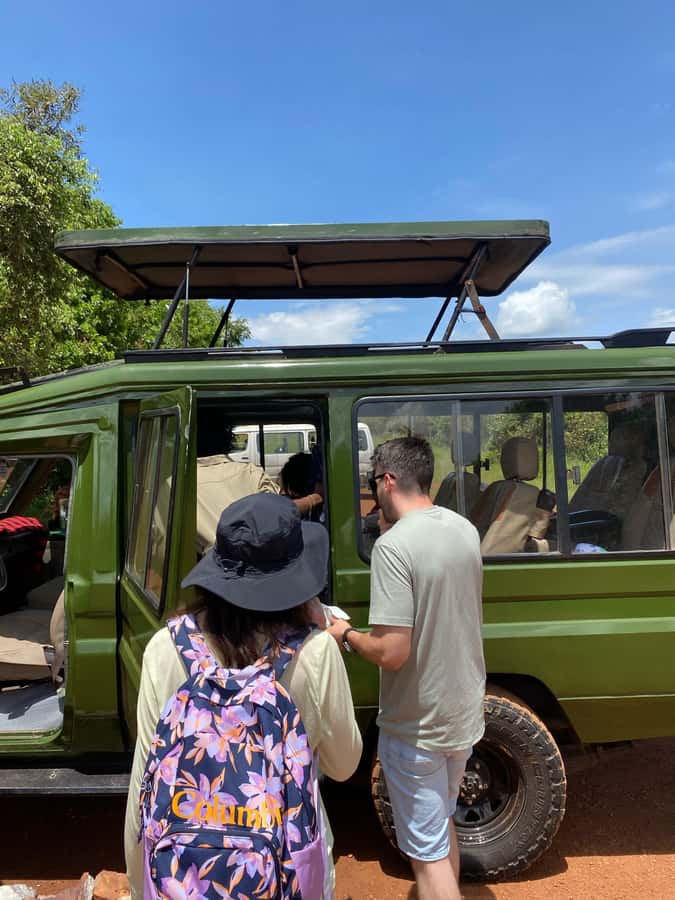
The day starts with pickup anywhere in Kigali, normally early enough to make the most of your time inside the park. The eastern drive takes around 2.5 hours, and it is not dead transport time. You pass Rwanda’s familiar rolling hills, roadside settlements, and village scenes before reaching the park.
I like this opening because it gives you a quick change of scale. Kigali feels urban and orderly; Akagera feels open, quiet, and far less built up. The route also helps you see a little of ordinary life outside the capital, rather than treating the safari as a sealed-off event.
A short stop at a community arts center breaks up the ride. You have about 20 minutes to stretch, look at local crafts, and take photographs. If you want souvenirs, local honey or small curios may be available at the center or at a roadside bazaar later in the day.
Do not expect a full cultural visit. Twenty minutes is enough for a pause and a purchase, not enough for a detailed craft demonstration or a long conversation with artists. Still, it is a worthwhile addition, particularly if you prefer tours that connect wildlife with nearby communities.
More Akagera safaris and game drives:
- One-day Akagera National Park Game Drive with a Choice 4×4
★ 5.0 · 105 reviews - Private 1 Day Akagera Big Five Safari with pick up and lunch.
★ 5.0 · 72 reviews - 1 Day Safari to Akagera national park-Big5 Safari
★ 5.0 · 36 reviews
Entering a park rebuilt for wildlife
At the gate, you complete park registration and receive an orientation before heading into the reserve. Akagera was founded in 1934 and is now known for its wetlands, savannah, wooded ridges, and strong recovery of animal life.
The park’s revival gives the safari extra meaning. Mammal numbers rose from about 4,000 in 2010 to roughly 13,500 in 2018, while lions, rhinos, and other species were reintroduced. You are not just looking at animals in a scenic setting. You are seeing the result of a major conservation effort.
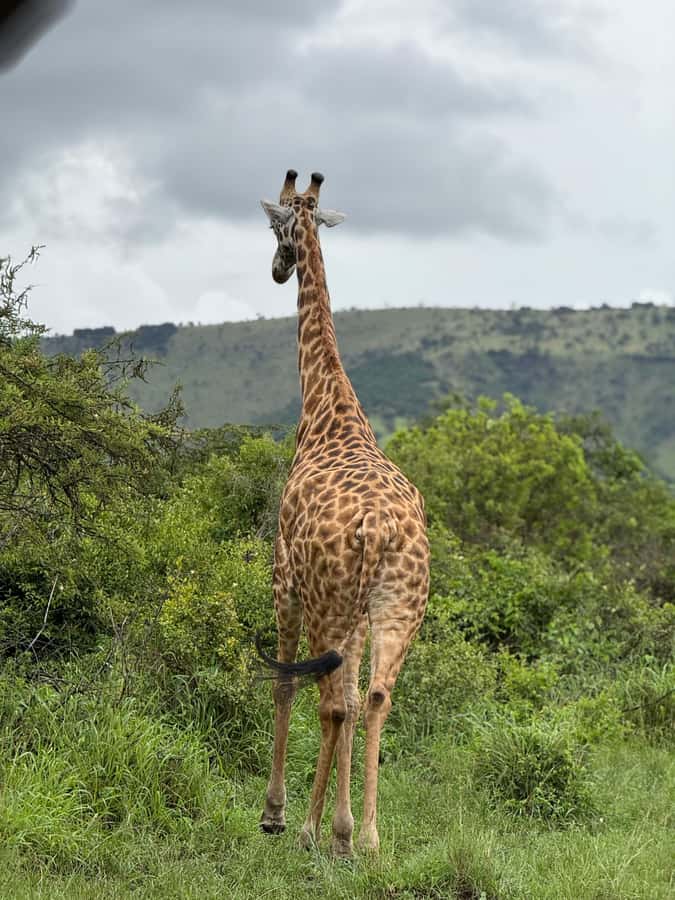
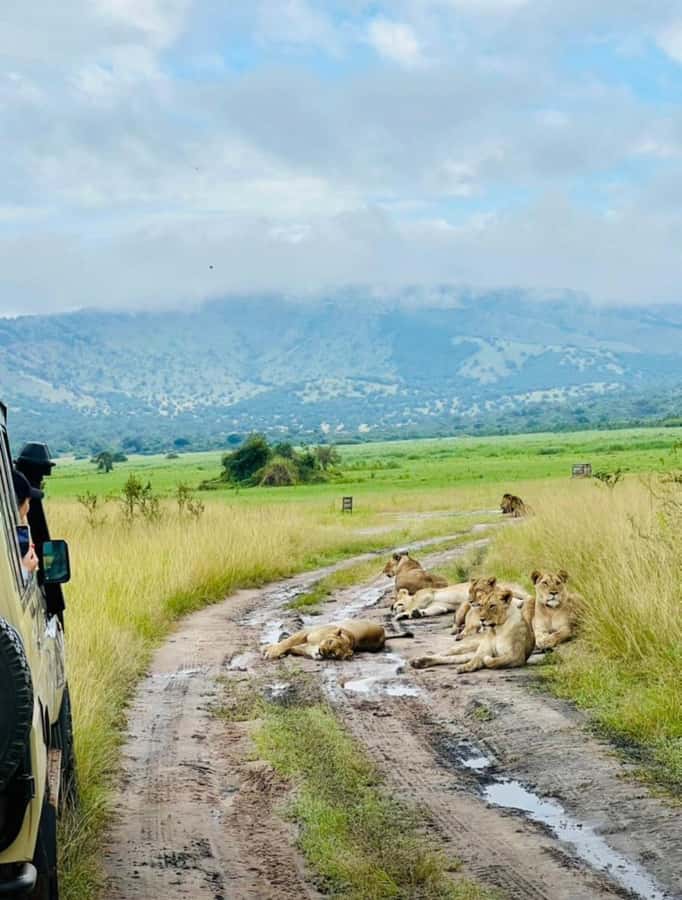
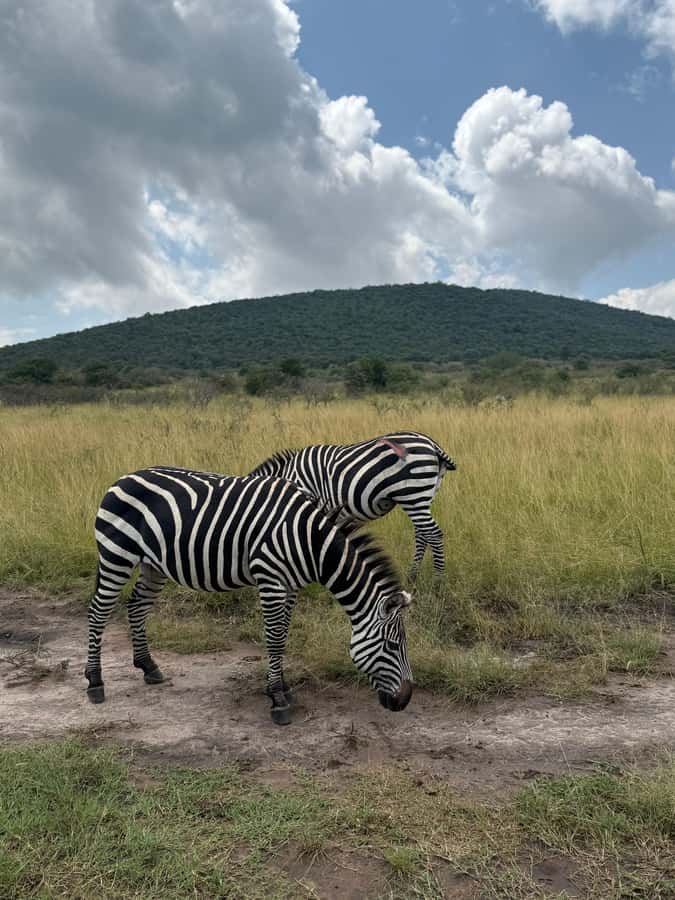
That does not mean every drive produces a perfect Big Five checklist. Wildlife moves freely, and sightings depend on the day, habitat, and guide’s tracking choices. Elephants, buffalo, giraffes, zebras, topi, eland, and other antelope are among the animals you may encounter. Lions and rhinos are regularly sought, but a leopard is always a more uncertain find.
Bring binoculars. This is one of the simplest ways to improve your safari, especially when an animal is across a broad grassland or partly hidden in brush. A camera with a useful zoom also helps, but binoculars let you watch behavior rather than merely collect distant photographs.
Seven hours of game driving through changing habitats
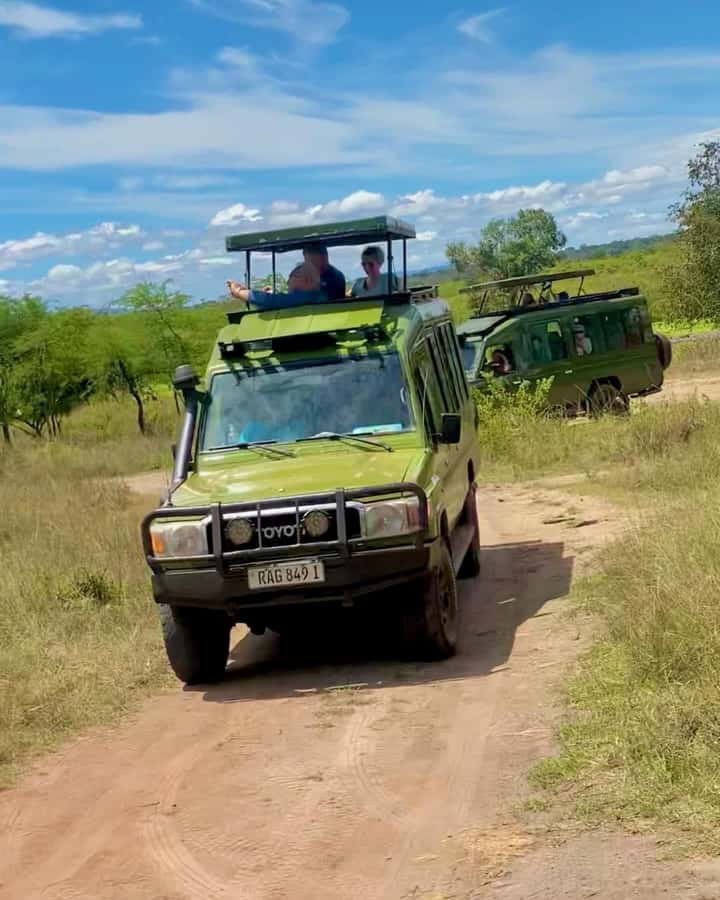
The main game drive lasts about seven hours, split between morning and afternoon viewing. That length gives the guide time to move through different parts of the park rather than circling one area and hoping for luck.
Open savannah is your best setting for scanning giraffes, zebras, buffalo, elephants, and antelope. Wooded hills bring shade and a different kind of animal search. Swamp fringes and wet areas are especially useful for birds and hippos, though visibility can be less open than on the grasslands.
The guide provides storytelling about Akagera’s revival as well as help with animal identification. Recent trips were led by Jerome and Pacific, both praised for their care, communication, and ability to find wildlife. Jerome also speaks French, which can be useful if someone in your group is more comfortable following explanations in that language. Guide assignments can change, so treat those names as examples rather than a guarantee.
A particularly interesting feature is the themed Big Cat Moment. Instead of simply following a standard route, the guide can make quiet stops near known watering holes and areas used by lions or leopards. This gives the search a little structure and makes you more aware of tracks, sounds, movement, and patient observation.
The phrase sounds dramatic, but the reality is nicely simple: stop, stay quiet, scan, and wait. You may see a lion, or you may spend the time watching birds and smaller animals. That uncertainty is part of a real safari, even if it can test your patience.
Look beyond the headline animals. Hyenas, bushbuck, vervet monkeys, olive monkeys, and blue monkeys add useful variety. Akagera’s appeal is not limited to five famous species. The smaller sightings help you understand how many layers of life share the same park.
Lunch beside the water
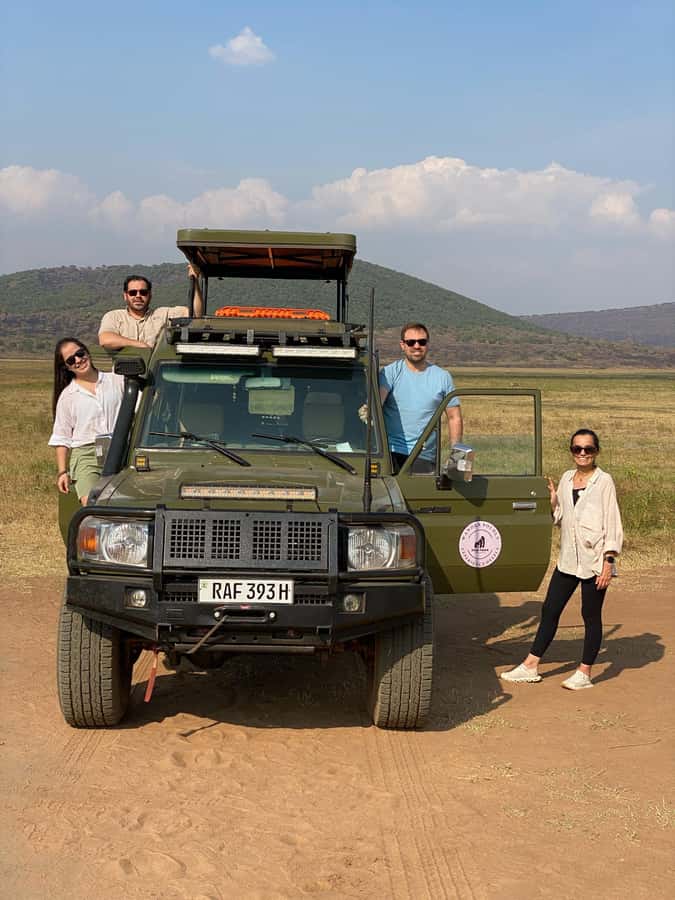
Lunch is served by Lake Mihindi, with lakeside dining also described around Lake Ihema or Rwanyakazinga. The exact setting may depend on the day’s route and operating arrangements, but the point is the same: you eat beside water instead of inside a city restaurant.
Hippos may surface nearby, and water birds can provide the soundtrack. Herons, fish-eagles, and other wetland species are possible sights, while the park’s bird list exceeds 500 species. A shoebill is a much less certain sighting, but its presence adds excitement for serious bird-watchers.
I like this pause because it gives you time to stop looking through the vehicle windows. Safari days can become tiring when every hour is spent bumping along a track. A lakeside meal lets you rest while still feeling connected to the park.
The tradeoff is timing. A long lunch can reduce the time available for driving, and a short lunch can feel rushed after a morning on rough roads. If wildlife viewing matters more to you than a leisurely meal, keep expectations practical.
A few more Kigali days to weigh up
- One Day Akagera Wildlife Safari
★ 5.0 · 36 reviews - 2 Day Gorilla Trekking Safari in Uganda via Kigali
★ 5.0 · 26 reviews - 3 Days Uganda Gorilla Trekking Safari
★ 5.0 · 24 reviews - One Day Akagera Safari From Kigali
★ 5.0 · 21 reviews
The optional Lake Ihema boat cruise
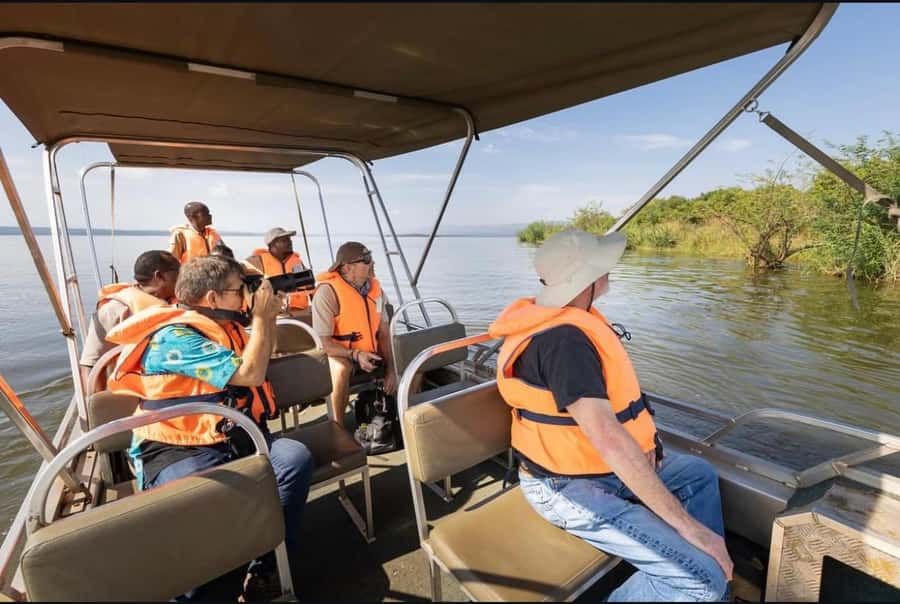
The one-hour Lake Ihema cruise is optional and costs about $35 to $45 per person, depending on the schedule. You can skip it, so ask about timing and price before the day begins if you are watching your budget.
The boat changes the rhythm of the safari. From the water, you look for hippo pods, Nile crocodiles, and birds along the shores and wetland margins. The boat also gives you a lower, broader view than a vehicle, with fewer obstructions when animals are close to the water.
This is particularly good for bird-watchers. Possible sightings include herons, fish-eagles, waterfowl, shoebill storks, and the colorful papyrus gonolek. No guide can promise any one species, but the cruise gives you a better setting for wetland birds than a fast-moving game drive.
The boat is not included in the $199 tour price. That matters. For an international visitor, the park entry fee is about $100, making the day roughly $299 before the cruise, personal purchases, or extra drinks. Add the boat and the total reaches approximately $334 to $344. EAC and Rwandan residents pay different entry rates, so check your category carefully.
A sunset stop with a simple touch of comfort
If time permits, the day can finish with a hilltop or woodland sundowner. Sparkling water or a soft drink and light snacks are served while the savannah takes on warmer evening colors.
This is not a formal bar service or a luxury lodge experience. That is part of its charm. The value comes from having a quiet pause after a long drive, not from an elaborate menu. It also gives you a final chance to watch the park without focusing on a checklist of animals.
Time is the important condition here. A 10-hour trip from Kigali has a tight schedule, and the sundowner may be shortened or skipped if wildlife sightings, traffic inside the park, or the boat schedule take longer than planned. If this moment matters to you, ask at pickup how the guide plans to fit it in.
What the $199 price really covers
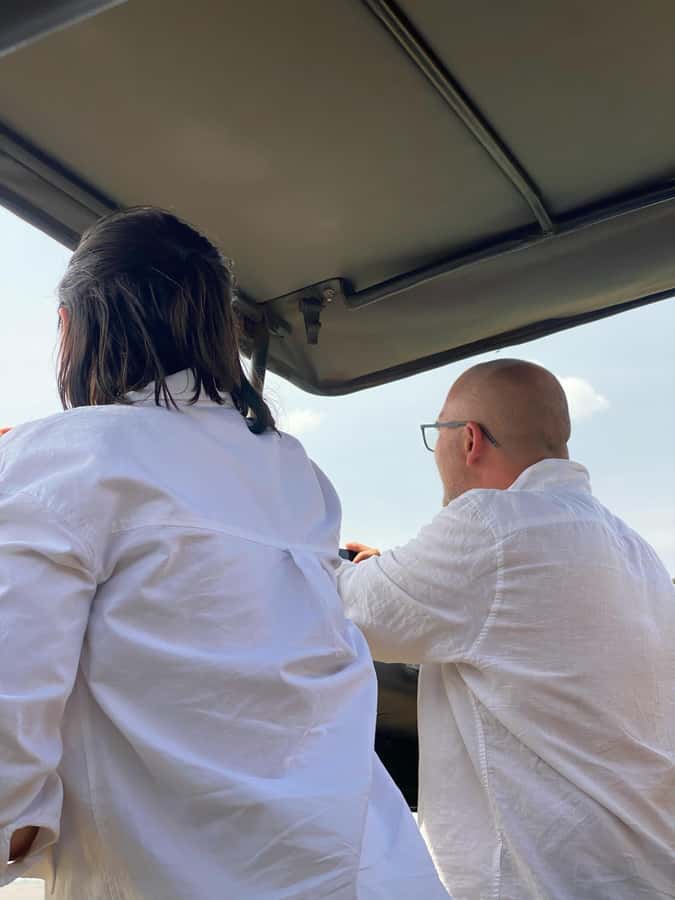
At $199 per person, the experience covers pickup and drop-off in Kigali, transport to the park, the arts center stop, park orientation, game drives, lunch, guiding, and storytelling about Akagera’s conservation work. For a small group, that can be fair value, especially if you want one company handling the long transfer and park day.
The price is not the final price for most international visitors. Park entry is separate:
- Rwandan and EAC citizens: about $15 per adult
- Rwandan and EAC residents: about $50 per adult
- Pan-African visitors from outside the EAC: about $50 per adult
- International visitors from outside Africa: about $100 per adult
Children aged 6 to 12 pay reduced rates, and children under 5 enter free. The boat adds about $35 to $45 per person if you choose it.
That makes this best suited to someone who wants a full safari day without arranging a separate driver, guide, park booking, and meal. It is less attractive if you only want a quick, low-cost outing from Kigali. You are paying for access, transport, guiding, and convenience, but you must also accept a very long day.
The activity can extend from 10 hours to two days depending on availability and arrangement. Confirm the exact schedule before paying, particularly if you are considering an overnight plan rather than a same-day return.
Comfort, clothing, and practical preparation
Pickup is available anywhere in Kigali, and small groups are available. A small group usually makes it easier to hear the guide and ask questions, though the exact group size is not stated.
Wear closed-toe shoes and loose but secure clothing. Avoid short skirts, loose garments that can flap around in the vehicle, and anything unsuitable for long hours outdoors. Smoking is not allowed in the vehicle, and alcohol and drugs are prohibited.
Pack a sun hat, insect repellent, camera, cash, binoculars, and a reusable water bottle. Cash is useful for optional purchases, local crafts, honey, snacks, or drinks outside the included meal.
The activity is not suitable for wheelchair users. That is important because the day involves park tracks, vehicle movement, and a possible boat trip. If you have mobility concerns, ask the operator for a clear assessment before booking.
Free cancellation is available up to 24 hours before departure, and you can reserve now and pay later. Those terms help if your Kigali schedule may shift, but they do not remove the need to confirm park fees and boat charges.
Who will get the most from this safari
I would choose this experience if you have limited time in Rwanda and want wildlife, wetland scenery, and a bit of local culture in one outing. It suits first-time safari visitors who value a guide’s help with animal spotting and do not want to manage the logistics alone.
It is also a good match for bird-watchers who plan to take the Lake Ihema cruise. The park has more than 500 bird species, and the water adds a different set of sightings from the savannah drive.
Families with older children may enjoy the mix of animals, boat travel, and village scenery, though the 10-hour day may be tiring. Young children under 5 enter the park free, but the length of the ride still deserves careful thought.
I would hesitate if you dislike early starts, rough roads, long vehicle days, or uncertain wildlife sightings. You should also reconsider the same-day version if your main goal is a relaxed, slow safari. In that case, ask about the two-day option.
Should you book it?
Book this Akagera safari if you want a practical route from Kigali to Rwanda’s Big Five park, with a strong chance of seeing common wildlife and a useful optional boat trip. The arts center stop, lakeside meal, and guide-led cat tracking give the day more shape than a basic drive-through visit.
Budget honestly. The $199 starting price becomes much higher for international visitors after park entry and the optional cruise. If that total works for you, the experience offers a solid way to see Akagera without arranging every moving part yourself.
FAQ
Where does the safari start and finish?
Pickup and drop-off are available from accommodation anywhere in Kigali. The trip returns to Kigali after the park visit.
How long does the experience last?
The listed duration ranges from 10 hours to two days, depending on availability and the selected arrangement. Confirm the exact schedule when checking dates.
How long is the drive from Kigali to Akagera?
The drive east from Kigali takes about 2.5 hours each way.
How long is the game drive?
The planned game drive time is about seven hours, split between morning and afternoon viewing.
Is the Lake Ihema boat cruise included?
No. The cruise is optional and costs approximately $35 to $45 per person, depending on the schedule.
How much is park entry?
Approximate adult fees are $15 for Rwandan and EAC citizens, $50 for Rwandan and EAC residents, $50 for Pan-African visitors from outside the EAC, and $100 for international visitors from outside Africa.
Can I see the Big Five?
Akagera has lions, leopards, rhinos, elephants, and buffalo, and all have been reintroduced or restored to the park. Sightings are possible but cannot be guaranteed.
What language does the guide speak?
The listed guiding language is English. Recent trips have also included Jerome, who speaks French.
What should I bring?
Bring a sun hat, camera, insect repellent, cash, binoculars, closed-toe shoes, and a reusable water bottle.
Can wheelchair users join?
The activity is not suitable for wheelchair users.
More National Parks in Kigali
- 3 Day Gorilla Trek at Bwindi National Park via Kigali
★ 5.0 · 32 reviews - 1 Day Canopy Walk Adventure in Nyungwe Forest National Park
★ 5.0 · 32 reviews - 1 Day Rwanda Gorilla Trekking Tour In The Volcanoes National Park
★ 5.0 · 31 reviews - Kigali: Rwanda Gorilla Tracking in Volcanoes National Park
★ 4.9 · 22 reviews
Just added around Kigali
- From Kigali: 8 Hour Day-trip Lake Kivu Cruise Experience★ 4.5 · 3 reviews
- Kigali City Tour and Sightseeing★ 5.0 · 3 reviews
- 3-Day Rwanda Gorilla Safari★ 4.5 · 3 reviews
- Home staying experience★ 5.0 · 3 reviews
- 2 Days Gorilla Trekking Rwanda★ 5.0 · 3 reviews
- 1 Day Gorilla Trekking Safari in Rwanda Volcanoes National Park★ 5.0 · 3 reviews
- Kigali: Guided City Tour let us learn, enjoy together ❤️★ 3.6 · 3 reviews
- Private Memorial Day Tour Ntarama and Nyamata★ 5.0 · 3 reviews
Akagera National Park Safaris, compared.
One-day Akagera National Park Game Drive with a Choice 4×4
Read our review →
Private 1 Day Akagera Big Five Safari with pick up and lunch.
Read our review →
Day Trip Safari – Akagera National Park with Optional Lake Ihema Boat Safari
Read our review →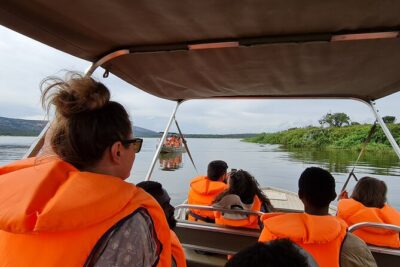
Cool Share Day Akagera Game Drive, Daily Depart, Boat Ride, Lunch
Read our review →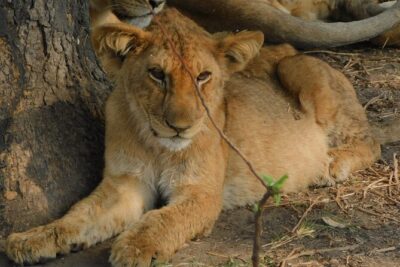
Browse the lists this tour appears in